
What is Civil Engineering? Understanding Civil Engineering: The Backbone of Infrastructure
Explore the fundamental role of civil engineering in shaping modern infrastructure. From ancient civilizations to contemporary practices, this article delves into the diverse disciplines within civil engineering, emphasizing the importance of sustainability and innovative technologies. Discover core areas such as structural, environmental, geotechnical, transportation, and water resources engineering. Understand the critical responsibilities civil engineers undertake, including design, construction management, and the integration of advanced tools like CAD and BIM. Learn about the challenges facing the profession today, including climate change and urbanization, as well as the promising career paths available in this vital field. Join us as we envision the future of civil engineering, highlighting the significance of smart cities and sustainable practices for enhancing our quality of life.
Introduction to Civil Engineering
Civil engineering stands as a pivotal discipline in the realm of engineering, fundamentally shaping the environment we inhabit.
As one of the oldest engineering branches, it has its roots traced back over 5,000 years to ancient civilizations that constructed monumental structures such as the pyramids in Egypt and the aqueducts in Rome.
This field encompasses a diverse array of projects including bridges, roads, buildings, and water treatment plants, all aimed at improving the quality of life and ensuring a functional and sustainable living space.
In contemporary society, civil engineering has evolved to meet the complex demands posed by urbanization, population growth, and environmental sustainability.
The significance of this profession is amplified in the context of rapidly advancing technologies and the pressing need for innovations to address climate change.
Civil engineers today employ various techniques and methodologies to design resilient structures that can withstand both natural disasters and the stresses imposed by daily use.
Moreover, civil engineers play a critical role in sustainable development. They assess the environmental impact of their projects and strive to create solutions that minimize ecological footprints.
Incorporating sustainable practices into civil engineering not only ensures compliance with regulatory measures but also promotes the well-being of current and future generations.
With an expanding focus on sustainable infrastructure, civil engineering is increasingly intertwined with sustainability concepts. This integration is crucial, as it bridges the gap between modern necessities and environmental responsibilities.
As we continue to innovate and develop, the collaboration between civil engineers, architects, and urban planners will be vital to foster communities that are both functional and sustainable.
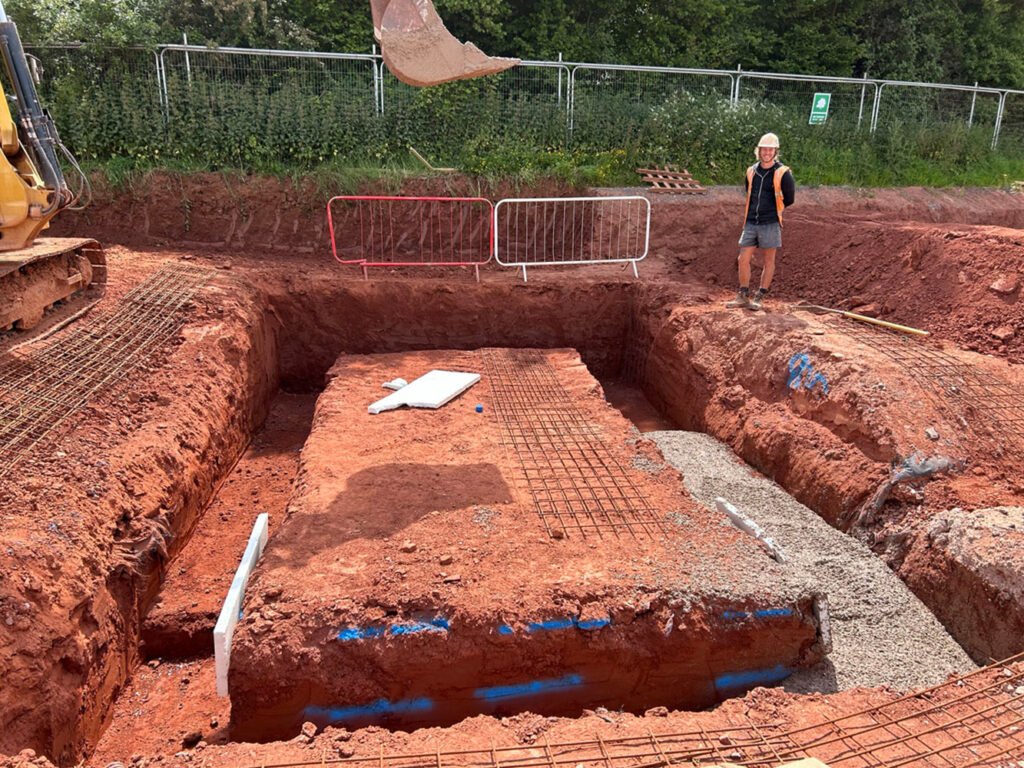
Core Disciplines within Civil Engineering
Civil engineering is a vast field that consists of several core disciplines, each focusing on unique aspects of infrastructure development and public works. Understanding these sub-disciplines is crucial for anyone interested in the field or involved in projects requiring civil engineering expertise.
The first major area is structural engineering, which concentrates on the design and analysis of structures that can withstand various environmental forces. This includes buildings, bridges, and towers. Structural engineers ensure that these structures are not only safe but also functional and economical, often working on projects that can withstand natural disasters, such as earthquakes or hurricanes.
Another significant discipline is environmental engineering. This area is primarily concerned with protecting the environment and public health by addressing issues like pollution control, waste management, and sustainable design. Environmental engineers develop systems for water and air purification, ensure compliance with environmental regulations, and design projects that have minimal environmental impacts.
Geotechnical engineering focuses on the behavior of earth materials and their application in civil engineering projects. Geotechnical engineers analyze soil and rock properties to advise on foundation design and excavation methods, essential for ensuring stability in structures built on varying soil types.
Transportation engineering is another critical discipline that deals with the planning, design, and operation of transportation systems, including roads, train systems, and air travel. Transportation engineers aim to improve accessibility and safety while minimizing traffic congestion and environmental impacts.
Lastly, water resources engineering encompasses the management of water resources for various applications including irrigation, flood control, and water quality management. Engineers in this discipline design systems for water supply, drainage systems, and hydropower projects, playing a vital role in sustaining and managing water resources effectively.
Key Responsibilities of Civil Engineers
Civil engineers play a crucial role in the development and maintenance of infrastructure projects that are essential for societal function. One of their primary responsibilities is to engage in the design of various structures, such as bridges, highways, and buildings. This design phase involves utilizing advanced software tools to create detailed plans and models that comply with safety regulations and client specifications.
Another significant aspect of a civil engineer’s duties includes conducting thorough analysis and feasibility studies. These analyses assess the practical implications of a proposed project, evaluating factors such as environmental impact, cost-effectiveness, and sustainability. Civil engineers employ various methodologies to ensure they meet all legal and regulatory requirements, thereby enhancing the project’s viability.
Construction management is also a vital component of a civil engineer’s responsibilities. During this phase, they oversee the actual implementation of the construction plans, coordinating with contractors, architects, and laborers to ensure that work progresses smoothly and according to design specifications.
Effective project management requires strong leadership and communication skills, as civil engineers must address problems as they arise and maintain schedules and budgets.
Additionally, maintaining existing infrastructure is a key responsibility of civil engineers. This involves regular inspection and assessment of structures such as roads, dams, and buildings to identify necessary repairs or upgrades. Through preventive maintenance strategies, civil engineers prolong the lifespan of these structures while ensuring safety and operational functionality.
Overall, civil engineers possess a unique blend of technical knowledge and practical experience, making them indispensable to contemporary infrastructure development.
The Role of Technology in Civil Engineering
In recent years, the field of civil engineering has witnessed a significant transformation due to advancements in technology. These developments have not only enhanced the precision and efficiency of engineering processes but have also fostered a more seamless communication flow among project stakeholders.
One of the most notable technologies impacting civil engineering is Computer-Aided Design (CAD) software. CAD tools have revolutionized the way engineers create and modify designs by allowing for intricate modeling and visualization that was previously not possible with traditional methods.
This technology facilitates more accurate measurements, reduces human error, and speeds up the design process, making it a valuable asset in contemporary civil engineering.
Another groundbreaking advancement is Building Information Modeling (BIM), which takes CAD a step further by integrating various aspects of a project into a single digital model. BIM encompasses not just the physical and spatial information about a building but also its operational characteristics.
This creates a collaborative environment where architects, engineers, and contractors can share information in real-time, thus improving coordination and minimizing potential conflicts during construction. Furthermore, BIM enables engineers to simulate different scenarios, making it easier to assess project feasibility and optimize resource allocation efficiently.
In addition to CAD and BIM, project management tools have emerged as critical components of successful civil engineering projects. These platforms streamline project timelines, budget tracking, and team collaboration.
By employing such tools, civil engineers can oversee multiple facets of a project concurrently, ensuring that it adheres to schedules and remains within budget constraints. The integration of these technologies not only increases productivity but also enhances the overall quality of the final infrastructure.
The Importance of Sustainability in Civil Engineering
In the realm of civil engineering, sustainability has emerged as a fundamental principle, guiding practitioners to design and construct infrastructure that not only meets modern needs but also preserves the environment for future generations.
The shift towards sustainable civil engineering practices reflects a growing recognition of the intrinsic relationship between human activity and ecological health. Developing structures that emphasize sustainable materials, energy-efficient designs, and the reduction of urban footprints is essential for achieving long-term viability.
Sustainable civil engineering often involves the use of green materials, which can significantly decrease the carbon footprint associated with construction. For instance, recycled concrete and reclaimed wood can replace traditional building materials, minimizing waste and conserving natural resources.
Moreover, the implementation of energy-efficient designs enables structures to consume less energy during their operational phase, thereby reducing greenhouse gas emissions. Strategies such as optimizing building orientation, utilizing natural light, and incorporating renewable energy sources contribute greatly to the sustainability of civil infrastructures.
Additionally, the necessity of reducing urban footprints cannot be overstated in sustainable civil engineering. Urban development historically contributes to habitat destruction, increased pollution, and inefficient land use.
By promoting smart growth strategies, civil engineers can create cities that are more compact, interconnected, and conducive to public transportation. This approach not only enhances the effectiveness of land use but also fosters healthier communities. Furthermore, integrating green spaces into urban environments can help mitigate the heat island effect, improve air quality, and enhance overall quality of life for residents.
As societal demands evolve and environmental challenges intensify, the role of sustainability in civil engineering will become increasingly critical. The continuous pursuit of innovative, eco-friendly practices will empower engineers to balance infrastructural development with the stewardship of our planet’s resources. Engaging in this paradigm shift towards sustainable civil engineering is essential for creating resilient futures.
Civil Engineering Projects: Case Studies
Civil engineering has been the driving force behind some of the most remarkable infrastructure projects across the globe. This section highlights notable case studies that illustrate the scope, innovative solutions, challenges faced, and the broader impacts of these projects on communities and the environment.
One exemplary project is the Millau Viaduct in France, which stands as the tallest bridge in the world. Completed in 2004, the viaduct spans the Tarn River valley and stretches a length of 2,460 meters. The engineering feats involved in its design include the use of reinforced concrete and wind-resistant structural elements. This bridge not only facilitates transport but has also become an iconic symbol of engineering excellence, enhancing local tourism and significantly reducing travel times.
Another notable case is the Boston Big Dig, a monumental urban project that involved rerouting the Central Artery of Interstate 93 underground. Undertaken in the 1990s, the project faced various challenges, including budget overruns and unforeseen geological conditions. Despite these issues, the Big Dig transformed Boston’s urban landscape, leading to improved traffic flow, enhanced public spaces, and increased property values in surrounding neighborhoods.
In the realm of sustainable practices, the Helsinki Central Library Oodi in Finland is a remarkable example. Opened in 2018, it showcases innovative architectural designs with a focus on sustainability. The library uses energy-efficient systems and incorporates green roofs, serving as a community hub that promotes accessibility and environmental responsibility. Oodi exemplifies how civil engineering projects can cater to the needs of their communities while being mindful of ecological impacts.
These case studies underscore the critical role of civil engineering in shaping modern infrastructure. By addressing complex challenges and implementing cutting-edge innovations, civil engineers contribute not only to the functionality of society but also to the enhancement of community well-being and environmental stewardship.
Challenges Facing Civil Engineers Today
The field of civil engineering plays a crucial role in shaping the infrastructure of modern society; however, it is currently faced with numerous challenges that affect how projects are planned and executed.
One primary challenge is climate change, which has been impacting weather patterns and increasing the frequency of extreme weather events. These changes necessitate that civil engineers design structures that are not only resilient but also adaptable to fluctuating climatic conditions. This often requires new materials and innovative design methodologies that can withstand such unpredictability.
Another significant challenge is the issue of budget constraints. In an era of tightening financial resources, civil engineers must often work within limited budgets, leading to compromises in design and project execution.
This limitation can hinder the implementation of advanced technologies or high-quality materials that may enhance the longevity and sustainability of infrastructure projects. Striking a balance between cost-effectiveness and the need for durable infrastructure is increasingly complex.
Urbanization poses yet another challenge for civil engineers. As urban areas continue to grow and expand, the pressure on infrastructure systems increases correspondingly. This rapid urban growth requires efficient planning and the smart integration of new structures within existing systems, often in congested urban environments where space is at a premium.
Engineers must find ways to incorporate eco-friendly practices while also addressing the pressing needs of transportation, housing, and public utilities within these urban spaces.
Furthermore, in many regions, aging infrastructure is a critical concern. Many existing structures, built decades ago, are not equipped to handle current demands or comply with modern safety standards. Maintaining, upgrading, or replacing these aging systems presents an additional layer of complexity for civil engineers, requiring consideration of both technical solutions and economic implications. Each of these challenges underscores the vital role civil engineers play in creating sustainable, resilient infrastructure for future generations.
Career Paths in Civil Engineering
Civil engineering is a diverse and expansive field that encompasses various specializations, offering numerous career paths for individuals passionate about infrastructure and construction.
The most common educational requirement for most civil engineering roles is a bachelor’s degree in civil engineering or a related discipline. Advanced positions may require a master’s degree or specialized certifications to stay competitive in the job market.
Graduates can pursue careers in several areas, including structural engineering, environmental engineering, geotechnical engineering, transportation engineering, and water resources engineering, among others.
Structural engineers focus on designing and overseeing the construction of buildings and bridges, while environmental engineers work on projects aimed at improving environmental sustainability and compliance with regulations. Each specialization has unique requirements and workplace settings ranging from design firms and construction companies to government agencies.
Employment opportunities in civil engineering extend beyond traditional Civil Engineering firms. Emerging roles are arising from advancements in technology, notably in areas such as smart city development and sustainable design. Civil engineers are increasingly working alongside technology professionals to implement innovative solutions such as Building Information Modeling (BIM) and Geographic Information Systems (GIS), which enhance project planning and efficiency.
As civil engineers gain experience, they often find opportunities to move into management positions or specialized consultancy roles. Pursuing licensure as a Professional Engineer (PE) can further enhance career prospects, as it signifies expertise and credibility in the field. Additionally, the ongoing demand for infrastructure improvements continues to provide a robust job outlook for aspiring civil engineers, making it a promising career choice for individuals interested in making a significant impact on society.
Conclusion and Future of Civil Engineering
In reflecting on the fundamental role of civil engineering in shaping the infrastructure that supports modern society, it is evident that this discipline remains not only relevant but also vital for future developments. Civil engineers are at the forefront of designing and constructing the systems that facilitate transportation, water management, and energy distribution, among other essential services.
The future of civil engineering is being influenced significantly by emerging trends such as the rise of smart cities.
As urban populations continue to grow, the integration of technology into infrastructure is becoming crucial. Smart cities leverage data and advanced technologies to enhance quality of life, optimize resource management, and improve public services. Civil engineers are expected to play a pivotal role in implementing these technologies, ensuring that urban environments become more efficient, sustainable, and livable.
Sustainability is another key focus area within civil engineering as the world increasingly prioritizes environmental preservation. The adoption of sustainable practices in construction, such as the use of eco-friendly materials and energy-efficient designs, will be essential in addressing climate change and reducing carbon footprints. Innovations in building practices and infrastructure development will help create a more sustainable built environment, meeting the needs of the present without compromising future generations.
Moreover, globalization is transforming civil engineering projects, as engineering firms increasingly collaborate across borders to tackle complex challenges. The sharing of knowledge, expertise, and resources fosters innovation and accelerates progress in developing robust infrastructure systems worldwide. Consequently, the engineering community is poised to enhance its ability to respond to global issues through multi-disciplinary approaches and international partnerships.
In conclusion, civil engineering is not only a crucial component of modern infrastructure but is also evolving to address future challenges. The ongoing developments in smart technology, sustainable practices, and globalization present new opportunities for civil engineers to innovate and lead in building infrastructure that is resilient, efficient, and environmentally responsible.

What Are Section 278/104 Agreements?
Section 278 and Section 104 agreements are pivotal in UK infrastructure development, allowing developers to make necessary alterations to highways and drainage systems in compliance with local authority regulations.

What is the CDM 2015 Regulation?
The Construction (Design and Management) Regulations 2015 (CDM 2015) represent a pivotal development in the management of health and safety within the UK construction industry. Designed to enhance the safety standards and communication
What are permanent vs. temporary works?
This comprehensive overview of construction works explores both permanent and temporary structures, essential for infrastructure development and urban planning. Permanent works, which include buildings and bridges, are designed for longevity and stability
What is Civil Engineering?
Explore the fundamental role of civil engineering in shaping modern infrastructure. From ancient civilizations to contemporary practices, this article delves into the diverse disciplines within civil engineering, emphasizing the importance of sustainability and innovative technologies.
Civil Engineer In Construction
This comprehensive guide to civil engineering explores its significance in shaping infrastructure and environment, covering key responsibilities, educational qualifications, and the vital role of project management.
Civil Engineer Differ From An Architect?
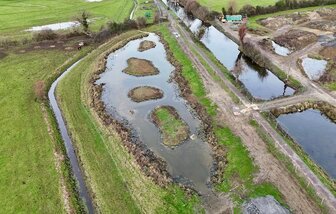
Explore the pivotal roles of civil engineers and architects in the construction industry. This comprehensive article delves into their distinct responsibilities, educational pathways, and collaborative efforts.
Construction Civil Engineering
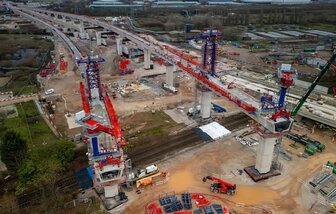
Discover the pivotal role of civil engineering in shaping our infrastructure and society. This comprehensive guide covers the essential facets of construction civil engineering, including its branches, key responsibilities
Civil Engineering Firms
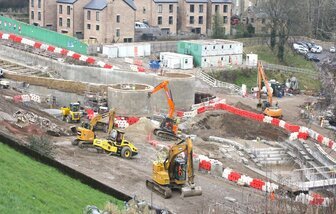
Complete Group is one of the leading civil engineering firms established in the early 1990s in the UK, specializing in innovative and sustainable construction practices. The company offers a wide range of services including design, construction
Ready to start your Project?
Let's Build Together
At Complete Contracting Group, we are committed to understanding your project needs, whether they are small-scale or large-scale developments. To commence your journey with us, simply complete the form provided below. This form allows us to gather essential details about your project, enabling our team to review your requirements thoroughly.
If you prefer a more direct approach, feel free to send your project documents and relevant photographs to projects@completeuk.uk Our team will carefully examine your materials and provide you with a competitive quote, along with an estimated timescale covering the entire project from inception to completion. We look forward to collaborating with you and bringing your project dreams to fruition!