
What Are Section 278/104 Agreements?
Section 278 and Section 104 agreements are pivotal in UK infrastructure development, allowing developers to make necessary alterations to highways and drainage systems in compliance with local authority regulations. Section 278 agreements focus on road modifications while ensuring that developers meet specific design and safety standards for public highways. Meanwhile, Section 104 agreements govern the adoption of drainage systems by utility providers, outlining responsibilities for construction and maintenance to mitigate flooding risks. Understanding these agreements is essential for developers and contractors to navigate regulatory requirements, foster collaboration with local authorities, and achieve successful project outcomes. By adhering to these agreements, projects can integrate seamlessly into existing infrastructure, ensuring public safety and environmental sustainability.
Understanding Section 278/104 Agreements in Highway and Drainage Modifications
Section 278 and Section 104 agreements are key legal instruments in the United Kingdom, specifically designed to manage and facilitate the development of highway and drainage infrastructure modifications.
These agreements are essential tools that enable developers to carry out necessary work on public highways while ensuring compliance with local authority regulations and standards.
The purpose of a Section 278 agreement is to allow developers to implement specific alterations or enhancements to existing roads or highways.
This might include the construction of new access points, the installation of traffic signals, or alterations to road layouts. Such agreements are integral in coordinating efforts between developers and local authorities, providing a structured framework that governs the responsibilities of each party involved.
Through these agreements, developers ensure that their modifications align with the broader objectives of the local transportation network.
On the other hand, Section 104 agreements focus on drainage systems associated with development projects. These agreements facilitate the adoption of surface water drainage systems managed by utility companies or local authorities.
This process is crucial as it ensures that drainage solutions are appropriately designed, constructed, and maintained, effectively mitigating flood risks and environmental impacts.
Section 104 agreements specify the technical standards required for drainage systems and outline the conditions under which they will be adopted by relevant authorities.
The significance of both Section 278 and Section 104 agreements lies in their role in promoting collaboration between developers, local authorities, and utility companies.
By clearly defining roles, responsibilities, and expectations, these agreements play a pivotal role in ensuring that housing and commercial developments are integrated seamlessly into existing infrastructure while adhering to safety and quality standards.
The Role of Section 278 Agreements
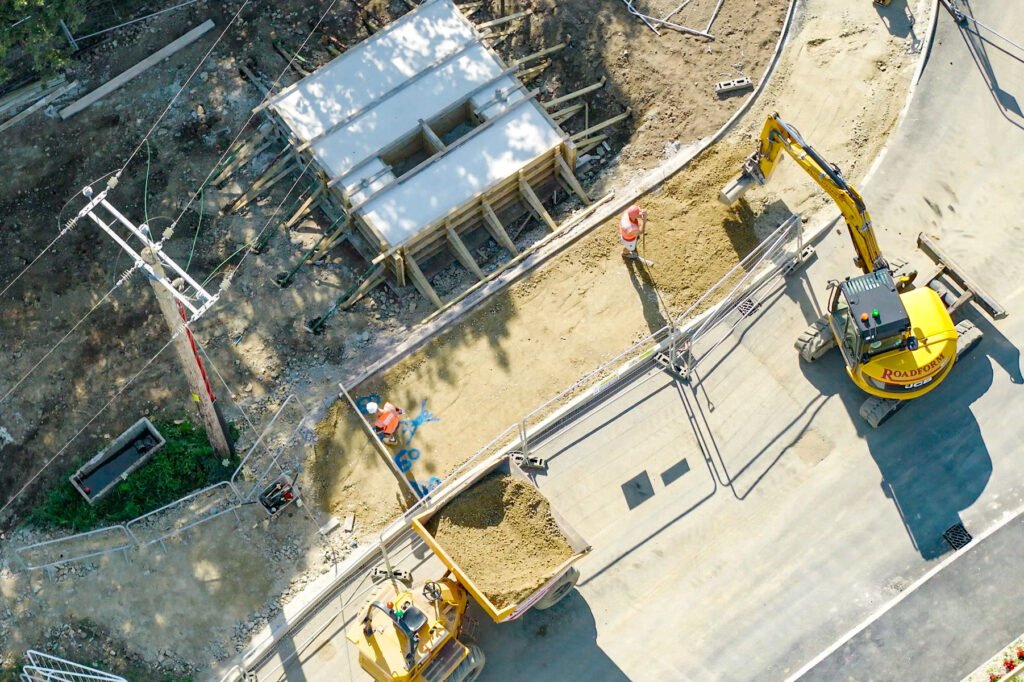
Section 278 agreements are crucial legal instruments used in the United Kingdom to facilitate modifications to highways and drainage systems in conjunction with development projects. They primarily emerge from the Highways Act of 1980, providing local authorities with a framework to manage external work on public highways while ensuring safety and efficiency for motorists and pedestrians alike.
One of the primary functions of a Section 278 agreement is to outline the responsibilities of developers seeking to make alterations to existing roads or to construct new access points.
These agreements necessitate that the developer bears the financial burden for the construction and any necessary alterations. Moreover, they commonly impose specific conditions regarding the design and method of execution, which must conform to the standards set by the local highway authority.
The process of obtaining a Section 278 agreement typically begins with pre-application discussions between the developer and the local authority. This initial phase allows parties to outline potential modifications and identify any concerns regarding highway safety and capacity.
Following this, a formal application is submitted, which includes detailed plans demonstrating compliance with local regulations and guidance. Once the proposal is reviewed and any revisions made, the local authority will progress to negotiations, resulting in the final agreement that all stakeholders must adhere to.
Examples of projects that might necessitate a Section 278 agreement include residential estates, commercial developments, and road infrastructure projects—such as new junctions or road widening initiatives.
These agreements not only streamline the approval process but also ensure that all parties’ responsibilities are clearly defined, thereby minimizing the potential for disputes during the execution of highway modifications.
Understanding Section 104 Agreements
Section 104 agreements serve a crucial role in the development and management of drainage systems, particularly concerning the adoption of drainage assets by utility companies.
These agreements facilitate the procedural framework required for developers or contractors to ensure that their drainage works comply with the regulations set forth by the relevant authorities. A Section 104 agreement essentially establishes the terms and conditions under which the utility provider will adopt and maintain the drainage infrastructure once it is constructed.
The primary purpose of a Section 104 agreement is to create a formal understanding between the developer and the water utility, paving the way for the adoption of new drainage systems upon their completion.
This agreement details the specifications for design, construction standards, and the requisite materials to be used in the drainage scheme, ensuring that the infrastructure meets the utility’s operational and maintenance criteria. Developers must be meticulous in adhering to these standards, as any deviation could delay the adoption process or result in additional costs to rectify deficiencies.
Property developers should also be aware of the procedural steps involved in obtaining a Section 104 agreement. Initially, an application must be submitted to the relevant utility company, accompanied by comprehensive drawings and other supporting documentation.
Upon acceptance of these proposals, the utility company will review the documentation to ensure compliance with their requirements. An agreement will then be drafted, clearly outlining responsibilities for both parties. Key considerations during this process include understanding the timelines for submission and approval, the implications of construction delays, and the eventual liability for maintenance following adoption.
Key Differences Between Section 278 and Section 104 Agreements
The landscape of highway and drainage modifications in the UK often involves two distinct types of agreements: Section 278 and Section 104 agreements. Although both are crucial for infrastructure development, they serve different purposes and operate under varying regulatory frameworks.
Section 278 agreements are primarily focused on the improvement of highways that are not yet classified as public roads. This means that a developer can make alterations to highway structures, such as roads and footpaths, with the agreement of the highway authority. The key parties involved in a Section 278 agreement typically include the local highway authority and the developer.
The works covered may include creating new access points, altering existing highways, or implementing traffic management measures. The purpose of this agreement is to ensure that any alterations are carried out to the required standards while protecting the interests of the public highway network.
Conversely, Section 104 agreements are more concerned with the adoption of sewer systems and drainage works. This type of agreement is specifically designed to cover drainage systems that developers intend to build and wants to be adopted by the local water authority. In a Section 104 agreement, the involved parties generally include the developer, the relevant water authority, and sometimes the local planning authority.
The emphasis here is on ensuring that drainage systems are constructed in accordance with specific regulatory standards to prevent flooding or environmental issues.
In summary, the key differences between Section 278 and Section 104 agreements arise from their distinct objectives, the nature of the works they regulate, and the parties that participate in these agreements. Understanding these differences is essential for developers looking to navigate the complexities of infrastructure development effectively.
When Are Section 278 or Section 104 Agreements Required?
Section 278 and Section 104 agreements serve critical roles in regulating modifications related to highways and drainage systems. Understanding when each of these agreements is necessary can significantly streamline the development process, ensuring compliance with local authority requirements and promoting public safety.
Section 278 agreements are typically required when a developer proposes alterations to existing roads or seeks to create new access points from the public highway. Common scenarios necessitating this type of agreement include residential, commercial, or industrial developments that access or impact the highway network.
For instance, if a new housing estate is to be built requiring new access roads or modifications to footpaths and crossings, a Section 278 agreement would be required. Furthermore, such agreements may involve local authorities to ensure that the development aligns with transportation strategies and safety regulations.
Conversely, Section 104 agreements pertain specifically to the adoption of drainage systems, particularly in new developments. These agreements are mandatory when developers plan to create or modify drainage infrastructure, ensuring that systems comply with local authority standards.
This requirement typically arises in scenarios involving substantial developments, including large housing projects or commercial sites, where adequate drainage management is critical to prevent flooding and maintain water quality. Local authorities often evaluate the proposed drainage solutions to ensure they meet statutory requirements before granting a Section 104 agreement.
The necessity for either type of agreement can vary based on the scope of the project, its location, and the specific requirements of the local authority. Projects in sensitive areas or those that significantly impact existing infrastructure may face stricter regulations, further emphasizing the importance of engaging with local authorities early in the planning stage.
Thus, understanding when these agreements are needed is essential for successful project completion and adherence to legal stipulations.
The Application Process for Section 278 and Section 104 Agreements
The application processes for Section 278 and Section 104 agreements are crucial components in managing highway and drainage modifications in the United Kingdom. Understanding these processes allows developers to navigate the regulatory landscape effectively.
For Section 278 agreements, which pertain to alterations to existing public highways, the initial step involves engaging with the local highway authority. Developers must prepare and submit a formal application, accompanied by essential documentation such as detailed site plans, designs of proposed modifications, and relevant technical reports.
Upon submission, the highway authority will assess the application to ensure compliance with legislative requirements and local policies. Typically, this initial assessment phase can take several weeks, but the precise timeline may vary based on the complexity of the proposals. Developers should anticipate a potential review period lasting from four to eight weeks. During this time, constructive feedback may be provided, and developers may need to make necessary revisions before obtaining approval.
Similarly, the Section 104 agreement process, which deals with the adoption of drainage systems, requires developers to submit a separate application to the relevant sewerage authority. Documentation needed usually includes drainage design plans, hydraulic calculations, and proposals for maintenance arrangements. The sewerage authority will also have a designated timeline—often within eight weeks—for reviewing the application.
One of the common challenges developers face during both processes is aligning the needs and requirements of different stakeholders, including local councils, utility providers, and community members. The necessity for revisions based on stakeholder feedback can extend timelines significantly. Furthermore, effective communication and thorough documentation remain essential throughout the application processes, serving as the foundation for addressing queries and resolving potential issues for successful approval.
Implications of Non-Compliance with Section 278/104 Agreements
Section 278 and Section 104 agreements play a crucial role in the development and modification of highways and drainage systems, as they outline the responsibilities and standards that developers and contractors must adhere to.
Failing to comply with the terms set forth in these agreements can lead to significant legal and financial repercussions. Developers and contractors may face substantial penalties if they do not meet the obligations outlined in the agreements, which could include fines, loss of deposits, or the requirement to redo completed work to meet the specified standards.
Moreover, non-compliance can severely impact project timelines and budgets. This is primarily because breaches can trigger delays in project approvals, resulting in extended timelines and increased costs. When a developer fails to adhere to the agreed-upon specifications, local authorities may impose restrictions or halt progress on the project until compliance is achieved. Such delays can severely affect not only the developer’s credibility but also the overall planning and allocation of resources for future projects.
In addition to financial penalties, legal actions can also arise as a consequence of non-compliance with Section 278 or Section 104 agreements. Stakeholders might seek compensation for damages incurred due to failures in meeting legal obligations, which could lead to lengthy litigation processes, further compounding the financial burden on the developer or contractor.
Ultimately, the implications of failing to comply with Section 278 or Section 104 agreements can be profound, affecting timelines, finances, and reputations. Understanding these risks underscores the importance of diligent adherence to these agreements by all parties involved in highway and drainage projects.
Practical Tips for Navigating Section 278/104 Agreements
Navigating Section 278 and Section 104 agreements can be a complex process for developers and contractors, but with strategic planning and effective communication, it can be managed efficiently.
One of the first steps is to thoroughly understand the respective regulations and requirements of both agreements. Section 278 deals specifically with highway modifications while Section 104 pertains to drainage adoption, and each has its unique set of stipulations that must be adhered to.
Engaging with local authorities early in the project is crucial. Schedule preliminary meetings to clarify expectations, timelines, and any potential challenges. Developing a clear channel of communication with the council can facilitate better outcomes and help address any issues promptly.
Regular updates and open communication with both local authorities and relevant stakeholders will ensure that everyone is aligned with the project progress and any changes that may arise.
Another best practice is to involve a qualified consultant who specializes in highways and drainage agreements. Their expertise can prove invaluable in drafting documents, understanding the legal implications, and ensuring compliance with local regulations. A well-prepared agreement can help prevent delays caused by misunderstandings or incomplete documentation.
Additionally, consider the ecological impact of your development. Compliance with environmental regulations is essential, and demonstrating awareness of environmental considerations can enhance community relations and smoothen the approval process. Gathering public support through informing local residents about the benefits of your project can also pave the way for easier negotiations.
Lastly, anticipate potential objections or concerns from stakeholders and prepare to address them effectively. Being proactive in your engagement strategy by presenting clear, factual information can help alleviate fears and promote understanding. By applying these best practices, developers and contractors will significantly improve their chances of success when securing Section 278 and Section 104 agreements.
Conclusion: The Importance of Section 278/104 Agreements in Development Projects
Section 278 and Section 104 agreements play a critical role in the realm of development projects, specifically concerning highway and drainage modifications. The integration of these agreements is essential for facilitating improvements that cater to the public’s needs while ensuring compliance with applicable regulations.
Through Section 278 agreements, developers are required to contribute to the enhancement of highways that are either adopted by the local authority or maintained by public funds. This process not only addresses the immediate requirements associated with traffic management but also promotes long-term sustainability of the infrastructure.
On the other hand, Section 104 agreements focus on sewer connections and the adoption of drainage systems by water companies, thereby ensuring proper waste management and environmental protection. Such agreements establish a clear framework between the developers and utility providers, fostering collaboration that ultimately leads to efficient project execution. Hence, these agreements are pivotal in ensuring that developments harmoniously integrate with existing infrastructure.
Moreover, the implementation of Section 278 and Section 104 agreements encourages a cooperative approach among various stakeholders—including local authorities, developers, and utility companies. This collaborative effort is indispensable for navigating the complexities associated with planning and executing infrastructure projects. By prioritizing these agreements, developers can avoid potential pitfalls and delays, streamlining the overall process to achieve timely completion.
In conclusion, understanding the nuances of Section 278 and Section 104 agreements is essential for all parties involved in development projects. Their significance extends beyond individual developments, contributing to the efficient functioning of urban environments. By fostering collaboration and providing a structured methodology for addressing infrastructure needs, these agreements are vital in shaping successful and sustainable development outcomes.

What Are Section 278/104 Agreements?
Section 278 and Section 104 agreements are pivotal in UK infrastructure development, allowing developers to make necessary alterations to highways and drainage systems in compliance with local authority regulations.
What is the CDM 2015 Regulation?
The Construction (Design and Management) Regulations 2015 (CDM 2015) represent a pivotal development in the management of health and safety within the UK construction industry. Designed to enhance the safety standards and communication
What are permanent vs. temporary works?
This comprehensive overview of construction works explores both permanent and temporary structures, essential for infrastructure development and urban planning. Permanent works, which include buildings and bridges, are designed for longevity and stability
What is Civil Engineering?
Explore the fundamental role of civil engineering in shaping modern infrastructure. From ancient civilizations to contemporary practices, this article delves into the diverse disciplines within civil engineering, emphasizing the importance of sustainability and innovative technologies.
Civil Engineer In Construction
This comprehensive guide to civil engineering explores its significance in shaping infrastructure and environment, covering key responsibilities, educational qualifications, and the vital role of project management.
Civil Engineer Differ From An Architect?
Explore the pivotal roles of civil engineers and architects in the construction industry. This comprehensive article delves into their distinct responsibilities, educational pathways, and collaborative efforts.

Construction Civil Engineering
Discover the pivotal role of civil engineering in shaping our infrastructure and society. This comprehensive guide covers the essential facets of construction civil engineering, including its branches, key responsibilities
Civil Engineering Firms
Complete Group is one of the leading civil engineering firms established in the early 1990s in the UK, specializing in innovative and sustainable construction practices. The company offers a wide range of services including design, construction
Ready to start your Project?
Let's Build Together
At Complete Contracting Group, we are committed to understanding your project needs, whether they are small-scale or large-scale developments. To commence your journey with us, simply complete the form provided below. This form allows us to gather essential details about your project, enabling our team to review your requirements thoroughly.
If you prefer a more direct approach, feel free to send your project documents and relevant photographs to projects@completeuk.uk Our team will carefully examine your materials and provide you with a competitive quote, along with an estimated timescale covering the entire project from inception to completion. We look forward to collaborating with you and bringing your project dreams to fruition!