
What are permanent vs. temporary works?
This comprehensive overview of construction works explores both permanent and temporary structures, essential for infrastructure development and urban planning. Permanent works, which include buildings and bridges, are designed for longevity and stability, adhering to rigorous safety standards. In contrast, temporary works like scaffolding and shoring provide critical support during the construction process, ensuring safety and efficiency. Understanding the distinctions and interdependence of these construction types is crucial for industry professionals, as it influences project management, resource allocation, and regulatory compliance. Additionally, this article delves into the challenges, best practices, and innovations driving change in the construction sector, emphasizing the importance of safety protocols and sustainable practices. Equip yourself with the knowledge necessary to navigate the complexities of construction projects effectively.
Understanding Permanent vs. Temporary Works in Construction
Construction works are an essential component of infrastructure development and urban planning, encompassing a broad range of activities aimed at creating, altering, or repairing structures.
These activities can be categorized into two main types: permanent works and temporary works. Understanding the distinctions between these two categories is crucial for professionals and stakeholders involved in construction projects.
Permanently constructed elements, such as buildings, bridges, and tunnels, are designed to endure over time, providing long-lasting utility and stability.
They are typically subject to rigorous standards and regulations, reflecting their enduring nature and the significant investment associated with their construction. In contrast, temporary works, which may include scaffolding, shoring, and construction site facilities, are intended for short-term use during the construction process.
The main purpose of temporary works is to provide safety, support, and accessibility during the construction phases, after which they are dismantled or removed.
The differentiation between permanent and temporary works is pivotal not only for meeting legal and safety standards but also for optimizing resource allocation and project management.
Each type reflects distinct considerations related to design, engineering, labor, and materials.
For instance, while permanent works require comprehensive planning and engineering assessments to ensure structural integrity, temporary works may emphasize flexibility and adaptability to accommodate the dynamic needs of a construction site.
In the following sections, we will delve deeper into the implications of both permanent and temporary works within the construction industry, exploring their unique characteristics, challenges, and best practices.
This foundational understanding will equip readers with the necessary insights to navigate the complexities of construction projects effectively.
Defining Permanent Works
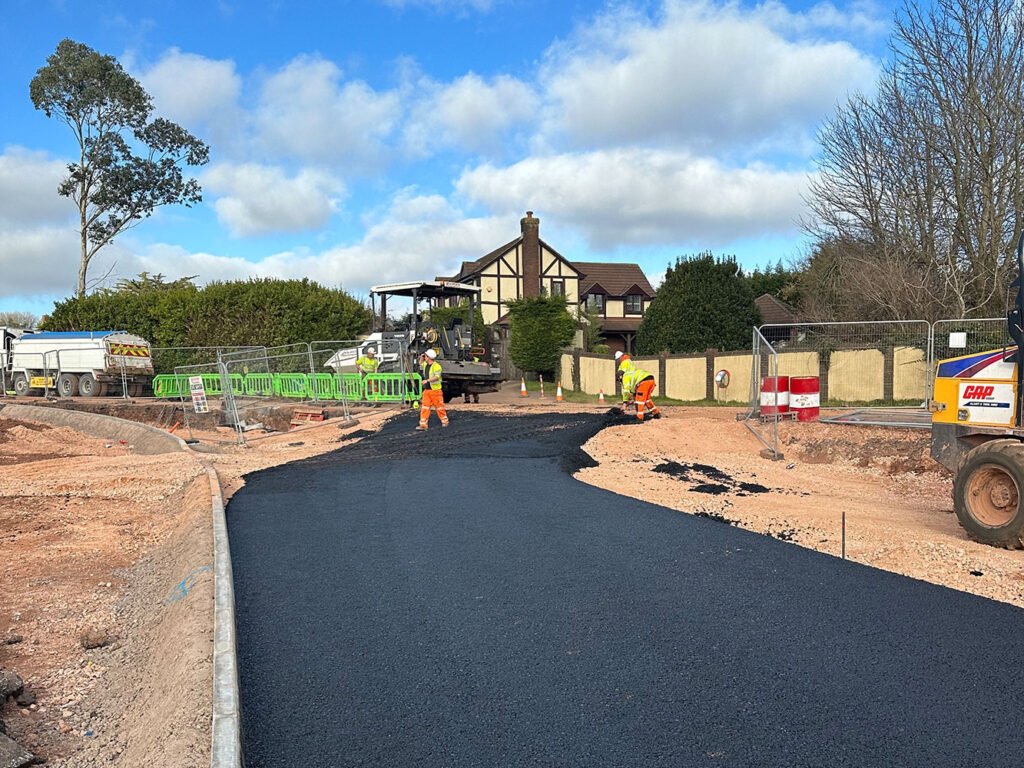
Permanent works in construction refer to structures that are designed to last and fulfill their intended purpose over an extended period. These works are integral components of the built environment, contributing to the functionality, safety, and aesthetic appeal of urban and rural areas. Common examples of permanent works include buildings, bridges, roadways, dams, and other infrastructures that form the backbone of community development.
Characteristics of permanent works often include durability, stability, and safety. These attributes ensure that the structures can withstand various environmental factors, including weather events and natural disasters.
For instance, buildings constructed with high-quality materials and adherence to relevant building codes exhibit resilience, minimizing the risk of collapse or significant damage. Bridges, designed with robust engineering principles, enhance transportation efficiency while promoting connectivity between communities.
Additionally, permanent works serve essential functions for society. They establish spaces for residential living, commercial activities, education, and recreation, shaping the social and economic landscape of an area. Infrastructure projects such as roads and public transport systems significantly contribute to accessibility, facilitating movement and interaction within communities.
Thus, the role of permanent works extends beyond mere construction; they are fundamental in enabling economic growth and improving the quality of life for inhabitants.
In summary, permanent works represent a vital aspect of construction that encompasses various structures designed for longevity and functionality. Their contribution to community development and infrastructure underscores their importance, sustaining both human activity and environmental needs for generations to come.
Defining Temporary Works
In the realm of construction, temporary works are critical components that support the building process. Temporary works refer to structures that are erected and used for a limited time duration during the construction of a project. These structures are designed specifically for short-term use and are taken down or removed once the main construction has reached a stage where they are no longer necessary.
Examples of temporary works include scaffolding, shoring, formwork, and falsework, each serving a distinct purpose in the construction process.
Scaffolding, for instance, provides a safe and stable platform for workers to perform tasks at elevated heights. It allows for easy access to different parts of a building under construction, ensuring that workers can complete their jobs efficiently and safely.
Shoring, on the other hand, is employed to support existing structures or elements that could become unstable during the construction of adjacent or above structures. This is especially crucial in situations where alterations to a building are taking place.
Falsework refers to a temporary framework that supports a permanent structure until it is self-supporting. In bridge construction, for example, falsework helps to hold the concrete in place while it cures, preventing any potential sagging or deformation. Temporary works are essential not just for safety and functionality, but they also play a pivotal role in optimizing construction schedules and resource allocation.
The temporary nature of these works signifies that they are designed to be dismantled once their purpose is fulfilled. By facilitating various construction activities, temporary works ensure the integrity and success of permanent structures. In essence, the effective implementation of temporary works is vital for achieving overall project objectives, allowing construction teams to navigate challenges that arise during the building phase.
The Importance of Temporary Works in Construction
Temporary works are a fundamental component of the construction process, serving critical roles that significantly impact the overall success of construction projects. These works include structures such as scaffolding, shoring, falsework, and formwork, which aid in various construction phases.
Their foremost function is to ensure safety during project execution, as they provide essential support for both workers and materials. Without robust temporary works, the risk of accidents increases, jeopardizing not only the personnel on-site but also the public around the construction area.
Moreover, temporary works enhance efficiency by allowing construction teams to perform tasks systematically and securely. For instance, scaffolding permits workers to reach elevated areas easily, leading to more effective completion of tasks without delay. This efficiency extends to enabling the execution of complex procedures that require specific conditions supported by temporary structures.
By facilitating a well-organized work environment, temporary works promote better time management and resource allocation, ultimately driving the project towards timely completion.
Basic hazards associated with temporary works include structural failures and inadequate support systems, which can lead to severe repercussions. Therefore, comprehensive planning and execution are paramount.
Engineers must conduct thorough assessments to determine the appropriate methods of construction, taking into consideration load requirements and environmental factors. Implementing rigorous safety protocols ensures that temporary structures remain stable and efficient throughout the project’s duration. Additionally, regular inspections and maintenance of these structures can help identify potential issues early, mitigating risks that could affect both the workforce and the duration of the project.
In conclusion, temporary works are essential for achieving safety and efficiency in the construction process. Their significance cannot be overstated, as they facilitate the successful execution of permanent structures while addressing inherent risks through careful planning and management.
Comparative Analysis of Permanent vs. Temporary Works
In the realm of construction, a crucial distinction exists between permanent and temporary works, each serving unique functions that contribute to the overall success of a project. First and foremost, permanent works are designed for longevity, intended to remain in place after project completion.
They include structures such as buildings, bridges, and roads, characterized by materials such as concrete and steel, which are selected for their durability and capacity to withstand various environmental factors. The design of permanent works requires meticulous planning and adherence to local building codes and regulations, reflecting a commitment to safety and structural integrity.
In contrast, temporary works are essential supports, scaffolding, or facilities that facilitate construction activities but are not intended to remain post-construction. These structures, which often utilize lighter materials such as plywood and metal scaffolding, have shorter design lifespans. They are fundamental during various phases of construction, ensuring that permanent works are executed safely and efficiently. The design of temporary works is often more flexible, adapting to the changing needs of the construction process.
Cost implications also differentiate permanent and temporary works. Generally, permanent structures require a more substantial initial investment due to higher-quality materials and labor costs. However, their durability fosters long-term financial efficiency through reduced maintenance expenses over their service life. Conversely, temporary works usually incur lower upfront costs, but they are considered a recurring expense as they may need to be replaced or repaired frequently throughout the project lifecycle.
Duration and usage further separate these types of works. Permanent structures are built for enduring use, often integrating energy-efficient and sustainable design principles. Temporary works, on the other hand, are tailored for short-term utility, facilitating the project’s advancement while eventually being dismantled and removed. Understanding these differences illustrates how both permanent and temporary works are interdependent in the construction field, each fulfilling specific roles that enhance project efficacy.
Regulatory Considerations and Standards
The construction industry is extensively governed by a framework of legal and regulatory standards that ensure the safety, quality, and integrity of both permanent and temporary works.
These standards are crucial as they dictate the design parameters, safety protocols, and inspection processes needed to deliver safe and reliable structures.
Permanent works, designed to stand the test of time, typically must comply with stringent codes and regulations aimed at ensuring structural integrity and public safety. These regulations often encompass detailed guidelines issued by national and local authorities which may cover various aspects such as material specifications, load requirements, and site conditions.
The American Institute of Steel Construction (AISC) and the American Concrete Institute (ACI) are examples of organizations that provide valuable standards applicable in the U.S., influencing the design and construction of permanent structures.
Conversely, temporary works, which are often implemented for a limited duration during the construction phase, also have their own set of regulations. The standards governing temporary works focus on ensuring the safety of temporary structures such as scaffolding, formwork, and shoring systems during their use. Compliance with established guidelines, such as those from the Occupational Safety and Health Administration (OSHA), is essential to mitigate risks associated with temporary structures, safeguarding workers and the surrounding environment.
Aside from safety, regulatory considerations also influence the inspection processes for both types of works. Rigorously following inspection protocols is necessary to confirm that both permanent and temporary constructions adhere to the established standards. Failure to comply with these regulations can result in costly delays, legal repercussions, and safety hazards.
Therefore, understanding the legal responsibilities and ensuring adherence to relevant standards is critical for all stakeholders in the construction process, reinforcing the importance of compliance from initial design through to final inspection.
Challenges and Risks Associated with Temporary Works
Temporary works play a crucial role in the construction process, yet they come with their own set of challenges and risks that can significantly impact the overall success of a project.
One of the primary concerns is structural reliability during the construction phase. As temporary structures are often implemented to support ongoing work, any deficiencies in design or material can lead to serious structural failures. These failures not only compromise the integrity of the temporary works but can also jeopardize the safety of workers involved, leading to potentially catastrophic accidents.
Accidents in the construction sector are a significant concern, often arising from inadequate safety measures or unforeseen environmental factors. Temporary works such as scaffolding, formwork, and shoring, if not properly designed or erected, can result in falls, collapses, or even entrapment of workers.
To mitigate these risks, it is imperative that thorough risk assessments are conducted before the commencement of temporary work. Ensuring that workers are adequately trained in handling and managing temporary structures is also vital for reducing the likelihood of accidents.
Furthermore, another challenge lies in the management issues that can arise in the handling of temporary works. Effective coordination among team members is essential, as miscommunication can lead to unclear responsibilities, increasing the risk of project delays and cost overruns. Implementing well-defined management protocols and clear communication channels can help enhance coordination and ensure that temporary works are executed and dismantled safely.
To address these challenges, best practices should be adopted, including regular inspections, comprehensive training for construction teams, and employing advanced construction technologies that enhance the safety and reliability of temporary works. By prioritizing these measures, the risks associated with temporary structures can be effectively managed, leading to safer construction environments and improved project outcomes.
Best Practices for Managing Temporary Works
Effective management of temporary works is paramount to ensuring safety, cost efficiency, and project success in the construction industry. A well-structured approach to planning, designing, and executing temporary works involves several key best practices that should be rigorously followed.
First and foremost, engaging skilled labor for the execution of temporary works is essential. Workers who possess the necessary expertise can identify potential issues early in the construction process, thereby mitigating risks associated with inadequate construction methods. Training and continuous professional development of labor force members symbolize a commitment to safety and quality.
Regular inspections and maintenance of temporary structures cannot be overstated. Rigorous inspection protocols help to identify any wear and tear or structural weaknesses that could pose risks. It is advisable to establish a schedule for inspections at significant milestones during the project lifecycle. Documentation of these inspections should be thorough, providing a clear record of compliance and any necessary actions taken.
Additionally, the use of standardized components plays a critical role in managing temporary works. Utilizing prefabricated or standardized modular elements can streamline construction processes, reduce errors, and enhance safety outcomes. Standardization also ensures that every component fits together seamlessly, yielding a more effective and reliable temporary structure.
Finally, thorough planning at the outset lays the groundwork for successful management of temporary works. A detailed schematic outlining the scope, responsibilities, and timelines will provide a roadmap that stakeholders can rely on. Including all relevant parties in the planning phase fosters collaboration and helps to ensure that each aspect of temporary works is executed according to defined standards.
The Future of Construction: Innovations in Permanent and Temporary Works
The construction industry is undergoing a transformative period marked by significant innovations in both permanent and temporary works. As the demand for sustainable building practices rises, various advancements are gaining traction, reshaping the way construction projects are approached and executed. Among these innovations, modular construction stands out by allowing components to be prefabricated off-site and assembled on-site, significantly reducing construction time and labor costs.
Additionally, digital modeling tools, such as Building Information Modeling (BIM), are revolutionizing project planning and design. These technologies enable engineers and architects to create detailed 3D models that improve collaboration, reduce errors, and enhance overall project efficiency. Utilizing such models allows for more accurate forecasting of resource needs and enhances the coordination of both temporary and permanent works.
Furthermore, advancements in safety technologies play a vital role in enhancing workers’ safety on construction sites. Tools like wearable safety devices, drones for site inspections, and augmented reality applications are becoming increasingly common. These technologies not only help in identifying potential hazards but also in training workers, ensuring that safety protocols are understood and adhered to effectively.
In addition to these innovations, there is a growing emphasis on sustainable materials and practices. The use of recycled materials, energy-efficient systems, and environmentally-friendly construction techniques contribute to a lower carbon footprint. Furthermore, new materials such as cross-laminated timber and advanced polymers are gaining popularity for their strength and durability, making them ideal candidates for both temporary structures and permanent installations.
The integration of these innovations signals a progressive shift in the construction sector, emphasizing efficiency, safety, and sustainability. As the industry continues to evolve, stakeholders must remain adaptable and commit to adopting new technologies that will undoubtedly shape the future of construction.
What Are Section 278/104 Agreements?
Section 278 and Section 104 agreements are pivotal in UK infrastructure development, allowing developers to make necessary alterations to highways and drainage systems in compliance with local authority regulations.
What is the CDM 2015 Regulation?
The Construction (Design and Management) Regulations 2015 (CDM 2015) represent a pivotal development in the management of health and safety within the UK construction industry. Designed to enhance the safety standards and communication
What are permanent vs. temporary works?
This comprehensive overview of construction works explores both permanent and temporary structures, essential for infrastructure development and urban planning. Permanent works, which include buildings and bridges, are designed for longevity and stability
What is Civil Engineering?
Explore the fundamental role of civil engineering in shaping modern infrastructure. From ancient civilizations to contemporary practices, this article delves into the diverse disciplines within civil engineering, emphasizing the importance of sustainability and innovative technologies.
Civil Engineer In Construction
This comprehensive guide to civil engineering explores its significance in shaping infrastructure and environment, covering key responsibilities, educational qualifications, and the vital role of project management.
Civil Engineer Differ From An Architect?
Explore the pivotal roles of civil engineers and architects in the construction industry. This comprehensive article delves into their distinct responsibilities, educational pathways, and collaborative efforts.
Construction Civil Engineering
Discover the pivotal role of civil engineering in shaping our infrastructure and society. This comprehensive guide covers the essential facets of construction civil engineering, including its branches, key responsibilities
Civil Engineering Firms
Complete Group is one of the leading civil engineering firms established in the early 1990s in the UK, specializing in innovative and sustainable construction practices. The company offers a wide range of services including design, construction
Ready to start your Project?
Let's Build Together
At Complete Contracting Group, we are committed to understanding your project needs, whether they are small-scale or large-scale developments. To commence your journey with us, simply complete the form provided below. This form allows us to gather essential details about your project, enabling our team to review your requirements thoroughly.
If you prefer a more direct approach, feel free to send your project documents and relevant photographs to projects@completeuk.uk Our team will carefully examine your materials and provide you with a competitive quote, along with an estimated timescale covering the entire project from inception to completion. We look forward to collaborating with you and bringing your project dreams to fruition!