
Types of Retaining Walls
This comprehensive guide explores the various types of retaining walls utilized in the UK, including gravity, cantilever, counterfort, sheet piling, anchored, and segmental walls. Learn about the function and advantages of each design, their practical applications in landscaping and civil engineering, and important environmental considerations. Whether you're looking to manage soil erosion or enhance the aesthetic appeal of your outdoor space, this article provides valuable insights into choosing the right retaining wall for your project. Discover the best practices for installation and maintenance to ensure stability, longevity, and functionality in your construction efforts.
Exploring the Types of Retaining Walls in the UK
There are several types of retaining walls, each designed with specific materials and construction methods to suit different site conditions and aesthetic requirements.
The main categories include gravity walls, cantilever walls, anchored walls, and sheet piles.
Gravity walls rely on their weight to resist the forces applied by the retained soil, while cantilever walls make use of a lever mechanism to retain soil, requiring less material while providing significant strength.
Anchored walls incorporate tension elements to enhance stability, whereas sheet piles involve driving long sections of material into the ground to provide a robust barrier against soil movement.
Understanding the various types of retaining walls available in the UK, as well as their unique characteristics and applications, is crucial for making informed decisions during the planning and construction phases.
The subsequent sections will delve deeper into each type, outlining their advantages and best-use scenarios in the context of UK landscapes.
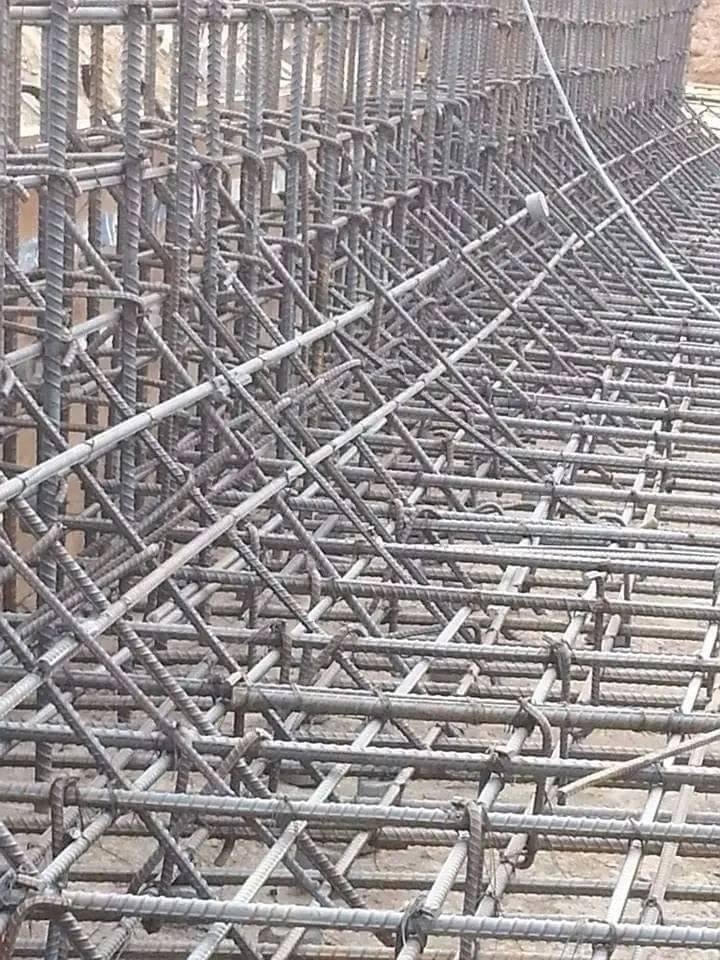
Gravity Retaining Walls
Gravity retaining walls are one of the simplest forms of retaining structures, primarily relying on their mass to resist the lateral forces exerted by soil or water. These walls are generally constructed from heavy materials like concrete, masonry, or stone, which provide the necessary weight to counteract the pressure from the retained materials.
The design of a gravity wall usually incorporates a broad base and a tapering profile, allowing it to maintain stability and minimize the risk of collapsing under pressure.
Typically, gravity retaining walls are employed in a variety of applications, including landscaping designs, roadways, and earth embankments. They can effectively manage changes in elevation while providing a visually appealing solution in garden or outdoor settings.
Due to their robust structure, gravity walls are suitable for a wide range of soil conditions, and they are particularly favored in situations where space is limited, and a sturdy support system is needed.
One significant advantage of gravity retaining walls is their durability. With proper construction and materials, these walls can withstand harsh environmental conditions for many years. Additionally, their simple design enables easier construction and lower maintenance costs compared to other types of retaining walls.
However, there are also disadvantages to consider. The primary drawback is the substantial amount of material required for construction, which can increase costs and the overall weight of the structure. Furthermore, gravity walls may not be effective in areas with high seismic activity or where soil conditions are frequently changing, as their stability is largely dependent on their mass.
Cantilever Retaining Walls
Cantilever retaining walls are a prevalent choice in civil engineering due to their structural efficiency and versatility. Characterized by a robust design that relies on a single vertical stem, these walls are known for their ability to support vertical loads and resist lateral earth pressure.
Typically constructed from reinforced concrete, cantilever walls utilize their weight and the leverage provided by their footing to remain stable under various load conditions.
The construction of cantilever retaining walls generally involves the use of high-strength concrete, which provides the necessary durability and resilience to withstand environmental factors. The walls often include steel reinforcements, enhancing their load-bearing capabilities and resisting potential cracking.
Depending on the site conditions, these walls can be designed in various heights and thicknesses, making them adaptable to a wide range of projects.
One of the primary advantages of cantilever retaining walls is their cost-effectiveness, particularly in the context of larger slopes or retaining heights. Their design allows for substantial material savings compared to other types of retaining walls since they require less concrete and reinforcements.
Furthermore, the construction methods for cantilever walls can be straightforward, often involving standard techniques and readily available materials. This availability reduces the overall construction time and costs associated with the installation.
Moreover, cantilever retaining walls are especially effective in specific conditions, such as sites with solid ground. Their geometry allows them to effectively dissipate the pressure exerted by soil and water behind the wall, making them suitable for residential landscaping, road construction, and other civil applications.
In conclusion, cantilever retaining walls offer an efficient and reliable solution for managing earth gradients, balancing both functionality and economic feasibility in various construction projects.
Counterfort Retaining Walls
Counterfort retaining walls are a specific type of wall design that provides significant structural support and stability for excavated earth. These walls consist of a vertical wall with a series of supporting elements, known as counterforts, that extend at regular intervals from the back face of the wall down to the foundation. This design serves to effectively reduce the lateral earth pressure exerted by the soil on the wall.
One of the primary functions of counterfort retaining walls is to manage the stresses generated by the retained soil. The counterforts act as braces that transfer hydrostatic forces from the wall to the ground, allowing for taller structures to be built without compromising safety or structural integrity.
Due to their unique design, they are particularly well-suited for high-load applications. They can effectively resist the lateral thrust of the earth at great heights, making them ideal for retaining large quantities of soil.
Applications of counterfort retaining walls can be seen in various landscapes, ranging from residential properties and roadways to more extensive infrastructures such as bridges and urban developments.
Their capacity to handle high loads while maintaining a relatively thin profile makes them an attractive choice for engineers. Furthermore, these walls can be designed with aesthetic features, integrating seamlessly into the surrounding environment.
The benefits of counterfort retaining walls extend beyond just their structural capabilities. They often require less material than traditional solid walls, which can lead to cost savings on construction.
Additionally, the increased stability provided by the counterforts minimizes the likelihood of failure or damage, ensuring long-lasting performance. Overall, counterfort retaining walls are an efficient solution for managing soil retention and slope stabilization in various engineering projects.
Sheet Piling Retaining Walls
Sheet piling retaining walls are a common choice in the construction industry, particularly for projects requiring significant ground stabilization and flood protection. These walls are constructed using sheets, typically made of steel or sometimes concrete or vinyl, which are driven into the ground to form a continuous barrier.
The installation of sheet piling involves the insertion of these sheets vertically into the earth, creating a barrier that can effectively hold back soil and water. This type of retaining wall is particularly beneficial in scenarios where space is limited, or when the surrounding area needs protection from soil erosion or water infiltration.
One of the primary advantages of sheet piling retaining walls is their durability and strength. Steel sheet piles, for example, are resistant to corrosion and provide extensive lateral support, making them ideal for high-rise constructions and areas prone to flooding. Additionally, their installation is relatively quick compared to traditional methods, which can reduce labor costs and project duration.
However, while the benefits are substantial, there are considerations for installation. The ground conditions must be assessed accurately to determine if sheet piling is appropriate. Poor soil conditions or excessive groundwater can complicate the installation, potentially leading to structural issues. Moreover, proper planning is essential to ensure compliance with local regulations and environmental considerations.
In summary, sheet piling retaining walls offer a versatile and robust solution for various construction needs. Their effectiveness, speed of installation, and minimal footprint make them an excellent choice for engineers and project managers in the UK, but careful planning and assessment should never be overlooked to ensure optimal performance and longevity.
Anchored Retaining Walls
Anchored retaining walls are a vital component in modern engineering, especially within the UK construction landscape. These structures utilize cables or rods, known as anchors, which extend into the horizontal ground to provide additional support and stabilization. The innovative design principles behind anchored walls allow them to withstand significant lateral pressures from soil, water, and other environmental factors.
One of the primary advantages of anchored retaining walls is their ability to be constructed in space-constrained locations. Since the anchors are positioned behind the wall and extend into the soil, these structures require less footprint compared to traditional gravity walls. This is particularly advantageous in urban areas where available space is limited.
In addition to spatial efficiency, anchored retaining walls are also highly adaptable. They can be designed to accommodate varying heights and soil conditions, which makes them suitable for a wide range of constructions, from roadways and bridges to landscaping and terracing in residential projects.
The use of anchored walls is prevalent in instances where soil erosion or land stability is a concern, as they provide robust support, reducing the risk of collapse.
Moreover, engineered with the flexibility to adjust to shifting load demands, anchored retaining walls can efficiently manage the pressures imposed by both static and dynamic loads. This capability is essential in regions with challenging geology or where heavy rainfall is common, contributing to the walls’ durability and longevity.
In summary, anchored retaining walls represent a crucial advancement in retaining wall technology, offering practical solutions for stabilization while enhancing the versatility of design in various construction projects across the UK.
Segmental Retaining Walls
Segmental retaining walls are a widely adopted solution in landscaping and erosion control, characterized by their modular design. Composed primarily of precast concrete blocks, these walls offer both aesthetic appeal and functional reliability. Their modularity allows for a flexibility in construction, enabling landscape designers and engineers to create walls of various heights and lengths tailored to specific site requirements.
The materials used in segmental retaining walls, predominantly concrete, are known for their durability and strength, which are critical for effective reinforcement in areas prone to soil erosion. The interlocking nature of the blocks provides gravity-based stabilization, allowing the wall to retain soil and resist lateral pressures without the necessity of mortar. This feature not only simplifies the installation process but also enhances the wall’s resistance to shifting or settling over time.
One notable advantage of segmental retaining walls is their versatility. They can be employed in a range of applications, from residential landscaping to commercial projects, effectively managing changes in elevation and creating terraced areas. Furthermore, the aesthetic options available allow for customization, as homeowners or designers can choose from a variety of textures and colors to match the surrounding environment.
However, while segmental retaining walls offer numerous benefits, there are drawbacks to consider. The initial cost of materials and installation can be higher compared to other types of retaining walls. Additionally, poorly designed drainage behind the wall can lead to excessive pressure from retained water, risking wall failure. Therefore, careful planning and proper installation are crucial to ensuring their efficacy.
In summary, segmental retaining walls present a practical solution for both aesthetic landscaping and effective erosion control, balancing functionality with design flexibility. Proper engineering practices and material choices are essential for optimizing their potential while mitigating risks associated with their installation.
Environmental Considerations and Aesthetic Factors
When selecting retaining walls in the UK, a thorough understanding of environmental considerations is essential. Retaining walls serve not only a functional purpose in stabilizing soil and managing water drainage but also significantly impact the surroundings.
The choice of materials is paramount; for instance, using locally sourced stone or eco-friendly concrete can reduce the carbon footprint associated with transportation and manufacturing. Furthermore, the design must account for local wildlife and vegetation to minimize disruption to natural habitats.
Another critical environmental aspect is the management of stormwater runoff. Retaining walls can be designed with drainage systems that allow for the natural flow of water, reducing erosion and preventing water accumulation behind the wall. This adaptability is vital in areas where heavy rainfall is common, as improper drainage can lead to structural failures and increase maintenance costs.
Aesthetics also play a significant role in the selection of retaining wall types, especially in both residential and commercial settings. The visual impact of a retaining wall can greatly influence the appeal of a property.
Homeowners often prefer designs that blend seamlessly with the landscape, opting for materials that complement their garden or building’s aesthetic. For commercial projects, the design may need to harmonize with the overall theme of the area and adhere to local planning regulations.
Incorporating plants and designing green walls can enhance aesthetic value while providing environmental benefits. This biophilic approach not only beautifies the space but also contributes to improved air quality and biodiversity. The integration of aesthetic and environmental factors is thus essential in the comprehensive planning of retaining walls, ensuring they fulfill both function and form harmoniously.
Conclusion and Best Practices
In reviewing the various types of retaining walls available in the UK, it becomes evident that the choice of retaining wall is critical to the stability and aesthetics of a property. Factors such as soil type, landscape design, and the wall’s intended purpose must guide the selection process. Options available include gravity walls, cantilever walls, anchored walls, and others, each presenting unique advantages and challenges.
When selecting a retaining wall, one should consider both functionality and design. For instance, a gravity wall might be ideal for a straightforward application where the slope is mild, while a cantilever wall could be a better choice for steeper inclines. In addition, using materials that complement the surrounding environment contributes both to the strength of the wall and to the overall appearance of the landscape.
Best practices for installation are paramount to ensure the longevity and effectiveness of the retaining wall. Proper drainage systems must be incorporated to prevent water accumulation behind the wall, which is a leading cause of failure. Installation should involve thorough site analysis and adherence to engineering principles, especially for taller walls. Utilizing quality construction materials and hiring professionals for the installation can significantly mitigate potential issues associated with soil pressure and erosion.
Maintenance is another critical aspect not to be overlooked. Regular inspections for cracks, bulges, and drainage efficiency are essential in preserving the integrity of the wall. Addressing minor repairs promptly can prevent costly and extensive issues in the future.
In conclusion, understanding the different types of retaining walls and following best practices in their installation and maintenance is essential for ensuring stability and functionality in residential and commercial properties throughout the UK.
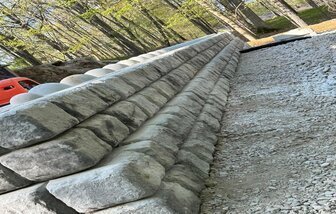
What is a Retaining Wall?
Discover the essential aspects of retaining walls in landscape architecture. This comprehensive guide covers the types of retaining walls, materials used, and key design considerations. Learn about the construction process, regulations, and maintenance tips to ensure stability and longevity.
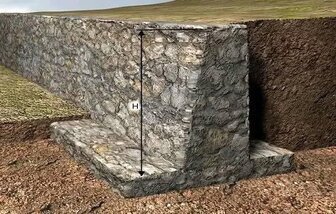
Types of Retaining Walls
This comprehensive guide explores the various types of retaining walls utilized in the UK, including gravity, cantilever, counterfort, sheet piling, anchored, and segmental walls. Learn about the function and advantages of each design, their practical applications in landscaping and civil engineering
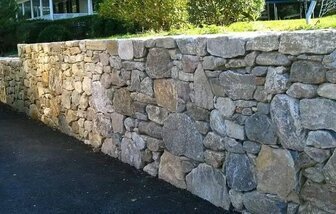
Purpose of Retaining Walls?
Discover the importance of retaining walls in landscaping and structural engineering. Learn about different types of retaining walls such as gravity walls, cantilever walls, sheet piling walls, and anchored walls.
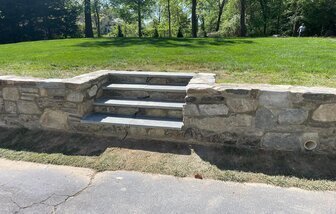
Garden Retaining walls
Garden retaining walls are essential for managing sloped terrains and preventing soil erosion, enhancing both the aesthetics and functionality of outdoor spaces. These walls not only hold back soil but also create distinct planting areas
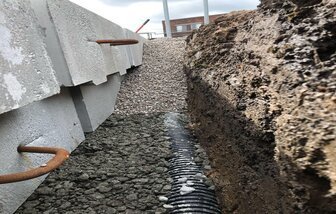
Building Retaining Walls
This comprehensive guide explores the essentials of building retaining walls, covering their significance in preventing soil erosion and enhancing landscapes. Learn about different types of retaining walls, crucial planning requirements, and the materials needed for construction.
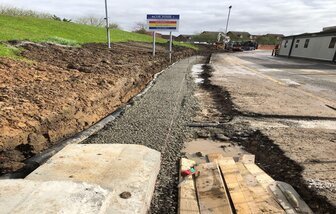
Foundation Depths For Retaining Walls
This article delves into the essential aspects of retaining walls, focusing on foundation depth requirements critical for stability and safety. It examines different types of retaining walls—gravity, cantilever, and anchored
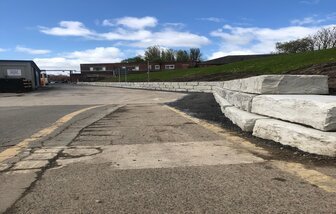
How to maintain Retaining Walls
The maintenance of retaining walls is imperative to ensure their longevity and functionality. Over time, factors such as water infiltration, soil settlement, and vegetation growth can compromise wall integrity.
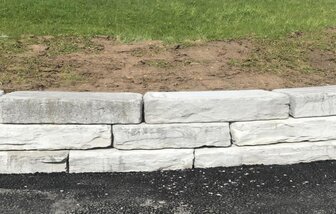
Retaining Wall Building Materials
Explore the essential guide to retaining walls, their significance in landscape stability, and various construction materials. This comprehensive article delves into the different types of retaining walls used in the UK
Ready to start your Project?
Let's Build Together
At Complete Contracting Group, we are committed to understanding your project needs, whether they are small-scale or large-scale developments. To commence your journey with us, simply complete the form provided below. This form allows us to gather essential details about your project, enabling our team to review your requirements thoroughly.
If you prefer a more direct approach, feel free to send your project documents and relevant photographs to projects@completeuk.uk Our team will carefully examine your materials and provide you with a competitive quote, along with an estimated timescale covering the entire project from inception to completion. We look forward to collaborating with you and bringing your project dreams to fruition!