
What Is A Gabion Basket? - Comprehensive Guide
Gabion baskets are innovative structures made from wire mesh filled with stones, providing effective solutions for erosion control, slope stabilization, and versatile landscaping designs. Known for their durability and aesthetic appeal, gabion baskets serve various purposes in modern engineering and architecture, from retaining walls to unique garden features. Their ability to promote natural drainage while effectively managing water flow makes them an environmentally sustainable choice. This article explores the materials, installation processes, advantages, and future trends of gabion baskets, highlighting their growing importance in both urban and rural landscapes. Learn how these adaptable structures can enhance functionality and beauty in construction projects, contributing to a more sustainable approach in landscape management.
Understanding Gabion Baskets: Definition and Functionality
Gabion baskets are a versatile and robust solution made from hexagonal wire mesh or double-twisted wire netting, primarily filled with stones or other inert materials.
The term ‘gabion’ is derived from the Italian word “gabbione,” which means “big cage.” This traditional construction method has its origins in civil engineering, where gabion baskets were employed for various purposes, including riverbank stabilization, erosion control, and facilitating drainage in infrastructure projects.
The primary function of gabion baskets is to provide structural support and stability. Their composition of wire mesh and durable filling allows them to withstand significant pressure and environmental challenges, making them suitable for applications involving heavy loads or dynamic weather conditions.
Historically, their use has been prominent in retaining walls, where the design harnesses the weight and bulk of the materials used in the baskets to counteract soil movement and erosion.
In recent years, gabion baskets have gained popularity beyond traditional civil engineering applications. They have found a significant niche in landscape design, owing to their aesthetic flexibility and natural appearance.
Gardeners and architects use them to create unique features such as seating areas, fences, and water features. Additionally, gabion baskets are recognized for their effectiveness in flood management, where they act as barriers to resist fast-moving water and prevent flooding in vulnerable areas.
The combination of functionality and visual appeal has contributed to their rising prominence in both urban and rural settings.
Overall, gabion baskets are an essential component in modern engineering and landscaping, proving their adaptability and usefulness across various applications while enhancing both aesthetic and functional value in projects around the world.
Materials Used in Gabion Baskets
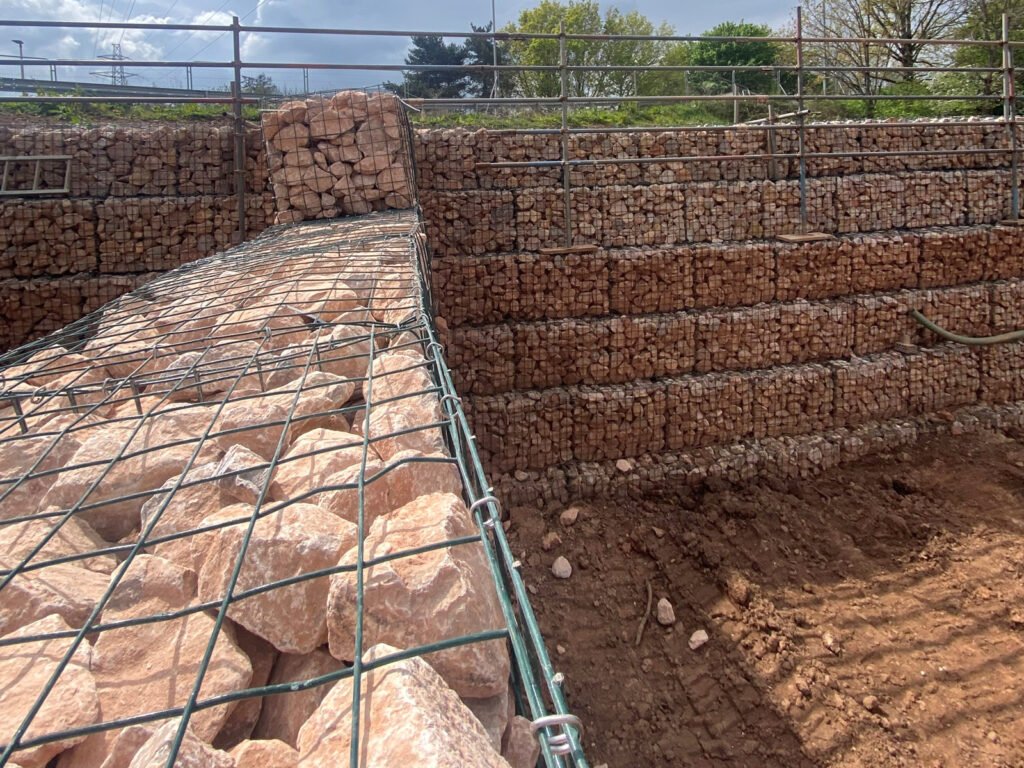
Gabion baskets, widely recognized for their utility in various civil engineering applications, are primarily constructed from three essential materials: wire mesh, rock or stone infill, and in some cases, geotextiles. Each material plays a significant role in the basket’s overall effectiveness and longevity.
The wire mesh, most commonly made from galvanized steel, is crucial for providing structural integrity to gabion baskets. This steel mesh is selected for its strength and durability, allowing it to withstand harsh environmental conditions, including corrosion from exposure to moisture and chemicals in the soil.
The choice of steel type may vary depending on the location and expected lifespan of the gabion installation. In coastal regions or areas with significant environmental moisture, stainless steel or plastic-coated wire may be preferred to enhance resistance against rusting.
Infill materials, often comprising various types of stones, are equally important. The rocks or stones used in gabion baskets serve both functional and aesthetic purposes.
They are typically chosen for their weight, ensuring that the basket remains stable and resists erosion. Commonly used stones include granite, limestone, and river rock, each providing distinct characteristics suited for different landscape designs and functional requirements. When selecting the rock type, both size and shape should be considered to ensure optimal fit within the mesh.
Occasionally, additional materials such as geotextiles are incorporated as layers within the gabion baskets. These textiles help in preventing soil erosion, enhancing drainage, and controlling the movement of sediment. The integration of geotextiles can significantly improve the functionality of gabion walls, especially in areas prone to destabilization by rainwater or flooding.
Thus, the careful selection of materials for gabion baskets is vital in ensuring their durability and effectiveness across diverse environments. By combining robust wire mesh with suitable infill stones and, when applicable, protective geotextiles, gabion baskets can effectively fulfill their intended purpose in various landscape and engineering projects.
The Design and Structure of Gabion Baskets
Gabion baskets are a versatile and robust solution in civil engineering and landscaping, designed primarily to provide stability and support in various construction applications.
Their structure typically consists of a wire mesh frame that is filled with rocks, pebbles, or other materials. This combination not only enhances their weight-bearing capabilities but also contributes to their resistance against environmental pressures such as water flow and erosion.
One of the defining features of gabion baskets is their variety in shapes and sizes. Standard designs include rectangular and cubic forms, though custom designs can be manufactured to suit specific project requirements.
The dimensions of gabion baskets can vary widely, with typical sizes ranging from small baskets meant for garden features to large walls used in riverbanks and retaining structures. This flexibility allows for easy adaptation to diverse environments and applications.
The structural integrity of gabion baskets is further augmented by their construction. The wire mesh is often made of galvanized steel or PVC-coated materials, ensuring durability and longevity. This robust design, paired with the infill material, creates a system capable of withstanding significant loads.
Additionally, the permeability of gabion baskets allows water to flow through while retaining the infill, thus preventing pressure build-up and mitigating the risk of failure in wet conditions.
The configuration of gabion baskets can also be tailored to specific functions. For instance, when stacked together, they create a robust retaining wall that provides effective soil stabilization. When used in water drainage applications, their open structure promotes sediment filtration and prevents erosion.
This multifunctional nature highlights the importance of thoughtful design in gabion baskets, ensuring they meet the demands of their intended use while maintaining structural durability.
How Gabion Baskets Work
Gabion baskets are versatile structural elements designed to combat soil erosion and manage water flow effectively. Comprised of wire mesh containers filled with rocks, stones, or other materials, these baskets function as retaining walls, allowing for significant stabilization of slopes and riverbanks. Their design facilitates drainage and minimizes the risk of flooding, which in turn protects landscapes from severe erosion.
One of the primary mechanisms with which gabion baskets mitigate soil erosion is through their weight and mass. When positioned in strategic locations, gabions help to absorb the energy from flowing water, thus significantly reducing its velocity. This slowing down of water flow diminishes the potential for erosion.
Additionally, while gabions act as physical barriers, they also allow for natural drainage. The gaps within the rock-filled containers enable water to seep through, helping to maintain the soil moisture levels without overwhelming the surrounding areas.
Moreover, gabion baskets channel water flow precisely. By structuring them in line with the natural gradient of a landscape, engineers can direct water away from vulnerable areas and into more stable regions. This channeling effect not only prevents localized flooding but also helps in the distribution of nutrients within the soil, promoting healthier vegetation growth in the long term.
These baskets work best in a variety of landscapes, whether in mountainous terrains or along riverbanks, demonstrating their adaptability. They provide an effective and environmentally friendly solution that enhances stability, aids in drainage, and channels water flow appropriately, making them a crucial element in modern landscape management strategies.
Types of Gabion Baskets and Their Uses
Gabion baskets are versatile structures made from wire mesh and filled with rocks or other materials, designed to serve various purposes in construction and landscaping. Among the different types of gabion baskets available in the market, three primary categories include regular gabion baskets, Reno mattresses, and wire mesh baskets.
Regular gabion baskets are typically cube-shaped cages used for retaining walls, riverbank stabilization, and soil erosion control. These baskets are ideal for applications requiring solid support and durability, as they provide excellent drainage and retain their shape under pressure. Their modular design makes them easy to transport and install, often used in civil engineering projects as a cost-effective solution for structural support.
Reno mattresses, on the other hand, are low-profile, rectangular cages specifically designed for flood control and erosion protection. Filled with smaller rocks, these mattresses are laid flat along riverbanks or slopes to absorb hydraulic forces and minimize soil displacement. Their low height and flexible design allow them to adapt to irregular terrain, making them particularly effective in managing unpredictable water flow and stabilizing riverbanks.
Lastly, wire mesh baskets differ in customization, allowing for various shapes and dimensions. These baskets can be tailor-made for unique landscaping designs, including decorative retaining walls or garden features. The use of wire mesh baskets for decorative purposes is growing in popularity, as they allow for creative integration of natural materials into outdoor spaces.
In summary, the selection of gabion baskets depends on the specific application and desired structural function. Understanding the differences between regular gabion baskets, Reno mattresses, and wire mesh baskets ensures that projects meet both functional and aesthetic requirements.
Advantages of Using Gabion Baskets
Gabion baskets have gained considerable traction in various engineering and landscaping projects due to their numerous advantages. One of the primary benefits is their cost-effectiveness. Compared to traditional retaining walls or structural supports, gabion baskets require significantly less material and lower labor costs.
The use of locally sourced materials, such as stones or rubble, often contributes to reducing expenses, which can be particularly advantageous for budget-conscious projects.
In addition to cost savings, gabion baskets align closely with principles of environmental sustainability. Their design allows for natural drainage, which not only prevents water accumulation but also minimizes soil erosion. Moreover, they can promote the growth of vegetation as they allow soil and plant roots to establish in the spaces between the stones.
This characteristic makes gabion baskets an excellent option for integrating green infrastructure, thus supporting biodiversity while effectively managing stormwater runoff.
The flexibility in design that gabion baskets offer is another notable advantage. They can be easily adapted to suit various shapes and sizes, making them suitable for a wide range of applications, from garden landscaping to large-scale coastal or riverbank erosion control.
Additionally, the aesthetic appeal of gabion baskets can be enhanced through the selection of different types of stones or by incorporating lush vegetation, creating visually attractive features that blend seamlessly with the surrounding environment.
Lastly, the longevity of gabion baskets cannot be understated. Constructed from durable materials that withstand harsh environmental conditions, gabion baskets are designed to endure the test of time. When properly installed, they can last for decades with minimal maintenance, making them a sustainable investment for both private and public projects.
Installation Process of Gabion Baskets
The installation of gabion baskets is a systematic process that requires careful planning and execution to ensure their effectiveness and durability. The first step involves site assessment, which includes evaluating the condition of the terrain where the gabions are to be installed. Factors such as soil type, drainage patterns, and environmental conditions play a crucial role in determining the appropriate design and placement of the baskets.
Before beginning the installation, it is essential to gather the necessary tools and materials. Common tools include a shovel, a wire cutter, gloves, and a level. Additionally, you will need to secure the gabion baskets themselves, which can be purchased pre-assembled or in flat packs that require assembly on-site. It is advisable to have a sturdy foundation, which may involve clearing the area of debris and vegetation, as well as leveling the ground to provide a stable base for the gabions.
Once the site is prepared, the next step is to assemble the gabion baskets if they are not pre-assembled. This typically involves securing the wire sides and bottom together. Afterward, the baskets can be positioned in the designated area. It is crucial to ensure that the baskets are placed level and in alignment with the intended design. Depending on the project specifications, it might be necessary to stake the baskets into the ground to prevent movement during the filling process.
Filling the baskets with appropriate materials such as stones or gravel must be done carefully to maintain their shape and stability. As the gabion basket is filled, it should be periodically checked for alignment and levelness. A well-packed gabion will provide better stability and longevity. Overall, proper installation of gabion baskets requires attention to detail and an understanding of the environmental conditions surrounding the site.
Maintenance and Care of Gabion Baskets
Ensuring the longevity and optimal functionality of gabion baskets requires regular maintenance and care. Gabions, primarily composed of wire mesh filled with stones or other materials, serve as effective erosion control and structural support solutions. However, neglecting proper upkeep may lead to deterioration and decreased performance.
One of the key aspects of gabion maintenance is conducting periodic inspections. These inspections should focus on checking the integrity of the wire mesh and the condition of the fill material. Look for signs of corrosion, which can compromise the strength of the wire.
Areas that are exposed to harsh weather conditions or constant moisture may require more frequent inspections, as they are particularly vulnerable to rust and decay. If corrosion is detected, it is crucial to address it promptly. Applying a protective coating or using galvanized wire can significantly prolong the lifespan of the gabion baskets.
Another important factor in gabion basket maintenance is monitoring vegetation growth around the structure. While vegetation can enhance the aesthetic appeal and stability of a gabion structure, uncontrolled growth may pose risks. Roots can infiltrate the baskets, potentially displacing the fill material and impacting their stability.
It is advisable to maintain a clear zone around the baskets, trimming any overgrowth that could interfere with their function. Regular maintenance of surrounding landscaping can also help prevent erosion and ensure that the gabion baskets remain effective in their intended purpose.
In conclusion, proper maintenance and care of gabion baskets are essential for ensuring their durability and effectiveness in erosion control and structural applications. Through routine inspections, addressing corrosion, and managing vegetation, owners can preserve the integrity and utility of these versatile structures.
Conclusion and Future of Gabion Baskets
Gabion baskets play a significant role in contemporary construction and landscaping projects, providing practical solutions for erosion control, slope stabilization, and aesthetic appeal.
Their robust structure, formed from interconnected wire mesh filled with stones or other materials, ensures durability and functionality, making them an essential component in various applications. Not only do gabion structures contribute to the effectiveness of landscaping designs, but they also offer environmental benefits by promoting natural drainage and supporting local ecosystems.
The increasing awareness of sustainable building practices positions gabion baskets as a promising option for future developments. As the construction industry shifts towards environmentally friendly solutions, innovations in gabion technology are anticipated. These advancements may include improved materials for the mesh, enhanced filling options, and designs that better integrate with surrounding landscapes.
Such innovations could further enhance the versatility of gabion baskets, allowing for more creative uses in both urban and rural settings.
Moreover, the adaptability of gabion baskets will likely lead to their broader adoption in various sectors, including civil engineering, landscaping, and even art installations. As new techniques emerge, the potential uses for gabion structures could expand significantly, paving the way for more ambitious projects that harness their unique properties.
In conclusion, the significance of gabion baskets in modern construction and landscaping cannot be overstated. Their combination of functionality, aesthetic appeal, and sustainability positions them as a valuable asset in current and future building practices. By embracing innovations and focusing on eco-friendly practices, the role of gabion baskets is set to evolve, ensuring they remain relevant in the ever-changing landscape of construction.
What is a Retaining Wall?
Discover the essential aspects of retaining walls in landscape architecture. This comprehensive guide covers the types of retaining walls, materials used, and key design considerations. Learn about the construction process, regulations, and maintenance tips to ensure stability and longevity.
Types of Retaining Walls
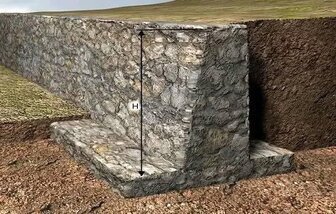
This comprehensive guide explores the various types of retaining walls utilized in the UK, including gravity, cantilever, counterfort, sheet piling, anchored, and segmental walls. Learn about the function and advantages of each design, their practical applications in landscaping and civil engineering
Purpose of Retaining Walls?
Discover the importance of retaining walls in landscaping and structural engineering. Learn about different types of retaining walls such as gravity walls, cantilever walls, sheet piling walls, and anchored walls.
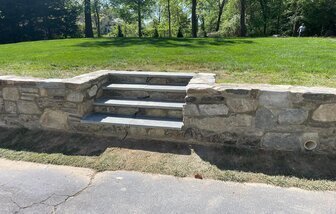
Garden Retaining walls
Garden retaining walls are essential for managing sloped terrains and preventing soil erosion, enhancing both the aesthetics and functionality of outdoor spaces. These walls not only hold back soil but also create distinct planting areas
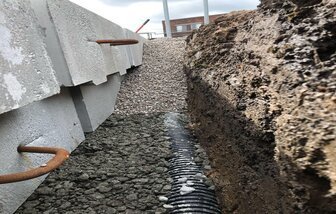
Building Retaining Walls
This comprehensive guide explores the essentials of building retaining walls, covering their significance in preventing soil erosion and enhancing landscapes. Learn about different types of retaining walls, crucial planning requirements, and the materials needed for construction.
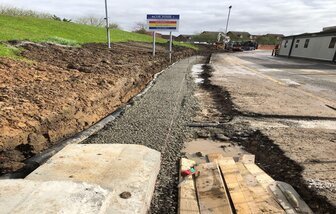
Foundation Depths For Retaining Walls
This article delves into the essential aspects of retaining walls, focusing on foundation depth requirements critical for stability and safety. It examines different types of retaining walls—gravity, cantilever, and anchored
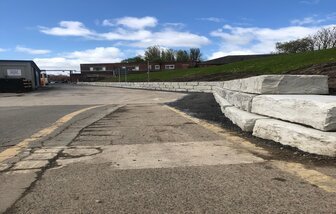
How to maintain Retaining Walls
The maintenance of retaining walls is imperative to ensure their longevity and functionality. Over time, factors such as water infiltration, soil settlement, and vegetation growth can compromise wall integrity.
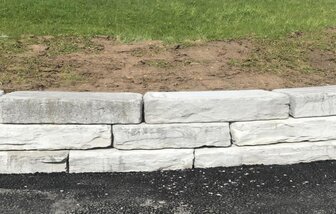
Retaining Wall Building Materials
Explore the essential guide to retaining walls, their significance in landscape stability, and various construction materials. This comprehensive article delves into the different types of retaining walls used in the UK
Ready to start your Project?
Let's Build Together
At Complete Contracting Group, we are committed to understanding your project needs, whether they are small-scale or large-scale developments. To commence your journey with us, simply complete the form provided below. This form allows us to gather essential details about your project, enabling our team to review your requirements thoroughly.
If you prefer a more direct approach, feel free to send your project documents and relevant photographs to projects@completeuk.uk Our team will carefully examine your materials and provide you with a competitive quote, along with an estimated timescale covering the entire project from inception to completion. We look forward to collaborating with you and bringing your project dreams to fruition!