
Understanding Construction Civil Engineering: An In-Depth Overview
Discover the pivotal role of civil engineering in shaping our infrastructure and society. This comprehensive guide covers the essential facets of construction civil engineering, including its branches, key responsibilities, educational pathways, and the tools and technologies that are transforming the industry. Learn how civil engineering addresses challenges like urbanization and climate change while emphasizing sustainability and safety. From notable projects like the Golden Gate Bridge and Burj Khalifa to the future of smart buildings, this resource offers insights into the vital contributions of civil engineers. Explore how they enhance public health, economic growth, and environmental protection through innovative practices in construction.
What is Construction Civil Engineering?
Construction civil engineering is a specialized branch of civil engineering that focuses on the planning, design, implementation, and maintenance of infrastructure projects and buildings.
This discipline plays a crucial role in creating and maintaining environments where people live, work, and interact, thus making it essential for the overall development of society.
The field encompasses various activities, including the construction of roads, bridges, dams, buildings, and tunnels. Each of these projects requires a thorough understanding of engineering principles, coupled with an awareness of environmental and societal impacts.
For instance, highway construction involves not only the design of the road itself but also considerations for traffic management, safety features, drainage systems, and environmental protection.
Similarly, the construction of bridges demands meticulous calculations and design to ensure structural integrity and longevity.
Furthermore, construction civil engineering also includes the maintenance of existing structures, which is vital in prolonging their usability and ensuring safety for the general public. Regular assessments and updates are required to address wear and deterioration caused by natural elements or usage over time.
Examples of notable projects within construction civil engineering include the iconic Golden Gate Bridge in San Francisco, which exemplifies innovative engineering and design techniques, and the Burj Khalifa in Dubai, known for its unprecedented height and complexity.
These projects not only serve functional purposes but also contribute significantly to the aesthetic and cultural identity of their locations.
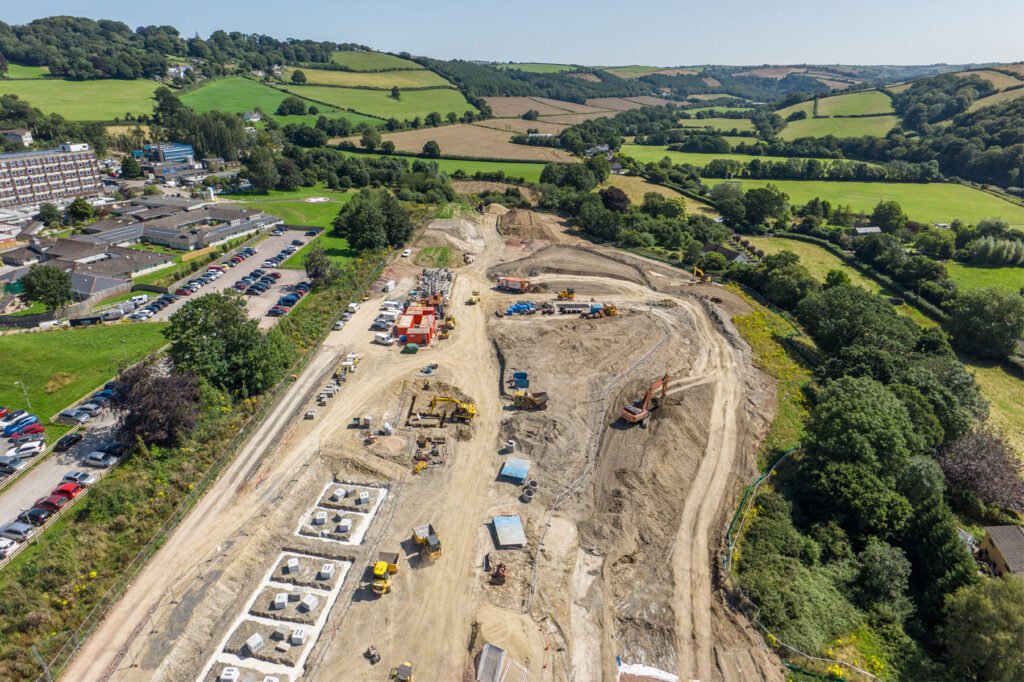
Key Responsibilities of Construction Civil Engineers
Construction civil engineers play a crucial role in the planning, design, and execution of construction projects. Their primary responsibilities encompass various stages of a project, ensuring that objectives are met efficiently and in accordance with safety standards. One of the foremost duties of civil engineers is project planning, which entails determining the scope, budget, and timeline of the construction endeavor.
Their analytical skills are vital during this phase, as they assess site conditions, materials required, and potential environmental impacts to create a comprehensive and effective project plan.
Following the planning stage, the design phase of a project comes into play. Construction civil engineers are tasked with developing detailed designs and specifications that abide by regulatory standards and client requirements. This may involve creating blueprints and utilizing software tools to model structures, ensuring functionality, aesthetics, and compliance with applicable building codes.
Furthermore, engineers must also conduct feasibility studies to identify and mitigate risks, allowing for a streamlined transition from concept to reality.
Site management is another essential responsibility that requires civil engineers to supervise construction activities on-site. They are responsible for overseeing day-to-day operations, ensuring that projects are progressing according to the established timelines, and managing resources effectively.
This role often necessitates liaising with various stakeholders, including contractors, architects, and local authorities, to facilitate collaboration and address any potential issues that may arise.
Moreover, communication skills are vital, as construction civil engineers must work closely with their peers in multidisciplinary teams to ensure all components of a project are aligned. This collaborative approach is necessary for achieving optimal outcomes and ensuring that infrastructure projects meet both client expectations and quality standards.
Educational Pathway to Becoming a Construction Civil Engineer
For individuals aspiring to become a construction civil engineer, a solid educational foundation is paramount. The journey typically begins with the attainment of a bachelor’s degree in civil engineering or a closely related field.
Accredited programs are generally offered by universities and colleges, focusing on core topics such as structural analysis, material science, and fluid mechanics. Courses in project management and construction technology are also integral parts of the curriculum, preparing students for the challenges they will face in the field.
After obtaining a bachelor’s degree, aspiring civil engineers are encouraged to gain practical experience through internships or cooperative education opportunities. This hands-on experience not only enhances learning but also gives students essential insights into the industry. Subsequently, many candidates choose to pursue a master’s degree in civil engineering, which can further enhance their expertise and marketability in specialized areas like environmental engineering or transportation engineering.
In addition to formal education, acquiring professional certifications can significantly bolster one’s credentials. One of the most recognized certifications is the Engineer-in-Training (EIT) designation, which is often pursued after graduation. This certification is an initial step towards obtaining the prestigious Professional Engineer (PE) license. To become licensed, candidates must pass the Fundamentals of Engineering (FE) exam, followed by the PE exam after gaining requisite work experience, typically lasting four years.
Continuing education is also critical for construction civil engineers, as it ensures they stay up-to-date with industry developments, codes, and technologies. Some states may also have additional licensing requirements, underscoring the importance of understanding local regulations to successfully navigate the professional landscape. By fulfilling these educational requirements and pursuing necessary licensure and certification, one can establish a rewarding career in construction civil engineering.
Tools and Technologies in Construction Civil Engineering
In the field of construction civil engineering, the integration of advanced tools and technologies has revolutionized the way engineers design, manage, and execute projects. These innovations range from sophisticated design software to comprehensive project management solutions, and they play a crucial role in enhancing efficiency and accuracy.
One of the primary tools utilized in construction civil engineering is Computer-Aided Design (CAD) software. This technology enables engineers to create precise drawings and 3D models of structures, thereby facilitating better visualization and planning. Popular CAD programs like AutoCAD and Revit allow for the simulation of real-world conditions, enabling engineers to foresee potential challenges and make necessary adjustments before construction begins.
In addition to CAD, Building Information Modeling (BIM) has emerged as a pivotal technology in the construction industry. BIM not only enhances design capabilities but also improves collaboration among stakeholders by providing a shared digital representation of the project. This integrated approach allows civil engineers to manage building lifecycle processes, including planning, design, construction, and operation more effectively.
Project management tools have also seen significant advancements. Software such as Microsoft Project and Primavera P6 facilitates scheduling, resource allocation, and budget management, ensuring projects remain on track. These tools streamline communication among team members, keeping all parties informed and engaged throughout the construction process. The rise of cloud-based project management platforms further supports real-time collaboration and data sharing.
Moreover, construction technologies such as drones and 3D printing are revolutionizing site surveying and material production. Drones provide aerial imagery and data collection, allowing engineers to monitor site progression and topography quickly. Meanwhile, 3D printing technology enables the creation of complex structures and components with high precision and reduced material waste.
Collectively, these tools and technologies not only optimize the workflow for construction civil engineers but also enhance the overall quality and sustainability of construction projects. As the industry continues to evolve, embracing these advancements will be essential for meeting increasing demands and challenges in construction engineering.
Challenges Faced in Construction Civil Engineering
Construction civil engineering plays a crucial role in infrastructure development, yet it is fraught with numerous challenges that can often derail projects. One of the foremost issues is budget constraints. Construction projects may frequently exceed initial estimates due to unforeseen conditions, material price fluctuations, or labor costs.
This requires engineers to exhibit adaptability and innovative problem-solving skills to realign project scope or allocate resources efficiently while maintaining quality standards.
Another significant challenge is ensuring regulatory compliance. Civil engineers must navigate a complex landscape of local, state, and federal regulations that govern construction practices. These regulations encompass a wide range of areas, including environmental protection, building codes, and labor laws. Failure to comply can result in costly delays or legal repercussions, necessitating that civil engineers remain well-informed about the current legislation and incorporate it into the project lifecycle.
Safety issues also remain a critical concern in construction civil engineering. Work sites are inherently dangerous, and ensuring the wellbeing of workers is paramount. Civil engineers are responsible for implementing rigorous safety protocols and conducting regular training sessions to mitigate risks associated with construction activities.
If neglected, safety failures can lead to severe injuries, fatalities, and subsequent lawsuits, therefore highlighting the importance of prioritizing safety in every project phase.
Lastly, there are environmental impacts that must be considered. Civil engineers are increasingly tasked with designing sustainable structures that minimize adverse effects on the ecosystem. This includes thorough assessments of local wildlife, land use, and resource management.
By integrating sustainable practices, engineers can contribute to greener building solutions while overcoming challenges such as public opposition to projects deemed harmful to the environment.
The Future of Construction Civil Engineering
The construction civil engineering industry is on the brink of significant transformation, driven largely by advancements in technology and a heightened emphasis on sustainability.
Future trends indicate a shift towards more sustainable construction practices, where engineers are increasingly prioritizing eco-friendly materials and processes. This transition is not merely a trend but a necessary response to the pressing challenges posed by climate change and resource depletion.
As governments and organizations worldwide commit to stringent environmental guidelines, the demand for sustainable solutions in construction civil engineering will only intensify.
Furthermore, the emergence of smart buildings represents a crucial element in the evolution of the construction sector. These structures integrate advanced technologies, such as the Internet of Things (IoT), artificial intelligence (AI), and big data analytics, to enhance building efficiency and occupant comfort.
Smart buildings can monitor and adjust energy consumption based on real-time usage patterns, thereby reducing waste and lowering operational costs. As the construction civil engineering sector embraces these innovations, professionals will be better equipped to meet the evolving needs of urbanization and population growth.
Additionally, the influence of construction technology through Building Information Modeling (BIM) and 3D printing is paving the way for unprecedented efficiency in project design and management.
These technologies enable engineers to create detailed digital models, allowing for enhanced collaboration among project teams and reducing errors during construction. As these methods gain wider acceptance, the industry can anticipate a reduction in project timelines and associated costs, ultimately revolutionizing traditional construction practices.
In conclusion, the future of construction civil engineering is set to be shaped by sustainable practices, smart technologies, and innovative methodologies. By embracing these advancements, the industry can not only meet current demands but also contribute effectively to a more sustainable built environment.
Notable Projects in Construction Civil Engineering
Throughout history, construction civil engineering has witnessed numerous landmark projects that showcase innovative design and engineering solutions. These projects not only exemplify the technical prowess of engineers but also have significant impacts on the surrounding communities and the environment.
One such notable example is the Golden Gate Bridge in San Francisco, California. Completed in 1937, this iconic suspension bridge spans approximately 1.7 miles across the Golden Gate Strait, connecting San Francisco to Marin County.
The design was revolutionary for its time, featuring Art Deco elements and a vibrant International Orange color that enhances visibility in foggy conditions. Its engineering required advanced methods and materials, including the use of steel for the cables and framework. The bridge symbolizes durability and ingenuity while significantly contributing to the region’s economy by improving transportation.
Another landmark project is the Burj Khalifa in Dubai, United Arab Emirates, which has held the title of the world’s tallest building since its completion in 2010. Standing at a staggering height of 828 meters, the Burj Khalifa showcases advanced construction methodologies such as a bundled tube design, which allowed for the unprecedented height while ensuring stability and resilience against wind forces.
This architectural marvel not only redefined the skyline of Dubai but also attracted millions of tourists, stimulating the local economy and establishing the city as a global hub for tourism and business.
Lastly, the Panama Canal stands as a testament to the significance of civil engineering in enhancing global trade. Completed in 1914, the canal revolutionized maritime travel by providing a shortcut between the Atlantic and Pacific Oceans.
The engineering feats involved in its construction included the use of locks, excavations, and extensive earthworks, which transformed the shipping industry. The Panama Canal has had a profound impact on international trade, allowing vessels to avoid the lengthy and perilous route around the southern tip of South America.
Conclusion: The Impact of Construction Civil Engineering on Society
Construction civil engineering plays a pivotal role in shaping modern society. It encompasses a broad array of activities that contribute to the development and maintenance of essential infrastructure such as roads, bridges, and buildings. The importance of these structures cannot be overstated, as they facilitate transportation, commerce, and access to services that enhance the quality of life for individuals and communities alike.
Furthermore, construction civil engineering is vital in bolstering economic growth by creating jobs and fostering industries tied to construction and infrastructure development. As cities expand and populations rise, the demand for sustainable and efficient infrastructure increases. Civil engineers are at the forefront of this challenge, utilizing innovative technologies and sustainable practices to ensure that development meets present needs without compromising future generations.
In addition to economic benefits, the contribution of construction civil engineering to public safety and environmental protection is significant. Engineers are responsible for designing structures that withstand natural disasters, thereby protecting lives and property. Moreover, they incorporate eco-friendly materials and methods in their projects, demonstrating a commitment to sustainable development that aligns with global environmental goals.
In essence, the field of construction civil engineering serves as the backbone of our modern society, enabling progress and fostering a healthier, more sustainable environment for all. Its impact is felt in daily life, influencing everything from transportation efficiency to the resilience of community infrastructure. As such, the importance of construction civil engineering cannot be underestimated, and its ongoing evolution will play a crucial role in addressing future societal challenges.

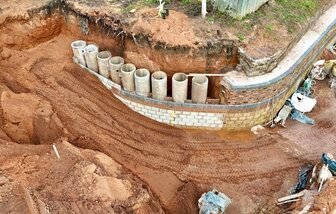
What Are Section 278/104 Agreements?
Section 278 and Section 104 agreements are pivotal in UK infrastructure development, allowing developers to make necessary alterations to highways and drainage systems in compliance with local authority regulations.
What is the CDM 2015 Regulation?
The Construction (Design and Management) Regulations 2015 (CDM 2015) represent a pivotal development in the management of health and safety within the UK construction industry. Designed to enhance the safety standards and communication
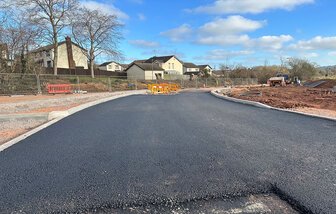
What are permanent vs. temporary works?
This comprehensive overview of construction works explores both permanent and temporary structures, essential for infrastructure development and urban planning. Permanent works, which include buildings and bridges, are designed for longevity and stability
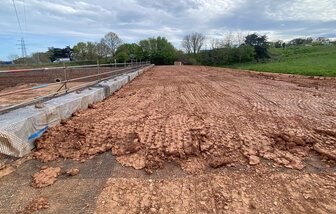
What is Civil Engineering?
Explore the fundamental role of civil engineering in shaping modern infrastructure. From ancient civilizations to contemporary practices, this article delves into the diverse disciplines within civil engineering, emphasizing the importance of sustainability and innovative technologies.
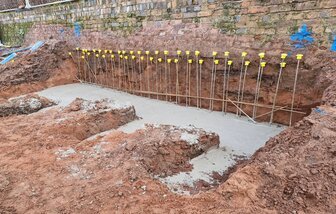
Civil Engineer In Construction
This comprehensive guide to civil engineering explores its significance in shaping infrastructure and environment, covering key responsibilities, educational qualifications, and the vital role of project management.
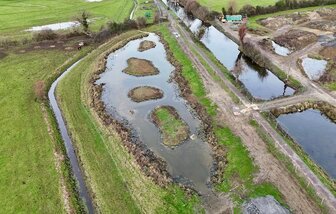
Civil Engineer Differ From An Architect?
Explore the pivotal roles of civil engineers and architects in the construction industry. This comprehensive article delves into their distinct responsibilities, educational pathways, and collaborative efforts.
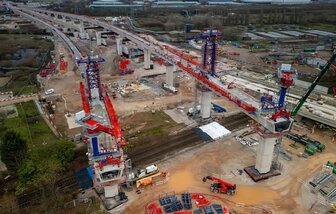
Construction Civil Engineering
Discover the pivotal role of civil engineering in shaping our infrastructure and society. This comprehensive guide covers the essential facets of construction civil engineering, including its branches, key responsibilities
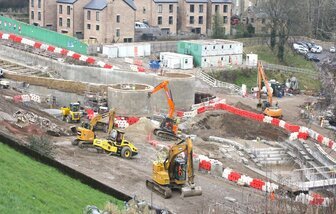
Civil Engineering Firms
Complete Group is one of the leading civil engineering firms established in the early 1990s in the UK, specializing in innovative and sustainable construction practices. The company offers a wide range of services including design, construction
Ready to start your Project?
Let's Build Together
At Complete Contracting Group, we are committed to understanding your project needs, whether they are small-scale or large-scale developments. To commence your journey with us, simply complete the form provided below. This form allows us to gather essential details about your project, enabling our team to review your requirements thoroughly.
If you prefer a more direct approach, feel free to send your project documents and relevant photographs to projects@completeuk.uk Our team will carefully examine your materials and provide you with a competitive quote, along with an estimated timescale covering the entire project from inception to completion. We look forward to collaborating with you and bringing your project dreams to fruition!