
Understanding the Distinction: How Civil Engineers Differ from Architects
Explore the pivotal roles of civil engineers and architects in the construction industry. This comprehensive article delves into their distinct responsibilities, educational pathways, and collaborative efforts. Civil engineers focus on the structural integrity and functionality of projects, ensuring safety and compliance with regulations, while architects emphasize aesthetics and spatial design to create visually appealing environments. Discover how these two professions intersect, their specialized skills, and the importance of teamwork in successful project management. Learn about current trends affecting these fields, including sustainability and technological advancements, and understand how their collaboration leads to innovative solutions in infrastructure development. This insightful overview is essential for understanding the dynamics of civil engineering and architecture.
Introduction: The Roles of Civil Engineers and Architects
The fields of civil engineering and architecture play pivotal roles in the construction industry, each contributing unique expertise towards the design and realization of built environments.
While both professions collaborate on infrastructure projects, they encompass different responsibilities and skill sets that cater to various facets of construction.
Civil engineers primarily focus on the structural and functional aspects of projects. They are responsible for analyzing, designing, and overseeing the construction of various structures, including bridges, roads, and dams.
Their work ensures safety, durability, and compliance with regulatory standards. Civil engineers employ principles of physics and mathematics to solve complex engineering problems and utilize advanced technology to simulate structural performance over time.
Conversely, architects concentrate on the aesthetic and spatial dimensions of buildings. They are tasked with the creative design of spaces that align with both client aspirations and functionality.
Architects consider factors like natural light, spatial organization, and material selection to create environments that are both pleasing to the eye and practical for usage. Their expertise lies in visualizing the potential of a space, allowing functionality to coexist with beauty.
It is important to understand that while civil engineers and architects often work in tandem, their educational backgrounds, methodologies, and ultimate objectives diverge significantly.
Civil engineers require a thorough understanding of physics, material science, and construction principles, whereas architects emphasize design, art history, and user experience. This divergence enhances the collaborative synergy necessary for successful construction outcomes.
Educational Pathways: Training and Qualifications
The educational pathways for civil engineers and architects present notable distinctions, reflecting their specialized professions. Civil engineers typically pursue a Bachelor’s degree in Civil Engineering, which is often complemented by coursework in mathematics, physics, and project management.
Programs accredited by the Accreditation Board for Engineering and Technology (ABET) are particularly important, as they affirm the quality of education. Following their undergraduate studies, aspiring civil engineers are usually required to complete a four-year apprenticeship and obtain licensure by passing the Fundamentals of Engineering (FE) examination, followed by the Principles and Practice of Engineering (PE) exam.
In contrast, architects generally begin their journey with a Bachelor of Architecture (B.Arch) or a Master of Architecture (M.Arch) degree from an accredited college or university. Architectural programs emphasize design, aesthetics, and construction principles, preparing graduates for the challenges of creating functional and visually appealing buildings.
Similar to civil engineering, obtaining licensure is a crucial step; this involves completing the Architectural Experience Program (AXP) and passing the Architect Registration Examination (ARE).
Moreover, while the core studies for civil engineering encompass structural analysis, materials science, and environmental engineering, architecture education focuses on design theory, history of architecture, and technical drawing.
This divergence in focus areas allows each profession to develop expertise pertinent to their roles, with civil engineers often concerned with infrastructure and system integrations, while architects prioritize spatial design and client interaction. Understanding these educational components provides insight into how civil engineers and architects are uniquely equipped to fulfill their respective responsibilities within the construction and design industries.
Design vs. Structure: Key Functions in Projects
In the realm of construction and infrastructure, civil engineers and architects play crucial yet distinct roles. Understanding the subtleties of their responsibilities is essential for grasping how successful projects come together. Architects primarily lead the design process, focusing on aesthetics and usability.
Their vision shapes the initial concept of a structure, ensuring that it not only meets the functional requirements but also resonates with the intended aesthetic values. Architects are trained to consider how spaces function, the experience of users, and how their designs can enhance the environment in which they are situated.
On the other hand, civil engineers take this artistic vision and translate it into a tangible reality, concentrating on the structural integrity and functionality of buildings and infrastructures.
They delve into the technical aspects, ensuring that constructions can withstand various forces and remain safe for public use. This includes calculations, material selections, and methodologies that underpin the strength of structures. Civil engineers are tasked with addressing critical elements such as load distribution, foundation design, and compliance with safety regulations, which are vital for the operational success of any project.
While architects innovate through creative design, civil engineers embody the principles of physics, mathematics, and material science to safeguard the feasibility of those designs. This interdisciplinary collaboration fosters a balance where visual appeal meets structural soundness, ultimately leading to successful outcomes in the built environment.
Without the precise planning and analytical thinking of civil engineers, the imaginative concepts of architects would be unable to stand the test of time and function as intended. Thus, recognizing the disparity between design and structure is essential for appreciating the interconnected efforts that define modern construction and infrastructure.
Project Management and Collaboration
The roles of civil engineers and architects are fundamentally interconnected, particularly in the realms of project management and collaboration. Throughout the entirety of a construction project, from initial planning to final execution, these professionals must work closely with one another as well as with other stakeholders such as contractors, surveyors, and urban planners. This teamwork is crucial in bringing comprehensive design concepts to fruition while ensuring that projects are completed on time and within budget.
During the initial planning stages, architects focus on creating design blueprints that align with the aesthetic and functional aspects of a project. They envision the end product, ensuring it meets client specifications and regulatory requirements.
Civil engineers, on the other hand, analyze these designs to assess their structural integrity and feasibility, examining factors such as materials, load-bearing capacities, and environmental impacts. Collaboratively, this stage of the project lays the groundwork for success.
As the project advances to the design phase, the collaboration between civil engineers and architects becomes even more pronounced. These professionals often hold meetings to discuss various aspects of the project, evaluating design elements and engineering protocols. Their synergistic efforts are vital for addressing potential discrepancies, ensuring the design complies with safety standards, and optimizing logistics.
In the execution phase, civil engineers take a more dominant role, overseeing construction tasks and managing on-site teams. Nevertheless, architects remain involved, providing necessary guidance and adjustments to ensure that the construction aligns with their original vision. This partnership continues throughout the project’s lifespan. The successful collaboration between civil engineers and architects not only enhances the efficiency of project management but also improves the overall quality and sustainability of built structures.
Technical Skills: Tools of the Trade
Civil engineers and architects possess distinct technical skills that are integral to their professions, each employing specific tools tailored to their unique roles. Understanding these differences provides insight into how each discipline approaches design and construction challenges.
Civil engineers focus on the functionality, safety, and sustainability of structures and infrastructure. Utilizing computer-aided design (CAD) software like AutoCAD, civil engineers create detailed blueprints for roads, bridges, and drainage systems.
Furthermore, they often use civil-specific software such as SAP2000 or STAAD.Pro for structural analysis, allowing them to evaluate the resilience and durability of their designs under various loads and conditions. Geographic information system (GIS) tools also play a crucial role, enabling engineers to analyze geographical data, which is vital for effective project planning and execution.
On the other hand, architects emphasize aesthetics and spatial design, using software that facilitates a creative representation of ideas. Programs like Revit and SketchUp are favored for building information modeling (BIM), which helps architects visualize the entire building lifecycle, from conception through maintenance. Additionally, architects utilize rendering software such as Adobe Photoshop and V-Ray to create compelling visual presentations that communicate design intent to clients and stakeholders effectively.
The methodologies employed by civil engineers often encompass risk assessment and project management techniques, ensuring that projects are conducted within time and budget constraints while adhering to safety regulations.
Architects, conversely, may focus more on design principles, human-scale interaction with spaces, and client-centered iterations to refine their concepts. Ultimately, the tools and technical skills utilized in each profession highlight their distinct focus areas and problem-solving approaches, making collaboration between civil engineers and architects essential for successful project outcomes.
Regulations and Compliance: Navigating Legal Frameworks
In the realms of civil engineering and architecture, adhering to regulations and compliance with legal frameworks is paramount. Both disciplines engage with a myriad of local, state, and federal laws designed to ensure the safety, sustainability, and integrity of the built environment.
Civil engineers focus heavily on structural integrity and compliance with safety standards, while architects prioritize design and aesthetic compliance while also ensuring functionality and safety. Each profession possesses distinct responsibilities regarding codes and regulations, yet they must collaborate effectively to achieve a common goal.
Civil engineers are primarily tasked with ensuring that the physical design and construction of infrastructure comply with pertinent building codes and regulations. These professionals are responsible for analyzing the structural elements of projects such as bridges, highways, and public utilities. They must also be well-versed in regulations concerning environmental impacts, drainage, and land use, as these factors can significantly influence the success of a project.
On the other hand, architects focus on the overall design and conception of buildings, ensuring their projects meet regional zoning laws and aesthetic guidelines.
They must navigate various codes relating to energy efficiency, accessibility for individuals with disabilities, and fire safety. Additionally, architects must consider how their designs integrate with surrounding environments, which often requires consultations with civil engineers to align on compliance matters.
Collaboration between civil engineers and architects is critical in navigating these regulatory landscapes. Their collective oversight ensures not only adherence to codes but also promotes innovative designs that are safe, sustainable, and compliant with evolving legal standards. As regulations continue to adapt to environmental changes and technological advancements, both professions must stay informed and proactive in their approaches to compliance, maintaining the balance between design and safety.
Career Opportunities and Specializations
The fields of civil engineering and architecture offer a wealth of career opportunities, each with its own distinct specializations. Understanding the pathways available within these professions can aid aspiring professionals in making informed career decisions.
Civil engineers play a pivotal role in the development of infrastructure and public works. They can specialize in various areas such as structural, transportation, environmental, and geotechnical engineering. Structural engineering focuses on designing and analyzing buildings and bridges to ensure their safety and stability.
Transportation engineering, on the other hand, deals with the planning and evaluation of transportation systems, including roads and railways, to enhance mobility and safety. Environmental engineering addresses issues related to water and air quality, waste management, and sustainability, working on projects that protect the environment while meeting human needs. Additionally, geotechnical engineers examine soil conditions to inform construction practices, influencing the durability of structures.
Meanwhile, architects typically engage in designing buildings and spaces that are functional, aesthetic, and aligned with the needs of the public. Specializations within architecture include landscape architecture, which focuses on outdoor spaces, parks, and gardens, integrating natural and built environments.
Urban design involves crafting the layout and aesthetics of cities and towns, emphasizing the relationships between structures and public spaces. Furthermore, architects can pursue niche sectors such as historic preservation, which emphasizes the conservation of older buildings, or sustainable architecture, focused on creating eco-friendly designs that minimize environmental impact.
Both civil engineering and architecture are dynamic fields with numerous specializations that cater to diverse interests and skills. Professionals can leverage their education and experience to carve out successful careers across these specialties.
The Future of Civil Engineering and Architecture
The fields of civil engineering and architecture are witnessing transformative changes driven by various factors, including sustainability, technological advancements, and urban development.
As concerns regarding climate change and environmental degradation intensify, the emphasis on sustainable practices in both disciplines has never been more significant. This shift involves adopting eco-friendly materials, implementing energy-efficient systems, and designing infrastructure that minimizes ecological footprints.
Technological integration plays a vital role in shaping the future of these professions. The rise of Building Information Modeling (BIM), virtual reality, and artificial intelligence has revolutionized project planning and execution. These tools enable civil engineers and architects to collaborate more effectively, streamlining workflows and enhancing communication.
As both professions adopt these technologies, the creation of innovative and functional structures can be achieved more efficiently, ensuring that projects are completed on time and within budget.
Urban development is another crucial factor influencing the evolving landscape of civil engineering and architecture. With the continuous growth of urban populations, the demand for sustainable infrastructure is paramount.
This aspect requires a concerted effort from both civil engineers and architects to create integrated design solutions that address transportation, housing, and public spaces. Collaborative projects that harness the strengths of both disciplines will lead to the development of smart cities that enhance urban living while promoting environmental stewardship.
As civil engineers and architects embrace these changes, their roles are likely to become more intertwined, with a focus on holistic approaches to design and construction. The future landscape of these professions depends on their ability to adapt and respond to emerging trends, ensuring they remain relevant and capable of addressing the challenges of the modern world.
Conclusion: Appreciating the Distinct Professions
In the realm of construction and design, both civil engineers and architects play indispensable roles, each contributing their unique expertise to the successful realization of projects. Civil engineers focus on the technical and structural integrity of projects, ensuring that the designs proposed by architects can be executed safely and effectively.
They are grounded in principles of physics and mathematics, applying their knowledge to create infrastructure that withstands time and usage.
On the other hand, architects are primarily concerned with the aesthetics and functionality of spaces. They transform creative ideas into tangible designs, considering various factors including human interaction, environmental conditions, and cultural significance. The architect’s vision shapes how spaces will be perceived and used by occupants, largely influencing the overall experience of a building.
The collaboration between civil engineers and architects is essential for orchestrating seamless project execution. Understanding the distinct professional boundaries between these two disciplines fosters mutual respect and facilitates effective teamwork.
When architects and civil engineers appreciate each other’s strengths, it leads to innovative solutions that blend safety with beauty, ensuring that every aspect of a construction project is meticulously addressed.
To sum up, recognizing the differences in roles and responsibilities between civil engineers and architects not only contributes to individual career growth but also enhances the overall efficiency of construction projects. As both fields evolve, embracing their unique contributions remains crucial for delivering projects that are both functional and visually appealing, ultimately enriching the built environment.

What Are Section 278/104 Agreements?
Section 278 and Section 104 agreements are pivotal in UK infrastructure development, allowing developers to make necessary alterations to highways and drainage systems in compliance with local authority regulations.

What is the CDM 2015 Regulation?
The Construction (Design and Management) Regulations 2015 (CDM 2015) represent a pivotal development in the management of health and safety within the UK construction industry. Designed to enhance the safety standards and communication

What are permanent vs. temporary works?
This comprehensive overview of construction works explores both permanent and temporary structures, essential for infrastructure development and urban planning. Permanent works, which include buildings and bridges, are designed for longevity and stability
What is Civil Engineering?
Explore the fundamental role of civil engineering in shaping modern infrastructure. From ancient civilizations to contemporary practices, this article delves into the diverse disciplines within civil engineering, emphasizing the importance of sustainability and innovative technologies.
Civil Engineer In Construction
This comprehensive guide to civil engineering explores its significance in shaping infrastructure and environment, covering key responsibilities, educational qualifications, and the vital role of project management.

Civil Engineer Differ From An Architect?
Explore the pivotal roles of civil engineers and architects in the construction industry. This comprehensive article delves into their distinct responsibilities, educational pathways, and collaborative efforts.
Construction Civil Engineering
Discover the pivotal role of civil engineering in shaping our infrastructure and society. This comprehensive guide covers the essential facets of construction civil engineering, including its branches, key responsibilities
Civil Engineering Firms
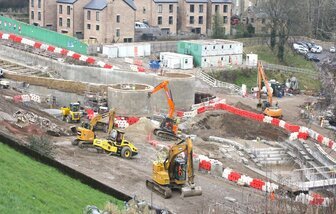
Complete Group is one of the leading civil engineering firms established in the early 1990s in the UK, specializing in innovative and sustainable construction practices. The company offers a wide range of services including design, construction
Ready to start your Project?
Let's Build Together
At Complete Contracting Group, we are committed to understanding your project needs, whether they are small-scale or large-scale developments. To commence your journey with us, simply complete the form provided below. This form allows us to gather essential details about your project, enabling our team to review your requirements thoroughly.
If you prefer a more direct approach, feel free to send your project documents and relevant photographs to projects@completeuk.uk Our team will carefully examine your materials and provide you with a competitive quote, along with an estimated timescale covering the entire project from inception to completion. We look forward to collaborating with you and bringing your project dreams to fruition!