
What is the role of a Civil Engineer in Construction?
This comprehensive guide to civil engineering explores its significance in shaping infrastructure and environment, covering key responsibilities, educational qualifications, and the vital role of project management. Delve into the various specializations, including structural and environmental engineering, and discover how civil engineers contribute to sustainable practices and comply with safety standards. The article highlights innovative technologies and future trends impacting the profession, emphasizing the need for adaptability in a rapidly evolving landscape. Whether you are an aspiring civil engineer or simply interested in understanding how this field influences modern civilization, this resource provides valuable insights into the foundations of civil engineering and its critical impact on urban and rural development.
The Role of a Civil Engineer in Construction: A Comprehensive Overview for the UK
As we delve deeper into the roles and responsibilities of civil engineers within construction, it is essential to recognize their contributions toward building safer, more efficient, and more resilient infrastructure.
The profession’s comprehensive nature not only enhances public safety but also fosters economic growth and societal advancement, making civil engineering a cornerstone of modern civilization.
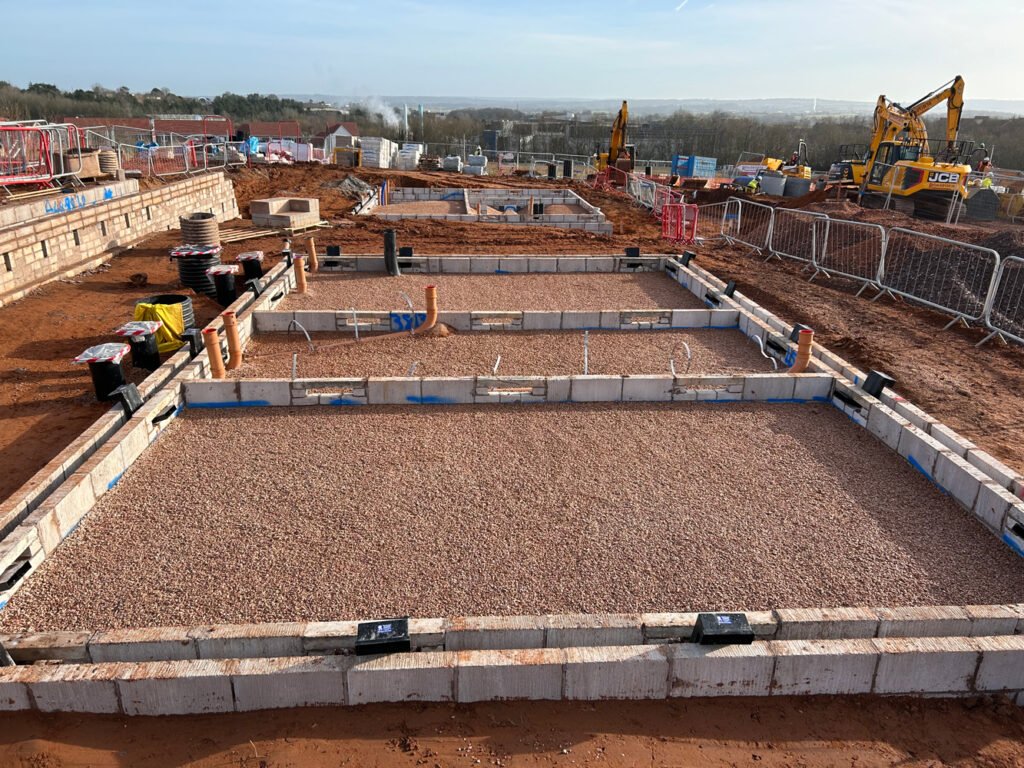
Key Responsibilities of Civil Engineers
Civil engineers play a pivotal role in the construction sector, guiding projects from conception to completion while ensuring a focus on safety, sustainability, and compliance with regulations. One of the primary responsibilities of civil engineers is project planning.
During this phase, engineers assess site conditions, analyze environmental impacts, and liaise with architects and stakeholders to draft initial plans. This collaborative effort lays the groundwork for further development, ensuring that all aspects align with the intended vision of the project.
Once the project has been planned, the design phase begins. Civil engineers utilize advanced software for simulations and modeling to create detailed blueprints that incorporate technical specifications and structural requirements. This includes determining the materials to be used, load considerations, and potential hazards.
By leveraging their expertise in structural integrity, civil engineers ensure that the designs not only meet aesthetic and functional criteria but also adhere to the stringent safety standards mandated by UK regulations.
Moreover, civil engineers are responsible for project management throughout the construction process. They oversee daily operations, coordinate with contractors and subcontractors, and monitor workflow to ensure that the project remains on schedule and within budget. Regular site inspections are conducted to assess compliance with building codes and safety regulations, thus ensuring that all activities align with pre-defined quality standards.
Additionally, civil engineers advocate for sustainable construction practices. They evaluate alternative materials and methods to minimize environmental impact while promoting energy efficiency and durability. By prioritizing sustainability in their designs and construction methodologies, civil engineers contribute significantly to the long-term viability of infrastructure projects.
Educational and Professional Qualifications Required
To embark on a career as a civil engineer in the UK, individuals must fulfill certain educational and professional qualifications. The foundation for becoming a civil engineer typically begins with obtaining a Bachelor’s degree in civil engineering or a related field.
This degree program should be accredited by the Institution of Civil Engineers (ICE) as it ensures that the curriculum meets the necessary standards required for professional practice.
Many aspiring civil engineers opt to pursue further education by enrolling in a Master’s degree program. A Master’s degree not only deepens a candidate’s knowledge but also enhances their employability, making them more competitive in the job market. It is worth noting that specialized areas such as structural, geotechnical, and transportation engineering often require specific expertise that can be developed through advanced study.
In addition to formal education, gaining practical experience through internships or work placements is crucial for aspiring civil engineers. Such experiences provide invaluable insights into real-world applications and the challenges faced in construction projects. Engaging in these opportunities can significantly bolster a candidate’s skill set and understanding of various engineering principles.
Moreover, professional memberships play a vital role in a civil engineer’s career development. Joining the ICE or other recognized bodies is highly beneficial. These organizations provide access to resources, networking opportunities, and ongoing professional development courses.
Achieving Chartered Engineer (CEng) status is a common goal for civil engineers in the UK; this designation signifies a high level of competence and commitment to the profession.
In summary, to become a successful civil engineer in the UK, one must attain the appropriate educational qualifications, gain practical experience, and consider pursuing membership in professional institutions. These steps not only enhance credibility but also support career growth within the engineering sector.
The Importance of Project Management
In the construction industry, effective project management is vital for ensuring that projects are completed on time, within budget, and to the required quality standards. Civil engineers play a pivotal role in this process, leveraging their technical knowledge, analytical skills, and leadership qualities to manage various aspects of construction projects.
Their contributions span from the initial planning phases through to the final execution, making them indispensable to successful outcomes.
One of the key functions of civil engineers in project management is budgeting. They are responsible for estimating costs associated with materials, labor, and equipment, thereby ensuring that financial resources are allocated efficiently. This involves working closely with financial analysts and stakeholders to prepare comprehensive budget proposals and monitoring expenses to prevent cost overruns. By applying their understanding of construction processes, civil engineers can identify potential financial risks early, helping to mitigate them effectively.
Another critical skill that civil engineers bring to project management is scheduling. They utilize various project management tools to develop timelines that outline each phase of construction, ensuring that all tasks are coordinated and sequentially aligned.
By establishing realistic deadlines and setting milestones, civil engineers allow for adjustments as needed, thereby maintaining project momentum and adherence to deadlines. This meticulous attention to scheduling is essential in avoiding delays that can expose projects to escalating costs.
Team coordination is also a core competency of civil engineers. They facilitate communication between various stakeholders, including architects, contractors, and clients, ensuring that everyone is aligned and aware of their responsibilities. Effective team coordination fosters a collaborative environment, essential for addressing challenges that can arise during construction. By leveraging their leadership abilities, civil engineers cultivate a team spirit that enhances productivity and ensures project objectives are met.
Collaboration with Other Professionals
In the multifaceted realm of construction, the role of a civil engineer extends beyond technical expertise; it prominently features collaboration with a variety of professionals. Such cooperative efforts are essential for the successful completion of construction projects. Civil engineers serve as a crucial link among architects, surveyors, contractors, and other specialists, facilitating effective communication and ensuring that the project aligns with established goals and standards.
Working alongside architects, civil engineers assess the architectural plans to ensure that they are structurally sound and feasible. This collaboration is vital, as it enables the integration of design aesthetics with practical engineering considerations.
By addressing potential challenges early in the design process, civil engineers can provide invaluable input that can influence the final outcome of a project, preserving both functionality and design intent.
In addition to architects, civil engineers engage with surveyors to gather crucial land data that informs construction plans. Surveyors provide vital information regarding topography, boundaries, and existing infrastructures, which civil engineers must consider when developing project designs. Such data is essential for ensuring compliance with regulations, optimizing land use, and preventing conflicts during later stages of construction.
The relationship between civil engineers and contractors is equally significant. Civil engineers offer ongoing support during the construction phase, addressing challenges and providing solutions as they arise.
This partnership fosters a proactive environment, where adjustments can be made in real-time, thereby minimizing delays and enhancing overall project efficiency. Furthermore, civil engineers coordinate with various specialists, such as environmental consultants and geotechnical experts, to ensure that all aspects of the project are thoroughly considered and implemented correctly.
Regulatory Compliance and Safety Standards
The role of a civil engineer in ensuring regulatory compliance and safety standards is paramount in the construction industry in the UK. Civil engineers are tasked with the responsibility of integrating various safety protocols into the planning, execution, and completion phases of construction projects.
This multifaceted role not only aids in maintaining structural integrity but also ensures the well-being of all stakeholders involved, including workers, clients, and the general public.
One of the key aspects of a civil engineer’s role is conducting thorough risk assessments. These assessments evaluate potential hazards that may arise during the construction process. Engineers utilize risk management techniques to identify, analyze, and mitigate any risks that could compromise safety or project efficacy. This proactive approach enables professionals to develop solutions that minimize risks and fosters a culture of safety within the work environment.
Moreover, civil engineers must diligently adhere to a plethora of regulations and building codes that govern construction practices within the UK. They must stay abreast of legislative changes and industry standards to ensure that all projects are compliant with legal requirements.
The UK has established several safety standards, such as the Construction (Design and Management) Regulations, which outline the responsibilities of all parties involved in construction projects. This includes ensuring that proper safety measures are implemented and that adequate training is provided for all personnel.
Quality control measures also play a vital role in a civil engineer’s responsibilities. Engineers must oversee that materials and workmanship meet specified standards, which often entails conducting regular site inspections and tests. By monitoring compliance with safety standards and quality benchmarks, civil engineers play a significant role in eliminating defects and ensuring that projects are completed to the highest standards of safety and reliability.
Sustainability in Civil Engineering
In recent years, sustainability has emerged as a critical consideration within the field of civil engineering in the UK. As awareness of environmental issues rises, civil engineers are increasingly tasked with integrating sustainable practices into their projects.
This emphasis on sustainability is not merely a trend; it reflects a profound shift towards environmentally responsible engineering practices that seek to balance development needs with the preservation of natural ecosystems.
Civil engineers play a pivotal role in designing infrastructure that minimizes environmental impact. This includes utilizing sustainable materials, such as recycled aggregates and low-carbon cement, which reduce the carbon footprint of construction. Moreover, innovative design techniques, like green roofs and permeable pavements, are becoming standard practices that offer ecological benefits while enhancing the aesthetic appeal of urban environments.
Furthermore, the adoption of energy-efficient building practices is gaining traction. Civil engineers are now employing advanced technologies that optimize energy use in buildings, such as smart grids and renewable energy sources like solar panels. By designing energy-efficient structures, civil engineers contribute to reducing greenhouse gas emissions and promoting long-term sustainability in the construction sector.
Another critical aspect of sustainability in civil engineering is the concept of resilience. Projects are increasingly being designed to withstand climate change impacts, including flooding and extreme weather events. By considering these factors during the planning and design stages, civil engineers can ensure that infrastructure is not only functional but also sustainable in the face of future challenges.
The collaboration between civil engineers, environmentalists, and urban planners is essential in fostering sustainable development that meets the needs of communities without compromising the health of the planet.
Technological Advancements in Civil Engineering
The field of civil engineering is evolving rapidly, with technological advancements reshaping traditional practices and enhancing efficiency in construction. One of the most significant innovations is Building Information Modeling (BIM), which offers a digital representation of physical and functional characteristics of facilities. BIM transforms the way civil engineers conceptualize a project, allowing for real-time updates and collaboration among all stakeholders, including architects, contractors, and clients.
With BIM, civil engineers can create accurate designs that incorporate various engineering aspects such as structural integrity, energy consumption, and sustainability. This technology facilitates better decision-making as the project progresses, reducing the likelihood of costly errors and delays.
Additionally, the use of BIM aids in the visualization of a project, enabling stakeholders to understand complex systems through 3D models and simulations. This clarity not only improves communication but also enhances overall project management, ensuring that resources are effectively allocated and timelines adhered to.
Another critical advancement is the adoption of drones and aerial imagery, which are used for surveying and monitoring construction sites. Drones provide accurate topographical data and enable real-time site assessments, allowing civil engineers to detect potential issues early in the construction process.
Furthermore, the integration of advanced materials, such as self-healing concrete, smart materials, and sustainable resources, contributes to the longevity and resilience of constructed infrastructure.
Overall, the integration of these technological advancements within civil engineering practices enhances productivity and efficiency. Engineers are equipped with sophisticated tools to execute projects that are not only efficient but also environmentally sustainable and highly functional, meeting the growing demands of modern construction in the UK.
Future Trends and Challenges in Civil Engineering
The landscape of civil engineering in the UK is set to evolve significantly in response to various emerging trends and challenges. One of the primary drivers of change is climate change, which poses substantial risks to infrastructure reliability and sustainability.
Civil engineers will need to integrate resilient design techniques to address issues such as increased flooding, rising sea levels, and extreme weather events. This will require innovative approaches in both new construction and the retrofitting of existing structures to ensure they can withstand the evolving climate conditions.
Another notable trend is rapid urbanization, which is leading to an increasing demand for housing and infrastructure in urban areas. The challenge here lies in balancing the need for development while preserving green spaces and minimizing environmental impact. Civil engineers will play a critical role in designing infrastructure that promotes sustainable living, including efficient public transport systems and green buildings, as well as enhancing the quality of urban life through thoughtful urban planning.
Moreover, as technology advances, the integration of digital tools like Building Information Modeling (BIM) and smart construction methods will become imperative. Civil engineers must not only become proficient in these technologies but also adapt to the ongoing digital transformation that can enhance project efficiency and collaboration.
The rise of artificial intelligence and robotics in construction will also challenge traditional labor roles, prompting the need for skill upgrades and retraining within the workforce.
In addition to these trends, civil engineers will face challenges related to funding and resource allocation, especially as public and private sectors grapple with limited budgets. Navigating regulatory frameworks and ensuring compliance will also continue to be significant factors in project viability. However, these challenges present opportunities for civil engineers to innovate, lead, and redefine standards in the industry, ultimately contributing to a more sustainable and resilient built environment in the UK.

What Are Section 278/104 Agreements?
Section 278 and Section 104 agreements are pivotal in UK infrastructure development, allowing developers to make necessary alterations to highways and drainage systems in compliance with local authority regulations.

What is the CDM 2015 Regulation?
The Construction (Design and Management) Regulations 2015 (CDM 2015) represent a pivotal development in the management of health and safety within the UK construction industry. Designed to enhance the safety standards and communication

What are permanent vs. temporary works?
This comprehensive overview of construction works explores both permanent and temporary structures, essential for infrastructure development and urban planning. Permanent works, which include buildings and bridges, are designed for longevity and stability
What is Civil Engineering?
Explore the fundamental role of civil engineering in shaping modern infrastructure. From ancient civilizations to contemporary practices, this article delves into the diverse disciplines within civil engineering, emphasizing the importance of sustainability and innovative technologies.

Civil Engineer In Construction
This comprehensive guide to civil engineering explores its significance in shaping infrastructure and environment, covering key responsibilities, educational qualifications, and the vital role of project management.
Civil Engineer Differ From An Architect?
Explore the pivotal roles of civil engineers and architects in the construction industry. This comprehensive article delves into their distinct responsibilities, educational pathways, and collaborative efforts.

Construction Civil Engineering
Discover the pivotal role of civil engineering in shaping our infrastructure and society. This comprehensive guide covers the essential facets of construction civil engineering, including its branches, key responsibilities
Civil Engineering Firms
Complete Group is one of the leading civil engineering firms established in the early 1990s in the UK, specializing in innovative and sustainable construction practices. The company offers a wide range of services including design, construction
Ready to start your Project?
Let's Build Together
At Complete Contracting Group, we are committed to understanding your project needs, whether they are small-scale or large-scale developments. To commence your journey with us, simply complete the form provided below. This form allows us to gather essential details about your project, enabling our team to review your requirements thoroughly.
If you prefer a more direct approach, feel free to send your project documents and relevant photographs to projects@completeuk.uk Our team will carefully examine your materials and provide you with a competitive quote, along with an estimated timescale covering the entire project from inception to completion. We look forward to collaborating with you and bringing your project dreams to fruition!