
What is the CDM 2015 Regulation?
The Construction (Design and Management) Regulations 2015 (CDM 2015) represent a pivotal development in the management of health and safety within the UK construction industry. Designed to enhance the safety standards and communication among all parties involved in construction projects, CDM 2015 emphasizes proactive risk management, clear allocation of responsibilities, and collaboration between clients, designers, contractors, and workers. By fostering a culture of safety from the planning phase through to completion, these regulations aim to significantly reduce risks, improve health outcomes, and promote compliance within the industry. This comprehensive overview explores the key objectives, roles, and essential duties outlined in CDM 2015, providing insights into effective health and safety practices that can transform the construction environment.
Understanding the CDM 2015 Regulation: A Comprehensive Guide
The Construction Design and Management (CDM) 2015 Regulation represents a significant evolution in the way health and safety is managed in the UK construction industry.
Established by the Health and Safety Executive (HSE), the primary aim of CDM 2015 is to ensure the health, safety, and welfare of all individuals involved in construction projects, from clients and designers to workers on-site.
As such, it serves to not only protect these individuals but also minimize risks throughout the entirety of the construction process.
One of the fundamental changes introduced by the CDM 2015 Regulation is the clearer allocation of responsibilities among all parties involved in construction projects.
Unlike its predecessor, the CDM 2007, which adopted a reactive approach predominantly addressing risk, the 2015 version emphasizes a proactive stance towards health and safety management.
By encouraging collaboration and communication from the initial stages of a project, CDM 2015 fundamentally aims to foster a culture that prioritizes safety and risk mitigation.
The context surrounding the development of the CDM 2015 Regulation arises from a growing recognition of the need for improved safety practices in construction, a sector that has historically faced numerous health and safety challenges.
In light of this, the regulation was designed not only to meet legal obligations but also to respond to emerging trends and best practices, reflecting a more holistic approach to managing safety.
Furthermore, CDM 2015 recognizes the importance of effective planning and coordination, with the belief that better decision-making early in the project lifecycle can lead to safer outcomes and reduced costs associated with accidents and incidents.
Overall, the CDM 2015 Regulation is crucial in shaping the current landscape of construction safety in the UK, providing a framework that seeks to enhance the overall quality of the construction environment.
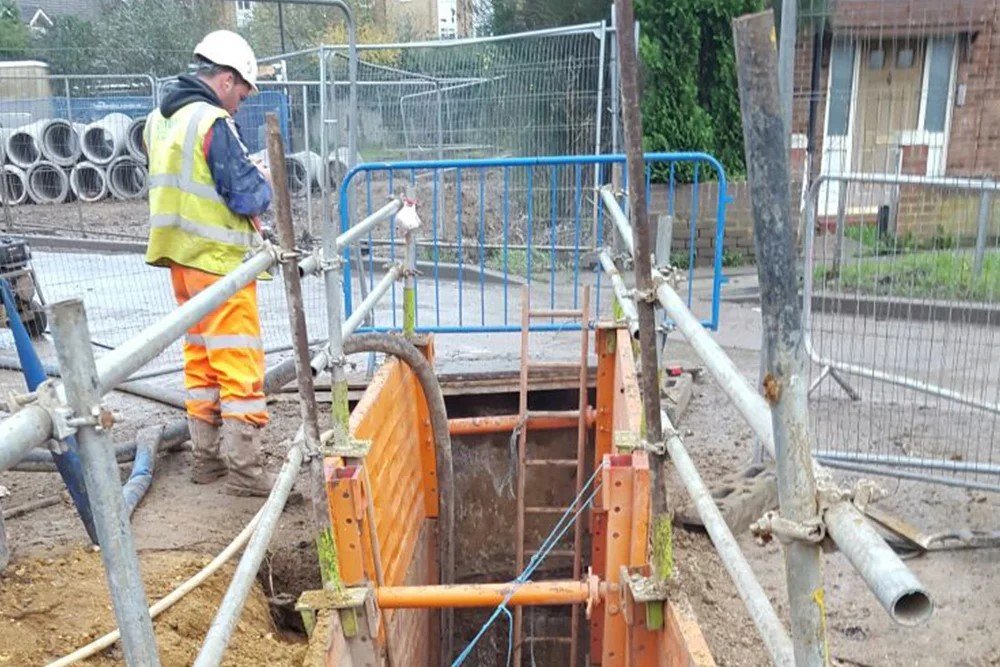
Key Objectives of the CDM 2015 Regulation
The Construction (Design and Management) Regulations 2015 (CDM 2015) serve as a legislative framework designed to improve health and safety in construction projects. One of the primary objectives of CDM 2015 is to enhance the health and safety aspects of construction work throughout the lifecycle of a project. This regulation seeks to ensure that all parties involved in the construction process adhere to high safety standards and regulations from the planning phase through to the completion of the project.
Another significant aim of the CDM 2015 Regulation pertains to the planning processes involved in construction projects. The regulation advocates for thorough risk assessments and the implementation of appropriate measures to mitigate potential hazards.
By placing a strong emphasis on early planning, CDM 2015 seeks to identify risks proactively, which allows for safer working conditions and more efficient project execution. This forward-thinking approach enables stakeholders to strategize effectively, minimizing disruptions and risks linked to health and safety.
Collaboration among stakeholders is also a crucial objective of the CDM 2015. The regulation emphasizes the importance of communication and cooperation between designers, contractors, and clients. This collaborative approach ensures that everyone understands their responsibilities regarding health and safety and contributes to establishing a safety-first culture within the construction industry. Through defined roles and open dialogue, all stakeholders can work together to identify potential issues and implement solutions effectively.
Ultimately, the objectives of the CDM 2015 Regulation are designed to create a safer working environment, improve the planning processes for construction, and promote a culture of collaboration among all people involved in a project. By achieving these goals, the regulation aims to significantly reduce risks throughout the project lifecycle.
Who is Affected by the CDM 2015 Regulation?
The Construction (Design and Management) Regulations 2015, commonly known as CDM 2015, significantly impact various stakeholders within the construction industry. Understanding who is affected is crucial for ensuring compliance and enhancing safety throughout project phases.
The primary parties involved include clients, designers, contractors, and workers, each of whom has specific roles and responsibilities under the regulations.
Clients, as the individuals or organizations commissioning construction projects, hold a vital role. They are responsible for ensuring that all parties engaged in the project work together effectively to manage health and safety risks. Clients must appoint a competent principal designer and principal contractor to ensure that design and construction practices adhere to the CDM regulations. This collaboration enhances accountability and reinforces safety measures across the project lifecycle.
Designers also have a pivotal role in the CDM framework. They are tasked with identifying potential risks during the design phase and taking necessary steps to eliminate or reduce these risks. Designers must ensure that their plans and design solutions facilitate health and safety throughout the construction process and beyond. Their input is essential in fostering a culture of safety and preventing accidents or injuries that may arise due to inadequate planning.
Contractors are equally responsible for upholding the principles of the CDM regulations. They must plan, manage, and monitor construction work, ensuring that it complies with health and safety standards. Contractors are also responsible for the welfare of their workers on-site, making sure all necessary precautions are in place to mitigate risks.
Their active participation in safety protocols and communication with other stakeholders is vital for the smooth implementation of the regulation.
Finally, workers are directly affected by the CDM regulations as they are on the frontlines of construction projects. Workers have the right to work in safe environments and are encouraged to engage in dialogues about health and safety practices. Their awareness of risks and understanding of safety measures contribute significantly to the overall safety culture within the industry.
Key Duties Under the CDM 2015 Regulation
The Construction (Design and Management) Regulations 2015 (CDM 2015) outlines specific duties that various parties must adhere to ensure health and safety throughout the construction process. Understanding these key responsibilities is paramount for compliance and risk management.
Firstly, the client must ensure that health and safety considerations are integrated into the project from the outset. This includes appointing a principal designer and a principal contractor, providing adequate resources, and ensuring that all relevant information regarding risks is shared with those involved.
Moreover, clients hold the ultimate responsibility for ensuring that the project complies with health and safety regulations, which calls for active engagement in its execution.
Next, designers are tasked with the duty to eliminate foreseeable risks during the design phase. They are required to consider health and safety when designing structures and to communicate any potential hazards to the client and other stakeholders.
Designers must also develop safe systems of work, ensuring that design innovation does not compromise safety standards. When planning their designs, they should aim to ensure that construction can be carried out safely.
Contractors, on the other hand, hold significant obligations as they are responsible for the execution of the construction work. They must follow the health and safety plan, manage risks effectively, and ensure the safety of workers during construction. Contractors must also provide adequate training and supervision to ensure a safe working environment.
Additionally, workers are expected to adhere strictly to the safety protocols established by both clients and contractors, carry out their responsibilities diligently, and report any hazards or unsafe conditions they encounter.
Overall, effective collaboration and clear communication among all parties are essential for fulfilling the duties under the CDM 2015 Regulation. Compliance not only protects the workforce but also facilitates a safer construction culture, ultimately benefiting all stakeholders involved.
The Role of the Principal Designer and Principal Contractor
The Construction (Design and Management) Regulations 2015, commonly referred to as CDM 2015, have established crucial roles within the construction industry to promote health, safety, and effective management throughout design and construction phases. Two primary figures within this framework are the Principal Designer and the Principal Contractor, each holding distinct responsibilities aimed at ensuring compliance with the regulation.
The Principal Designer is designated to oversee the pre-construction phase. This role ensures that health and safety considerations are integrated into the design process from the outset.
The Principal Designer coordinates with all designers, advising them on their duties under the CDM regulations. They are responsible for preparing and updating the Health and Safety file, which serves as a vital information resource for the project. Furthermore, they must ensure that risks are identified early in the design process and that suitable measures are implemented to mitigate these risks. Therefore, effective communication and collaboration with the design team are paramount to fulfilling their responsibilities.
On the other hand, the Principal Contractor plays a crucial role during the construction phase. This individual or organization is tasked with managing the construction site and ensuring that all workers are working safely and in compliance with health and safety regulations.
The Principal Contractor must develop a construction phase plan that outlines how health and safety will be managed on site. This plan should incorporate the information provided by the Principal Designer regarding potential risks. Moreover, the Principal Contractor has a duty to coordinate all contractors and workers on site, promoting a culture of safety and compliance among all parties involved in the project.
Health and Safety Performance Indicators
The Construction (Design and Management) Regulations 2015 (CDM 2015) established various health and safety performance indicators as essential tools for measuring success on construction projects. These indicators facilitate tracking progress throughout the project lifecycle, ensuring that health and safety standards are not only met but also continuously improved upon. By focusing on quantifiable data, stakeholders can identify areas that require attention and implement corrective measures promptly.
Key performance indicators (KPIs) under CDM 2015 include incident rates, near-miss reporting, and compliance with safety training requirements. Incident rates typically reflect the number of workplace accidents, providing a quantitative measure of safety performance. A consistently low incident rate indicates a proactive health and safety culture, whereas rising rates may signal underlying issues that need resolution.
Near-miss reporting serves as another critical indicator, encouraging workers to report situations that could have resulted in accidents. By harnessing this data, project managers can identify hazardous conditions before they lead to injuries or occupational diseases. This proactive approach fosters a culture of safety and empowers employees by ensuring their observations are valued.
Furthermore, compliance with safety training requirements helps measure the effectiveness of health and safety programs. Ensuring that workers are adequately trained not only reduces risks on-site but also enhances overall awareness among all project participants. Monitoring the percentage of workers who have completed required training can serve as a robust indicator of the commitment to health and safety.
Overall, the integration of health and safety performance indicators into project management strategies reinforces the principles of CDM 2015. These indicators not only help organizations track their progress but also promote a culture of safety, reducing risks and fostering a healthier work environment for all stakeholders involved in the construction process.
Incorporating Risk Management in CDM 2015
The Construction (Design and Management) Regulations 2015 (CDM 2015) significantly emphasize the incorporation of risk management principles into the construction process. One of the primary objectives of these regulations is to enhance the health and safety of all individuals involved in construction projects by ensuring that risk assessment is a fundamental aspect of project planning and execution. Risk management in CDM 2015 involves systematically identifying potential hazards and evaluating associated risks at the earliest stages of a project.
Effective risk management practices require that all parties involved, including designers, contractors, and clients, actively participate in the identification and management of risks. This collaborative approach is crucial as it allows for comprehensive insights into potential dangers that may arise at different construction phases. Early identification of hazards not only facilitates timely intervention strategies but also fosters a culture of safety awareness among the workforce.
Risk assessment forms the core of the CDM 2015’s framework, mandating that a thorough examination of risks is conducted prior to and throughout the construction process. This assessment should take into account various factors including site conditions, nature of the work, materials used, and the experience level of the workforce. Recognizing and addressing risks related to falls, exposure to harmful substances, and machinery accidents is essential for safeguarding worker health.
Moreover, by integrating risk management into the CDM framework, stakeholders are encouraged to devise mitigation strategies and implement safety measures proactively. The aim is not just to comply with legal requirements but to cultivate an environment where health and safety are paramount. Consequently, this approach seeks to minimize accidents and create a safer workplace for all, reinforcing the importance of risk management in achieving successful construction outcomes.
Training and Competency Requirements
The Construction (Design and Management) Regulations 2015 (CDM 2015) emphasize the critical role of training and competency in ensuring a safe and effective construction environment. These regulations underscore that all individuals involved in construction projects must possess the required skills and knowledge necessary for their roles. This emphasis on competency is not only essential for maintaining safety but also for enhancing the overall efficiency of construction practices.
Under the CDM 2015 regulations, employers have a fundamental duty to ensure that their workforce is adequately trained. This involves providing initial training and facilitating ongoing professional development opportunities. Continuous professional development ensures that employees remain knowledgeable about current regulations, new technologies, and best practices within the industry. The requirement for training applies to all personnel, from managers and supervisors to laborers, emphasizing the need for a comprehensive understanding of health and safety protocols.
An important aspect of competency is the recognition that construction environments are dynamic, inevitably leading to changes in processes, technologies, and regulations. Consequently, training should be regularly updated to align with these changes. The CDM 2015 guidelines specify that organizations should foster a culture of continuous improvement where training is integrated into daily operations, promoting an environment where health and safety is prioritized.
Furthermore, performance assessments should be a regular part of the training process. Regular evaluations help to identify any gaps in knowledge or skills among employees, allowing for targeted training to address those areas. By adhering to these requirements, organizations not only comply with the CDM 2015 regulations but also contribute to a safer and more competent workforce capable of addressing the challenges within the construction industry.
Enforcement and Compliance with the CDM 2015 Regulation
The enforcement of the CDM 2015 Regulation is primarily overseen by the Health and Safety Executive (HSE), which plays a critical role in ensuring that everyone involved in the construction process adheres to the regulations.
The HSE is tasked with various responsibilities, including inspecting construction sites, investigating accidents, and promoting compliance among duty holders. Its proactive approach includes guidance and support for businesses to understand their responsibilities under the CDM regulations, fostering a culture of safety in the construction industry.
Compliance with the CDM 2015 Regulation is not only a statutory requirement but also a vital aspect of ensuring the safety and health of workers on construction sites.
Duty holders, including clients, designers, and contractors, are required to implement effective management systems to uphold safety standards. This necessitates proper planning, risk assessment, and coordination to mitigate potential hazards. Adequate training and clear communication of safety protocols are also essential components of compliance, ensuring that all personnel are aware of their roles and responsibilities.
Failure to comply with the CDM 2015 Regulation can lead to significant repercussions, including legal action, financial penalties, and, in severe cases, prosecution. The HSE’s enforcement policy emphasizes accountability and encourages self-regulation among stakeholders in construction.
By imposing sanctions on non-compliance, the HSE aims to deter inadequate safety practices and uphold the integrity of the construction industry. Promoting adherence to the CDM regulations helps create a safer working environment, ultimately benefiting the health and welfare of all individuals involved in construction activities.

What Are Section 278/104 Agreements?
Section 278 and Section 104 agreements are pivotal in UK infrastructure development, allowing developers to make necessary alterations to highways and drainage systems in compliance with local authority regulations.
What is the CDM 2015 Regulation?
The Construction (Design and Management) Regulations 2015 (CDM 2015) represent a pivotal development in the management of health and safety within the UK construction industry. Designed to enhance the safety standards and communication

What are permanent vs. temporary works?
This comprehensive overview of construction works explores both permanent and temporary structures, essential for infrastructure development and urban planning. Permanent works, which include buildings and bridges, are designed for longevity and stability
What is Civil Engineering?
Explore the fundamental role of civil engineering in shaping modern infrastructure. From ancient civilizations to contemporary practices, this article delves into the diverse disciplines within civil engineering, emphasizing the importance of sustainability and innovative technologies.
Civil Engineer In Construction
This comprehensive guide to civil engineering explores its significance in shaping infrastructure and environment, covering key responsibilities, educational qualifications, and the vital role of project management.
Civil Engineer Differ From An Architect?
Explore the pivotal roles of civil engineers and architects in the construction industry. This comprehensive article delves into their distinct responsibilities, educational pathways, and collaborative efforts.
Construction Civil Engineering
Discover the pivotal role of civil engineering in shaping our infrastructure and society. This comprehensive guide covers the essential facets of construction civil engineering, including its branches, key responsibilities
Civil Engineering Firms
Complete Group is one of the leading civil engineering firms established in the early 1990s in the UK, specializing in innovative and sustainable construction practices. The company offers a wide range of services including design, construction
Ready to start your Project?
Let's Build Together
At Complete Contracting Group, we are committed to understanding your project needs, whether they are small-scale or large-scale developments. To commence your journey with us, simply complete the form provided below. This form allows us to gather essential details about your project, enabling our team to review your requirements thoroughly.
If you prefer a more direct approach, feel free to send your project documents and relevant photographs to projects@completeuk.uk Our team will carefully examine your materials and provide you with a competitive quote, along with an estimated timescale covering the entire project from inception to completion. We look forward to collaborating with you and bringing your project dreams to fruition!