
What Building Materials Are Used to Build a Retaining Wall
Explore the essential guide to retaining walls, their significance in landscape stability, and various construction materials. This comprehensive article delves into the different types of retaining walls used in the UK, such as concrete, brick, natural stone, and timber, emphasizing their unique properties, benefits, and aesthetic appeal. Understand the critical factors in selecting suitable materials for your project, including soil conditions, climate considerations, and design preferences. Learn how innovative solutions like gabion walls and reinforced earth systems are reshaping retaining wall construction and enhancing environmental sustainability. Whether you're a homeowner, landscaper, or contractor, equip yourself with the knowledge to make informed decisions for durable and attractive retaining walls.
Building Materials for Retaining Walls in the UK: A Comprehensive Guide
When considering the construction of a retaining wall, it is imperative to evaluate the materials used.
Factors such as structural strength, aesthetic value, and environmental impact should all influence the decision-making process.
High-quality materials not only function effectively in holding back soil but also enhance the overall appearance of the landscape.
In the following sections, we will explore various building materials suitable for retaining walls, focusing on their advantages and applications in the context of the UK.
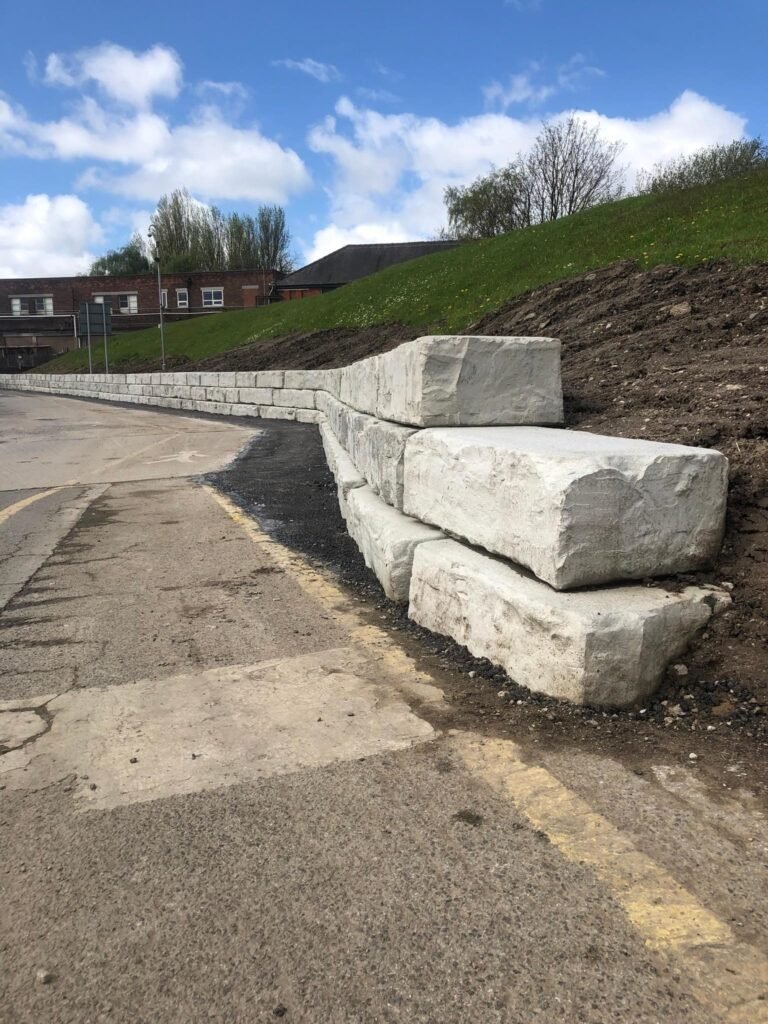
Concrete: The Building Block of Retaining Walls
Concrete is widely regarded as one of the primary materials for constructing retaining walls due to its inherent strength and versatility. Among the various forms of concrete, two predominant types are notably used: poured concrete and precast concrete blocks. Each form offers distinct advantages, making concrete a preferred choice for many civil projects in the UK.
Poured concrete, mixed on-site or off-site, provides a seamless monolithic structure that is exceptionally resilient against hydrostatic pressure and soil erosion.
This form not only ensures a strong foundation for the wall but also allows for customization in terms of shape and height, enabling engineers and architects to meet specific project requirements. The ability to integrate reinforcements, such as rebar or wire mesh, further enhances structural integrity, proving essential for walls subjected to substantial lateral loads.
On the other hand, precast concrete blocks emerge as a favorable alternative due to their ease of installation and consistent quality. Prefabricated in controlled environments, these blocks can be manufactured to meet varying design specifications, thus facilitating rapid assembly on-site.
Additionally, their modular design simplifies the maintenance process, making repairs straightforward without compromising the wall’s overall functionality.
Durability is a hallmark of concrete as a material for retaining walls. Resistant to weathering, pests, and decay, concrete performs admirably over extended periods, which is vital for structures that must withstand environmental stresses. Furthermore, its low maintenance requirements translate into long-term cost savings for property owners and developers.
Financially, while the initial investment in concrete may be higher than alternative materials, the long-lasting durability and reduced maintenance needs often justify the expenditure. Overall, concrete remains a vital building block for retaining walls, catering to diverse engineering demands while ensuring stability and longevity.
Brick and Block Retaining Walls
Brick and concrete blocks are among the most traditional materials used in the construction of retaining walls in the UK. These materials offer a combination of aesthetic appeal and structural integrity, making them a popular choice for both residential and commercial projects.
One of the main advantages of brick retaining walls is their visual appeal. Brick comes in a variety of colors, sizes, and textures, allowing for creative design possibilities. This variety can enhance landscape aesthetics significantly and blend seamlessly with the surrounding environment. Additionally, bricks offer durability and resistance to environmental factors, making them a long-lasting option for retaining structures.
Concrete blocks, on the other hand, provide excellent structural support and can bear substantial loads. They are available in standard sizes and can be easily stacked, facilitating efficient construction. Unlike bricks, concrete blocks can also be reinforced to increase their strength, enabling them to handle more significant pressure from soil or water.
This characteristic makes concrete block retaining walls particularly effective for larger-scale projects such as commercial spaces or public infrastructure.
However, both brick and block materials have their limitations. Brick walls can be prone to cracking under excessive pressure or movement, especially in areas with expansive soils. Additionally, they can be more labor-intensive to install due to the need for precise mortar application. Concrete blocks are often heavier and larger, which might lead to higher transportation and handling costs.
In conclusion, the selection of brick or block for retaining wall construction should consider both the aesthetic requirements and structural demands of the project. Whether used in residential gardens or as part of larger commercial developments, these materials provide reliable solutions tailored to diverse needs while ensuring durability and functionality.
Natural Stone: An Elegant Option
Natural stone has remained a favored material for constructing retaining walls due to its aesthetic appeal and inherent durability. Among the various types of stone available, sandstone, limestone, and granite are particularly popular choices in the UK. These materials provide not only functionality but also a natural beauty that can enhance the overall landscape.
Sandstone, characterized by its warm hues and textured surface, is well-suited for rustic designs. Its ability to withstand weathering makes it an excellent option for regions with fluctuating climate conditions. Furthermore, sandstone offers a range of colors and patterns, allowing for customization that can blend seamlessly into gardens and natural surroundings.
Limestone, another widely used option, is noted for its unique formations and soft tones. It is often found in areas with limestone deposits, making it readily accessible and cost-effective. The advantages of limestone include easy workability and a natural ability to resist cracking, making it suitable for retaining walls on slopes or in areas prone to movement.
Granite is celebrated not only for its strength but also for its longevity. This igneous rock is highly resistant to erosion and can withstand environmental stressors, which makes it ideal for heavy-duty retaining applications. Despite its higher cost compared to sandstone and limestone, the durability and minimal maintenance of granite can justify its expense over time.
When considering environmental impact, natural stone’s key benefit is that it is a non-toxic, biodegradable material. In addition, utilizing locally-sourced stones reduces carbon emissions associated with transportation. However, it is important to assess the geological extraction methods and their sustainability to ensure minimal disruption to the environment.
In conclusion, natural stone provides an elegant option for retaining walls, combining visual appeal with exceptional durability. Its various forms, including sandstone, limestone, and granite, offer unique benefits suited to different landscapes and environmental contexts, making them a valuable choice in retaining wall construction.
Timber: A Sustainable Choice
Timber has gained popularity as a sustainable choice for constructing retaining walls due to its aesthetic appeal and environmental advantages. Various types of wood can be used for this purpose, including treated pine and hardwoods such as oak and larch.
Treated pine, in particular, is often favored in the UK for its durability and affordability. This type of timber undergoes a treatment process that enhances its resistance to moisture, rot, and pests, making it suitable for use in retaining structures that are exposed to the elements.
When considering hardwoods, they often come with a higher price tag but offer significant longevity and strength. Species like oak provide resilience against the pressures imposed by soil and water, which is particularly beneficial for retaining walls.
While hardwoods can be more sustainable in the long term due to their longevity, their sourcing must be carefully managed to ensure they come from well-managed forests that adhere to sustainability practices.
Maintenance is a critical aspect when it comes to timber retaining walls. While wood is a naturally resilient material, it does require occasional upkeep to prolong its lifespan. Regular inspections for signs of wear, such as cracks, warping, or insect damage, should be conducted.
Applying sealants can further protect the wood, although it is essential to choose eco-friendly products to maintain the sustainability factor. Additionally, timber should not be placed in direct contact with soil, which can lead to faster deterioration. Instead, using a barrier, such as landscaping fabric, can help extend the life of the wood.
Overall, timber presents a viable and attractive option for retaining walls when appropriate care and consideration are implemented. Its natural properties, alongside its aesthetic qualities, make it a worthy consideration for environmentally conscious builders and homeowners alike.
Gabion Walls: An Innovative Solution
Gabion walls have emerged as an innovative and practical solution for retaining structures, particularly in the UK, where both aesthetic and functional qualities are paramount.
These walls consist of wire cages, commonly made from galvanized steel, filled with natural stones or other suitable materials. The construction process is notably straightforward, as one only needs to stack and fill these cages to form a robust retaining wall that can effectively manage soil and moisture levels.
One of the primary advantages of gabion walls is their excellent drainage capabilities. The gaps between the stones allow water to flow freely, reducing the risk of hydrostatic pressure build-up behind the wall.
This characteristic not only prolongs the wall’s life but also enhances stability under various weather conditions. Due to their flexibility in construction, gabion walls can be easily adapted to various site conditions and landscaping requirements. This adaptability is beneficial for projects ranging from residential gardens to extensive civil engineering applications.
Moreover, gabion walls provide significant aesthetic benefits. With the use of local stone, these structures can blend harmoniously into the surrounding landscape, offering a natural appearance that traditional concrete alternatives often lack. The variety in stone types and sizes allows for creativity in design, making gabion walls a popular choice among landscape architects and property owners who prioritize both functionality and visual appeal.
Gabion walls have a wide range of applications, including garden landscaping, riverbank stabilization, and as noise barriers in urban areas. Additionally, they contribute positively toward environmental sustainability by utilizing recycled materials where possible. In conclusion, the versatility, functionality, and aesthetics of gabion walls position them as a superior choice for modern retaining wall construction in the UK.
Reinforced Earth: A Modern Technique
Reinforced earth systems represent a sophisticated approach to constructing retaining walls, integrating soil with high strength materials to enhance stability and performance.
This innovative method employs geogrids or geotextiles, which are either plastic or metallic fabrics, to provide critical structural support within the soil mass. The incorporation of these reinforcing elements effectively creates a composite material that increases the overall strength and stability of the wall, making it more resilient against lateral earth pressures.
One of the primary materials used in reinforced earth systems is granular soil, which serves as the primary fill. The geogrids or geotextiles are strategically placed within the soil layers, forming a network that distributes loads evenly. This allows for the vertical reinforcement of the wall, giving it the capability to support substantial loads while minimizing lateral movement.
Additionally, the flexibility of these materials accommodates various soil conditions and configurations, making reinforced earth adaptable to different construction scenarios.
Reinforced earth is particularly beneficial in areas where traditional retaining wall materials may struggle, such as in locations with poor drainage or soft soils. It is also advantageous in sites subjected to seismic activity, as its flexibility can dissipate forces that would otherwise compromise conventional structures.
The method allows for the construction of walls that are not only aesthetically pleasing but also eco-friendly due to the minimal excavation and limited material requirements compared to conventional concrete walls. Overall, the reinforced earth technique highlights the advancements in engineering practices, providing durable and effective solutions for landscape management and earth retention.
Factors in Material Selection
Choosing the right materials for a retaining wall project is critical to ensuring its longevity and functionality. Several factors must be taken into consideration during this selection process, including soil conditions, climate, load requirements, and design preferences. These elements should guide homeowners and contractors alike in making informed decisions.
First and foremost, soil conditions play a crucial role in material selection. The type of soil, its drainage capacity, and saturation levels can greatly influence the design and material used. For instance, sandy or loose soils may necessitate the use of more robust materials that can withstand potential erosion and shifting. Conversely, stable clay soils might allow for a lighter construction approach.
Climate is another key factor to consider. In regions with significant rainfall or snowfall, materials that are resilient to moisture are paramount. Water-resistant options not only enhance durability but also minimize the risk of mold and decay. Various materials, such as concrete blocks or treated timber, may offer the needed resilience under such conditions.
Load requirements are equally important, as retaining walls must be designed to withstand lateral pressures from soil and other natural forces. The chosen materials should have sufficient strength to support expected loads without succumbing to deformation. This may involve calculations to determine appropriate wall heights and material thicknesses, thus influencing the overall design.
Lastly, design preferences cannot be overlooked. Aesthetic considerations vary greatly among homeowners and can influence the choice between more traditional materials like stone and more contemporary options such as modular blocks. Homeowners should harmonize their vision with the functional requirements of their retaining walls, which can yield a balance between functionality and visual appeal.
Conclusion: Choosing the Right Material
In summary, selecting the appropriate materials for constructing retaining walls in the UK is a critical decision that directly impacts the durability, functionality, and aesthetic appeal of the structure. Various options are available, each offering unique attributes that address different project requirements. From traditional brick and stone to modern concrete blocks and treated timber, understanding the inherent qualities of each material is essential for successful implementation.
Firstly, it is important to consider the specific environmental conditions of the site. Factors such as soil type, moisture levels, and potential plant growth can influence the performance of materials. For instance, concrete is highly effective against lateral soil pressure but may require additional drainage solutions to mitigate moisture buildup. Meanwhile, natural stone provides a timeless appearance but may necessitate enhanced foundation support due to its weight.
Furthermore, budget constraints and maintenance expectations should also guide the material selection process. While some materials entail a higher initial investment, they may offer lower long-term maintenance costs or extended lifespans. On the other hand, more affordable options might demand frequent repairs and replacements, ultimately leading to increased expenses over time.
Finally, consulting with industry professionals can greatly assist in determining the most suitable materials for individual projects. Engineers and landscape architects can offer valuable insights grounded in experience, ensuring that the selected materials align with structural integrity and aesthetic goals. Ultimately, considering all these factors will aid in making an informed decision and contribute to the longevity and success of the retaining wall project.
What is a Retaining Wall?
Discover the essential aspects of retaining walls in landscape architecture. This comprehensive guide covers the types of retaining walls, materials used, and key design considerations. Learn about the construction process, regulations, and maintenance tips to ensure stability and longevity.
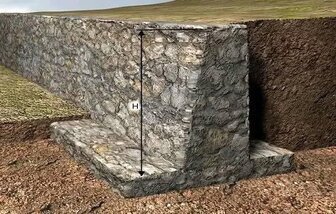
Types of Retaining Walls
This comprehensive guide explores the various types of retaining walls utilized in the UK, including gravity, cantilever, counterfort, sheet piling, anchored, and segmental walls. Learn about the function and advantages of each design, their practical applications in landscaping and civil engineering
Purpose of Retaining Walls?
Discover the importance of retaining walls in landscaping and structural engineering. Learn about different types of retaining walls such as gravity walls, cantilever walls, sheet piling walls, and anchored walls.
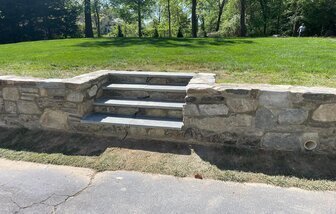
Garden Retaining walls
Garden retaining walls are essential for managing sloped terrains and preventing soil erosion, enhancing both the aesthetics and functionality of outdoor spaces. These walls not only hold back soil but also create distinct planting areas
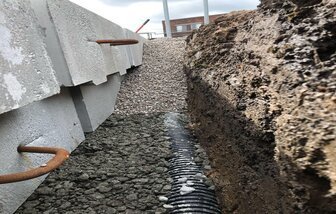
Building Retaining Walls
This comprehensive guide explores the essentials of building retaining walls, covering their significance in preventing soil erosion and enhancing landscapes. Learn about different types of retaining walls, crucial planning requirements, and the materials needed for construction.

Foundation Depths For Retaining Walls
This article delves into the essential aspects of retaining walls, focusing on foundation depth requirements critical for stability and safety. It examines different types of retaining walls—gravity, cantilever, and anchored

How to maintain Retaining Walls
The maintenance of retaining walls is imperative to ensure their longevity and functionality. Over time, factors such as water infiltration, soil settlement, and vegetation growth can compromise wall integrity.
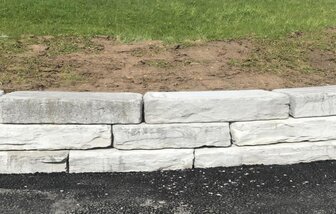
Retaining Wall Building Materials
Explore the essential guide to retaining walls, their significance in landscape stability, and various construction materials. This comprehensive article delves into the different types of retaining walls used in the UK
Ready to start your Project?
Let's Build Together
At Complete Contracting Group, we are committed to understanding your project needs, whether they are small-scale or large-scale developments. To commence your journey with us, simply complete the form provided below. This form allows us to gather essential details about your project, enabling our team to review your requirements thoroughly.
If you prefer a more direct approach, feel free to send your project documents and relevant photographs to projects@completeuk.uk Our team will carefully examine your materials and provide you with a competitive quote, along with an estimated timescale covering the entire project from inception to completion. We look forward to collaborating with you and bringing your project dreams to fruition!