
How to Maintain Retaining Walls in the UK
Retaining walls are essential structures that prevent soil erosion and manage water runoff in both residential and commercial properties. Constructed from materials like concrete, stone, or timber, these walls play a vital role in maintaining the stability of landscapes, especially in areas with elevation changes. Regular inspection and maintenance are crucial to ensure their durability, as they protect gardens and building foundations from structural damage. This guide discusses the importance of retaining walls, how to maintain them effectively, and why understanding their application is vital for property owners in the UK. Discover tips on inspection, cleaning, and when to consult a professional to keep your retaining walls in optimal condition.
Understanding Retaining Walls: Importance and Maintenance Guide
The maintenance of retaining walls is imperative to ensure their longevity and functionality.
Over time, factors such as water infiltration, soil settlement, and vegetation growth can compromise wall integrity.
Regular inspections and maintenance practices, such as clearing drainage systems, repairing cracks, and managing vegetation, are essential in prolonging the life of these structures.
Neglecting to maintain retaining walls can lead to serious issues, including structural failure, which may result in extensive and costly repairs.
Thus, understanding the significance of retaining walls and their maintenance is essential for property owners in the UK who aim to preserve their investments and ensure landscape stability.
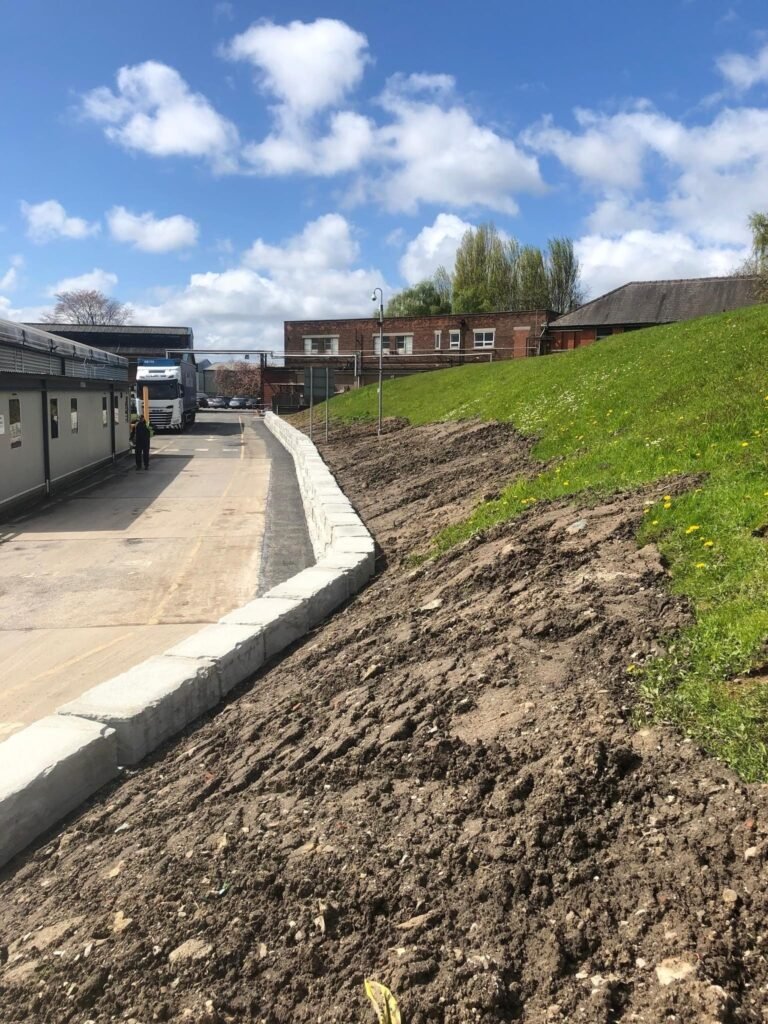
The Importance of Regular Inspections
Regular inspections of retaining walls are paramount for ensuring their structural integrity and longevity. Retaining walls, designed to hold back soil and prevent erosion, can face various challenges over time, including water accumulation, soil movement, and weathering.
Without periodic assessments, potential weaknesses may go unnoticed, potentially leading to catastrophic failures, costly repairs, or even endangering public safety.
One of the most significant risks associated with neglected inspections is the development of cracks, bulges, or shifts in the wall’s structure. These signs often indicate underlying issues, such as inadequate drainage or soil issues, which, if left unaddressed, can result in the complete failure of the retaining wall.
Additionally, over time, vegetation can grow near or on the wall, which may further exacerbate these structural issues by increasing moisture levels or adding excessive weight.
The frequency of inspections will depend on several factors including the height of the wall, soil composition, and environmental conditions. As a general guideline, it is recommended to conduct thorough inspections at least twice a year—once in the spring and once in the fall.
However, more frequent checks may be warranted after severe weather events or significant rainfall. Property owners should also be vigilant for any sudden signs of distress, such as visible leaning or tilting, and seek immediate professional assessment if observed.
By prioritizing regular inspections and maintenance, property owners can mitigate risks and prolong the lifespan of their retaining walls. Such proactive measures not only enhance the stability of the structure but also preserve the surrounding landscape, preventing soil erosion and maintaining the aesthetic appeal of the property. Investing time in regular checks proves beneficial for both the safety and functionality of retaining walls.
Identifying Signs of Damage
Maintaining the integrity of retaining walls is crucial for their functionality and longevity. Identifying signs of damage during regular inspections can help prevent costly repairs and ensure the safety of the surrounding area. The following indicators should be monitored closely to detect any potential issues.
Cracks are one of the most common signs of damage in retaining walls. These fissures can range from minor hairline fractures to deep, wide cracks. Small cracks may not pose an immediate threat; however, they can lead to more significant problems if left unaddressed. As water seeps through these cracks, it can weaken the structure, leading to further deterioration over time. Therefore, it is vital to regularly evaluate the size and progression of any cracks present.
Another critical sign to look for is bulging. If a retaining wall begins to bulge, it can indicate that it is experiencing excessive pressure from the soil and water behind it.
This pressure can cause the wall to shift or fail entirely. Bulging typically results from improper drainage or soil saturation during excessively rainy seasons, making it crucial to have effective water management solutions in place. Observing such deformities during inspections can help in addressing the root cause before it escalates into a major issue.
Erosion is also a significant concern when assessing the condition of retaining walls. Erosion can occur both at the base of the wall and around its surface, often due to rain or poor drainage practices.
This process not only compromises the structural integrity of the wall but can also undermine the soil behind it, leading to potential collapses. Maintaining proper vegetation and drainage systems can significantly reduce the likelihood of erosion and its adverse effects.
Understanding Water Management
Water management plays a crucial role in the maintenance of retaining walls, particularly in the UK, where weather conditions can lead to significant water accumulation. Effective water management is essential to ensure the structural integrity and stability of retaining walls, as excess water can compromise their performance.
When water is not adequately managed, it can exert pressure on the wall, potentially leading to soil erosion, wall displacement, or even complete structural failure.
Retaining walls are designed to hold back soil and to provide stability to sloped areas. However, when excessive water accumulates behind a retaining wall, the hydrostatic pressure increases, which can overwhelm the wall’s capacity to counteract the force. As water penetrates the soil behind the wall, it can cause the soil structure to weaken, leading to increased risk of failure.
This underscores the importance of implementing effective drainage systems, which can mitigate these risks by diverting water away from the wall.
There are various methods to manage water effectively. Incorporating weep holes in retaining walls allows for drainage of excess water, reducing hydrostatic pressure. Additionally, the use of geotextiles can help filter water while preventing soil from washing out. Regular inspections and maintenance of drainage systems are critical to ensure that they function correctly over time. Furthermore, landscape grading and vegetation can aid in directing surface water away from retaining walls, establishing a multi-faceted approach to water management.
In conclusion, understanding the impact of water on retaining walls is paramount for their longevity and reliability. By implementing strategic water management practices, property owners can maintain the functionality of their retaining walls and prevent costly repairs due to water-related damage.
Effective Drainage Strategies
Proper drainage is essential for the longevity and integrity of retaining walls. Without effective drainage strategies, water can accumulate behind the wall, leading to hydrostatic pressure that may cause structural failures. Various elements work in tandem to mitigate water-related issues, thereby safeguarding your retaining wall from potential damage.
One foundational component of effective drainage is the use of gutters and downspouts. These systems are designed to collect rainwater from roofs and funnel it away from the wall’s base. Properly positioned downspouts direct the flow of water toward designated drainage areas, minimizing pooling around the foundation of the retaining wall.
Another critical strategy involves the installation of drainage pipes. These perforated pipes should be placed at the base of the retaining wall, extending to areas where water can safely disperse.
The pipes facilitate the flow of accumulated water away from the wall, preventing pressure buildup that can compromise its structural integrity. The use of gravel or rock around these pipes is advised to enhance drainage efficiency and ensure that water travels unimpeded.
Weep holes provide an additional layer of protection. These small openings are integrated into the retaining wall design, allowing trapped water to escape. When correctly placed, weep holes help to release the pressure exerted by water buildup, reducing the risk of wall deformation or collapse over time. It is crucial that these weep holes are kept clear to maintain optimal functionality.
In conclusion, an effective drainage strategy is vital for protecting retaining walls from water-induced damage. By utilizing gutters, downspouts, drainage pipes, and weep holes, property owners can ensure the longevity and stability of their retaining walls, enhancing overall landscape integrity.
Repairing Small Damage Before it Escalates
Retaining walls serve a crucial role in maintaining soil stability and preventing erosion. Given their importance, identifying and addressing small damages promptly is essential. Minor issues, such as cracks, bulges, or water infiltration, can often be remedied with simple interventions.
By taking early preventive measures, one can avoid more significant deterioration that could lead to extensive damage or the need for complete wall replacement.
To begin repairing small damages, start by conducting a thorough inspection of the retaining wall. Look for signs of cracking or bulging, which may indicate underlying issues. If water pooling or drainage problems are observed, addressing these issues early on can prevent further damage. It’s advisable to use high-quality materials suitable for the existing structure to ensure compatibility and effectiveness in repairs.
One effective method for minor crack repairs is to use concrete patching compounds that are specifically formulated for exterior use. Ensure the surface is clean and dry before applying the patch.
For larger cracks, consider using a hydraulic cement that expands as it sets, helping to fill gaps and reinforce the wall’s integrity. For bulging sections, it may be necessary to install additional support or replace compromised materials to restore balance and strength to the structure.
Another key aspect of maintaining your retaining wall is ensuring efficient drainage. Poor drainage can lead to increased pressure on the wall, exacerbating minor issues. Installing weep holes or a drainage pipe can help alleviate water buildup, preserving the wall’s structural integrity.
Ultimately, proactive maintenance and timely repairs are essential in prolonging the lifespan of retaining walls. By staying vigilant and addressing damages early, property owners can protect their investment and ensure the stability and function of their retaining wall.
Professional Maintenance Services
Retaining walls serve a vital role in preventing soil erosion and managing water flow. However, their effective functioning relies significantly on consistent and professional maintenance. Engaging professional maintenance services for retaining walls in the UK brings numerous benefits, ensuring longevity and structural integrity.
One of the primary advantages of hiring professionals is their broad expertise in various types of retaining walls, including concrete, timber, and stone.
These specialists possess the necessary skills to identify issues that may not be apparent to the untrained eye, such as potential water damage, soil movement, or structural weaknesses. For instance, a professional can assess the drainage system behind the wall, which is crucial for preventing buildup of moisture that can lead to significant structural failure.
When engaging these services, clients can expect a comprehensive evaluation of their retaining walls. This evaluation typically includes visual inspections, structural audits, and recommendations for repairs or maintenance procedures.
Professionals will also utilize advanced techniques and equipment to ensure that the maintenance process is efficient and effective. Depending on the condition of the wall and the materials used, they may suggest solutions such as waterproofing treatments, drainage enhancements, or even complete wall reconstruction.
It is advisable for homeowners and property managers to consider hiring professionals whenever there are visible signs of distress in a retaining wall. These signs may include cracks, bowing, or leaning, or even pooling water at the base of the structure. Proactive maintenance can be the difference between a minor repair and a costly replacement, further emphasizing the importance of seeking professional advice to ensure the effectiveness and safety of retaining walls.
DIY Maintenance Tips for Homeowners
Maintaining retaining walls is essential for preventing structural issues and preserving the aesthetic appeal of your garden space. For homeowners willing to undertake maintenance tasks, understanding the necessary tools, materials, and safety precautions is crucial. The following DIY maintenance tips will help you keep your retaining walls in excellent condition.
First and foremost, ensure you have the right tools for the job. Essential tools include a trowel for filling any gaps, a hose or pressure washer for cleaning, and a shovel for clearing debris. Depending on the type of retaining wall you have, you may also require a level to ensure your wall remains stable. Make sure to have safety gear, such as gloves and safety goggles, to protect yourself from potential injuries while working.
One of the most straightforward maintenance tasks is cleaning the wall regularly. Dirt, moss, and algae can accumulate over time, leading to long-term deterioration. Use a pressure washer or hose to remove any buildup, ensuring you direct the water away from the wall to avoid erosion of the soil behind it.
Another crucial task is to check for cracks or displacements. Inspect the wall for any signs of damage and promptly fill in small cracks with concrete or masonry adhesive. For larger issues, such as leaning or bowing walls, consulting a professional for repairs may be a better option. Regularly inspect drainage features and clear them of any obstructions, ensuring water flows freely and reduces pressure on the wall.
Lastly, always prioritize your safety. If maintenance tasks require working on ladders or on sloped surfaces, take extra precautions to avoid accidents. Doing so not only protects you but also ensures that your retaining wall remains structurally sound for years to come.
Conclusion and Summary of Key Points
Maintaining retaining walls in the UK requires diligent attention to several crucial aspects to ensure their structural integrity and longevity. This guide has explored various elements essential for proper upkeep. Firstly, regular inspections are vital.
Homeowners and property managers must conduct periodic checks to identify any signs of deterioration, such as cracks, bowing, or bulging. These early detections can prevent more significant issues, leading to costly repairs or even failures. Documenting these inspections assists in monitoring the wall’s condition over time.
Secondly, drainage management plays a fundamental role in the sustainability of retaining walls. Without proper drainage, water accumulation can exert undue pressure on the wall, heightening the risk of collapse. Implementing effective drainage solutions, such as weep holes or drainage pipes, helps in directing water away from the wall, thereby reducing the potential for soil erosion and hydrostatic pressure buildup.
Additionally, maintaining vegetation around the retaining wall is equally important. Overgrown roots can disrupt the wall’s stability, while excessive moisture retention in the surrounding soil can lead to detrimental effects. Regular pruning and choosing appropriate plants can mitigate these risks.
In summary, the upkeep of retaining walls involves a comprehensive approach, focusing on preventive measures through regular inspections and tactical drainage management. Not only does this promote safety, but it also enhances the aesthetics and functionality of outdoor spaces. By prioritizing these key areas, property owners can extend the lifespan of their retaining walls and protect their investments effectively.
What is a Retaining Wall?
Discover the essential aspects of retaining walls in landscape architecture. This comprehensive guide covers the types of retaining walls, materials used, and key design considerations. Learn about the construction process, regulations, and maintenance tips to ensure stability and longevity.
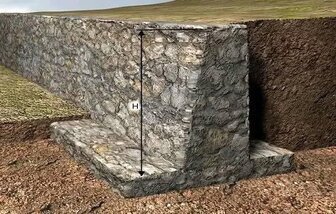
Types of Retaining Walls
This comprehensive guide explores the various types of retaining walls utilized in the UK, including gravity, cantilever, counterfort, sheet piling, anchored, and segmental walls. Learn about the function and advantages of each design, their practical applications in landscaping and civil engineering
Purpose of Retaining Walls?
Discover the importance of retaining walls in landscaping and structural engineering. Learn about different types of retaining walls such as gravity walls, cantilever walls, sheet piling walls, and anchored walls.
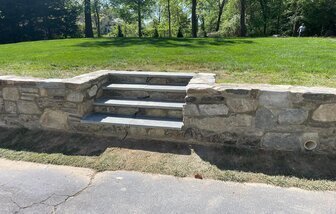
Garden Retaining walls
Garden retaining walls are essential for managing sloped terrains and preventing soil erosion, enhancing both the aesthetics and functionality of outdoor spaces. These walls not only hold back soil but also create distinct planting areas
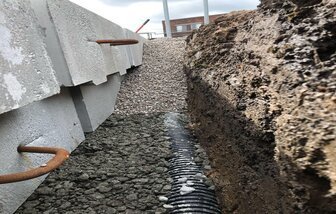
Building Retaining Walls
This comprehensive guide explores the essentials of building retaining walls, covering their significance in preventing soil erosion and enhancing landscapes. Learn about different types of retaining walls, crucial planning requirements, and the materials needed for construction.
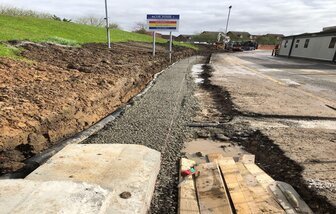
Foundation Depths For Retaining Walls
This article delves into the essential aspects of retaining walls, focusing on foundation depth requirements critical for stability and safety. It examines different types of retaining walls—gravity, cantilever, and anchored
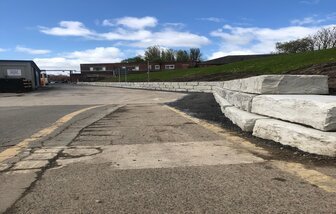
How to maintain Retaining Walls
The maintenance of retaining walls is imperative to ensure their longevity and functionality. Over time, factors such as water infiltration, soil settlement, and vegetation growth can compromise wall integrity.
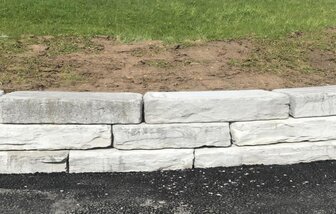
Retaining Wall Building Materials
Explore the essential guide to retaining walls, their significance in landscape stability, and various construction materials. This comprehensive article delves into the different types of retaining walls used in the UK
Ready to start your Project?
Let's Build Together
At Complete Contracting Group, we are committed to understanding your project needs, whether they are small-scale or large-scale developments. To commence your journey with us, simply complete the form provided below. This form allows us to gather essential details about your project, enabling our team to review your requirements thoroughly.
If you prefer a more direct approach, feel free to send your project documents and relevant photographs to projects@completeuk.uk Our team will carefully examine your materials and provide you with a competitive quote, along with an estimated timescale covering the entire project from inception to completion. We look forward to collaborating with you and bringing your project dreams to fruition!