
How Deep Do Retaining Wall Foundations Need To Be
This article delves into the essential aspects of retaining walls, focusing on foundation depth requirements critical for stability and safety. It examines different types of retaining walls—gravity, cantilever, and anchored—and their unique foundation considerations in the UK context. Factors influencing foundation depth, such as soil type, wall height, and drainage, are explored in detail. Compliance with British Standards, particularly BS 8002, is emphasized to ensure safety and durability. Additionally, the significance of soil testing is highlighted, showcasing its role in informed decision-making during the construction process. By understanding these components, builders can optimize the design and construction of retaining walls, ultimately preventing risks associated with inadequate foundations while contributing to effective soil management.
How Deep Do Retaining Wall Foundations Need to Be in the UK?
The foundation depth of retaining walls is a critical factor that greatly influences their overall performance and longevity.
Insufficient depth can lead to structural failure, while a well-engineered foundation provides the necessary support to counteract the forces exerted by the soil.
A wall’s foundation must be embedded deep enough to reach stable soil layers, reducing risks caused by settlement and erosion.
Additionally, local soil conditions, water drainage, and environmental factors must be considered when determining the appropriate foundation depth, making each project distinct.
As we delve deeper into the topic, understanding the intricacies of retaining wall design, construction methods, and foundation depth requirements will provide valuable insights into effective building practices within the UK landscape.
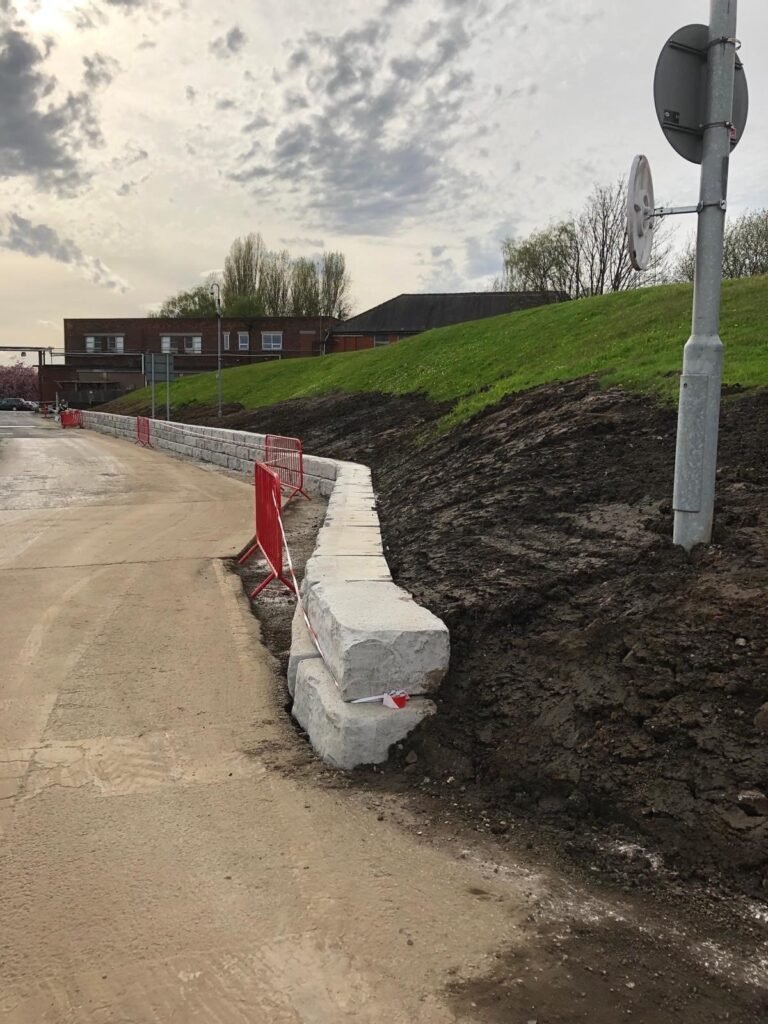
Factors Influencing Foundation Depth
The depth of retaining wall foundations is influenced by a multitude of factors, which are essential to consider for ensuring the structural integrity and durability of the wall.
One primary factor is the type of soil in which the wall is being constructed. Various soil types, including clay, sand, and silt, possess distinct bearing capacities. Clay, for example, can expand and contract based on moisture levels, which may necessitate deeper foundations to counteract these movements. In contrast, sandy soils provide better drainage and less pressure, potentially allowing for shallower foundations.
Another significant consideration is the height of the retaining wall. Taller walls typically experience greater lateral earth pressure, which in turn increases the demand for depth in their foundations.
As a rule of thumb, the taller the wall, the deeper the foundation should be to adequately resist these forces. Additionally, the type of retaining wall—whether it be gravity, cantilever, anchored, or segmental—also impacts foundation design. Each type has unique stress distributions which affect how deep the foundation needs to be anchored into the ground.
Drainage conditions surrounding the area where the retaining wall will be built play a critical role. Poor drainage can lead to hydrostatic pressure, further stressing the wall and necessitating deeper foundations.
Sufficient drainage must be designed to minimize water accumulation behind the wall. Lastly, environmental factors such as seismic activity, freeze-thaw cycles, and nearby vegetation can influence foundation depths. In the UK context, where the climate can be quite variable, these factors become particularly relevant. Each of these considerations must be carefully evaluated during the design phase to ensure a safe and effective retaining wall structure.
British Standards and Regulations
In the United Kingdom, the construction of retaining walls is governed by a combination of British Standards (BS) and local regulations. These legal requirements are crucial in ensuring that structures are safe, durable, and fit for purpose.
The primary British Standard relevant to retaining walls is BS 8002, which outlines the design of earth-retaining structures. This standard provides guidelines on various aspects, including stability, soil pressure considerations, and drainage.
BS 8002 emphasizes the importance of a well-designed foundation for retaining walls, which plays a critical role in stability against forces such as soil and water. The depth of the foundation is influenced by factors like soil type, wall height, and load considerations, ensuring that each retaining wall is tailored to its specific environmental conditions.
Consequently, compliance with these standards often dictates that the foundation depth must be sufficient to resist overturning and sliding caused by lateral earth pressures.
Additionally, local authorities in the UK may have specific regulations that supplement British Standards. These regulations may include limitations on wall heights or mandates for drainage and backfilling methods, aimed at reducing the risk of hydraulic pressure build-up behind a retaining wall. Following these regulations is essential to avoid potential issues such as wall failure or displacement prompted by inadequate support.
Consulting with civil engineers or builders familiar with local standards is advisable to ensure that retaining walls are constructed following the relevant guidelines. Understanding both British Standards and local regulations will directly influence the foundation depth and construction practices, consequently leading to a safe and functional retaining wall.
Soil Testing and Analysis
Conducting soil tests is a critical step in determining the appropriate foundation depth for retaining walls, particularly in the diverse climates and geological conditions found throughout the UK.
The variability in soil types across regions—from sandy soils to clay-heavy compositions—implies that a one-size-fits-all approach is inadequate. Understanding the specific soil conditions at a given site allows engineers and builders to make informed decisions about the depth and design of retaining walls.
Soil testing typically involves sampling and analyzing the soil’s physical and chemical properties. Key factors to consider include the soil’s bearing capacity, drainage characteristics, and plasticity index. These elements play a significant role in determining how deep the foundation must be to ensure the safety and longevity of the structure.
For instance, clayey soils may swell when wet and shrink when dry, creating pressures that can compromise a retaining wall if not properly addressed by adjusting the foundation design.
The analysis of soil also extends to the presence of groundwater and its movement. High water tables or poor drainage conditions can lead to increased hydrostatic pressure against retaining walls, a crucial factor when considering foundation depth.
Therefore, soil tests should be conducted not only at the surface level but also at various depths to get a comprehensive understanding of the supporting material. After gathering data, engineers can apply this information to establish depth parameters, ensuring that the retaining wall functions as intended while mitigating potential risks associated with soil instability.
When considering the depth of retaining wall foundations in the UK, several factors must be taken into account to ensure stability and durability. While general guidelines exist, specific recommendations can vary depending on soil types, wall height, and the type of materials being employed. It is crucial to consult relevant expert opinions or case studies to adopt an ideal foundation depth.
For most standard retaining walls, a common foundation depth ranges from 0.8 meters to 1.2 meters. This depth is often considered sufficient to counteract the lateral pressure exerted by the soil behind the wall. However, in areas with clay or expansive soils, a greater foundation depth may be necessary. These soil types can expand and contract significantly, thereby exerting additional pressure on retaining structures.
Specific wall types also influence the recommended foundation depth. Gravity walls, which rely solely on their weight for stability, generally require a deeper foundation compared to cantilever walls, which use a leverage mechanism to counteract soil pressure. For gravity walls, a depth of at least 1 meter is advisable to enhance stability.
Conversely, for cantilever walls, a depth of around 0.5 meters to 0.8 meters can often suffice depending on the design and height of the wall.
In situations involving particularly tall retaining walls, or those meant to support heavy loads, additional precautions must be considered. Expert recommendations often suggest incorporating deeper foundations or even a footing design that extends into stable soil layers, which may be 1.5 meters or more, to mitigate potential movement or failure.
Ultimately, refining these depth recommendations based on local soil conditions, wall design, and load requirements is crucial for creating an effective retaining wall foundation. Consulting a structural engineer can provide further tailored insights, ensuring adherence to best practices in retaining wall construction.
Design Considerations
When planning a retaining wall, several crucial design considerations influence the necessary depth of its foundation. The primary factor is the loads that the wall must withstand, including the weight of the soil it retains and any additional external loads, such as vehicles or structures nearby. These loads can significantly dictate the design specifications, ultimately affecting foundation depth.
The material used for the retaining wall is another essential consideration. Retaining walls can be constructed from a variety of materials, including concrete, stone, or timber.
Each material has its own properties regarding weight, strength, and durability, which in turn influences the design requirements for the foundation. For instance, a heavy concrete retaining wall might necessitate a deeper foundation than a lighter timber option to ensure stability and prevent sliding or overturning.
Additionally, features such as drainage must be integrated into the design of the retaining wall. Proper drainage systems are critical as they mitigate the risk of water pressure buildup behind the wall, which could lead to structural failure.
The inclusion of drainage solutions often requires additional considerations for foundation depth, as the wall may need to be extended deeper to accommodate drainage pipes or gravel layers below the foundation itself.
Finally, site-specific conditions, such as soil type and stability, should not be overlooked. Different soils exhibit varying bearing capacities, and geotechnical assessments are often necessary to inform the design process. Each of these design considerations plays a vital role in determining how deep the retaining wall foundation needs to be, ensuring that the structure is both safe and effective for its intended use.
Construction Methods and Techniques
Retaining walls serve a critical purpose in construction, particularly in the UK where varying ground conditions and regulations necessitate careful planning and execution. The depth of the foundation for these walls is influenced by various construction methods, each with its unique characteristics and requirements.
One common method used in the UK is the gravity retaining wall construction, which relies on its weight to hold back soil. For these walls, the foundation depth is crucial; it typically ranges from one-third to one-half of the wall’s total height. Proper drainage behind a gravity wall is also essential to prevent hydrostatic pressure, thereby influencing the design and depth of the foundation.
An alternative technique is that of anchored retaining walls, which use cables or rods anchored into the earth to provide additional support. Such constructions generally require a narrower foundation but necessitate precise calculations to ensure adequate anchorage and stability. Depending on soil conditions and expected loads, the foundation depth may still be significant to maintain structural integrity.
In situations involving reinforced earth walls, a combination of soil and structure is used to create a stable retaining element. For these types, the depth of the foundation may vary depending on the materials used and the slope of the retained earth. Best practices advocate for comprehensive site assessments and soil testing to determine both the appropriate construction method and the necessary foundation depth.
Moreover, builders should adhere to established guidelines and regulations, consulting with structural engineers when necessary. This collaboration can provide insights into local soil conditions and hydrological considerations, which ultimately dictate design choices and the required depth for retaining wall foundations.
Potential Risks of Inadequate Foundations
In the construction of retaining walls, the depth of the foundations plays a critical role in ensuring structural integrity. Insufficiently deep foundations can lead to a variety of risks that can compromise both the wall and the surrounding area. One of the primary concerns is the potential for instability.
When a retaining wall does not possess a solid footing, it may begin to lean or slide over time, particularly under the pressure of the soil it is designed to hold back. This instability can lead to dangerous situations, especially in areas with high traffic or where people frequently gather.
Another significant risk associated with shallow foundations is soil erosion. Rainwater and runoff can undermine the foundation by washing away the soil supporting the wall.
This erosion not only affects the retaining wall but can also lead to adverse environmental impacts, such as sedimentation in nearby waterways and the degradation of local ecosystems. The gradual loss of earth can result in increased settlements, further stressing the original structure and potentially leading to its failure.
Furthermore, wall failure can have catastrophic consequences, both in terms of physical damage and financial costs. When a retaining wall collapses, it can cause destruction not only to the wall itself but also to any structures or landscapes nearby.
The expenses incurred from repairing such damage can be substantial and may involve extensive labor and material costs. Proper construction practices, including adhering to recommended foundation depths, are crucial for mitigating these risks and ensuring that the retaining wall serves its intended purpose over the long term.
Conclusion
In examining the depth of retaining wall foundations in the UK, it has become clear that several critical factors must be taken into consideration. First and foremost, the specific conditions of the site, including soil type and the anticipated load, significantly influence the required depth for a stable foundation. Retaining walls serve the essential purpose of preventing soil erosion and maintaining structural integrity, thus highlighting the importance of properly assessed foundation depth.
Furthermore, regulations and standards established in the UK provide guidelines that should be adhered to during the construction process. These guidelines determine not only the necessary depth of the foundation but also the materials and construction techniques employed, which can vary significantly with local conditions.
Moreover, professional consultation is strongly advised when planning for retaining wall construction. Engineers and builders with expertise in geotechnical considerations can provide valuable insights, ensuring compliance with local building codes and optimising safety practices. Understanding that the foundation’s depth is not merely a standard measurement but one that requires tailored analysis based on the unique characteristics of each site is crucial.
Ultimately, taking the time to thoroughly assess all factors related to retaining wall foundations will lead to a more secure and durable installation. The collaboration with professionals can prevent potential future complications related to structural failure or other unforeseen issues. Therefore, for both DIY enthusiasts and those seeking to hire contractors, understanding the importance of foundation depth in retaining wall construction cannot be overstated.
What is a Retaining Wall?
Discover the essential aspects of retaining walls in landscape architecture. This comprehensive guide covers the types of retaining walls, materials used, and key design considerations. Learn about the construction process, regulations, and maintenance tips to ensure stability and longevity.
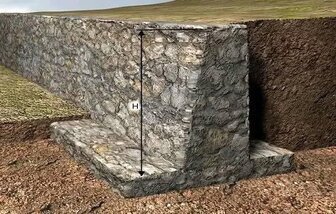
Types of Retaining Walls
This comprehensive guide explores the various types of retaining walls utilized in the UK, including gravity, cantilever, counterfort, sheet piling, anchored, and segmental walls. Learn about the function and advantages of each design, their practical applications in landscaping and civil engineering
Purpose of Retaining Walls?
Discover the importance of retaining walls in landscaping and structural engineering. Learn about different types of retaining walls such as gravity walls, cantilever walls, sheet piling walls, and anchored walls.
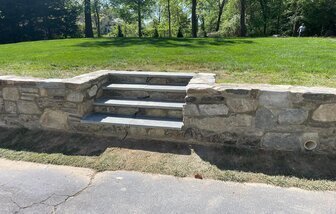
Garden Retaining walls
Garden retaining walls are essential for managing sloped terrains and preventing soil erosion, enhancing both the aesthetics and functionality of outdoor spaces. These walls not only hold back soil but also create distinct planting areas
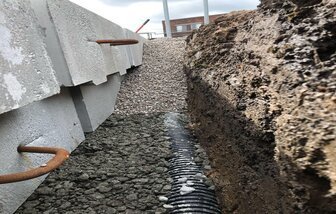
Building Retaining Walls
This comprehensive guide explores the essentials of building retaining walls, covering their significance in preventing soil erosion and enhancing landscapes. Learn about different types of retaining walls, crucial planning requirements, and the materials needed for construction.
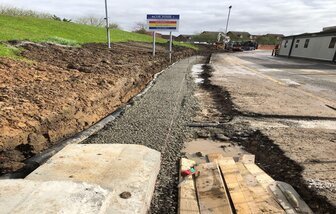
Foundation Depths For Retaining Walls
This article delves into the essential aspects of retaining walls, focusing on foundation depth requirements critical for stability and safety. It examines different types of retaining walls—gravity, cantilever, and anchored

How to maintain Retaining Walls
The maintenance of retaining walls is imperative to ensure their longevity and functionality. Over time, factors such as water infiltration, soil settlement, and vegetation growth can compromise wall integrity.
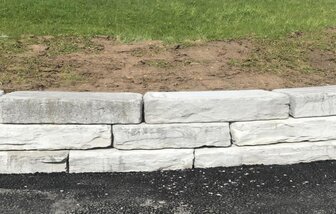
Retaining Wall Building Materials
Explore the essential guide to retaining walls, their significance in landscape stability, and various construction materials. This comprehensive article delves into the different types of retaining walls used in the UK
Ready to start your Project?
Let's Build Together
At Complete Contracting Group, we are committed to understanding your project needs, whether they are small-scale or large-scale developments. To commence your journey with us, simply complete the form provided below. This form allows us to gather essential details about your project, enabling our team to review your requirements thoroughly.
If you prefer a more direct approach, feel free to send your project documents and relevant photographs to projects@completeuk.uk Our team will carefully examine your materials and provide you with a competitive quote, along with an estimated timescale covering the entire project from inception to completion. We look forward to collaborating with you and bringing your project dreams to fruition!