
How To Build A Retaining Wall
This comprehensive guide explores the essentials of building retaining walls, covering their significance in preventing soil erosion and enhancing landscapes. Learn about different types of retaining walls, crucial planning requirements, and the materials needed for construction. Discover practical tips for safeguarding property, ensuring proper drainage, and maintaining structural integrity. Designed for DIY enthusiasts in the UK, this resource emphasizes compliance with local regulations and provides step-by-step instructions for successful construction. Enhance your outdoor space's functionality and beauty while enjoying the rewarding experience of building a retaining wall. Explore various construction techniques and avoid common mistakes to achieve lasting results.
How to Build a Retaining Wall in the UK: A Detailed Step-by-Step Guide
Introduction to Retaining Walls
In the UK, the demand for retaining walls has increased, particularly among homeowners looking to undertake DIY projects. This trend can be attributed to the accessibility of materials and the variety of styles available, making it feasible for individuals to build retaining walls that complement their outdoor spaces.
Many people view the construction of a retaining wall as an opportunity to enhance their gardening capabilities and overall property looks while adding functional value. Moreover, learning to build a retaining wall can be a rewarding experience for DIY enthusiasts and can potentially save on labor costs.
As we delve deeper into the process of building a retaining wall, it is essential to understand the factors that contribute to their success. Proper planning, selection of materials, and adherence to local regulations are vital components that will ensure the longevity and effectiveness of the wall.
This guide aims to provide detailed insights into those factors, equipping readers with the knowledge required to embark on this rewarding project.
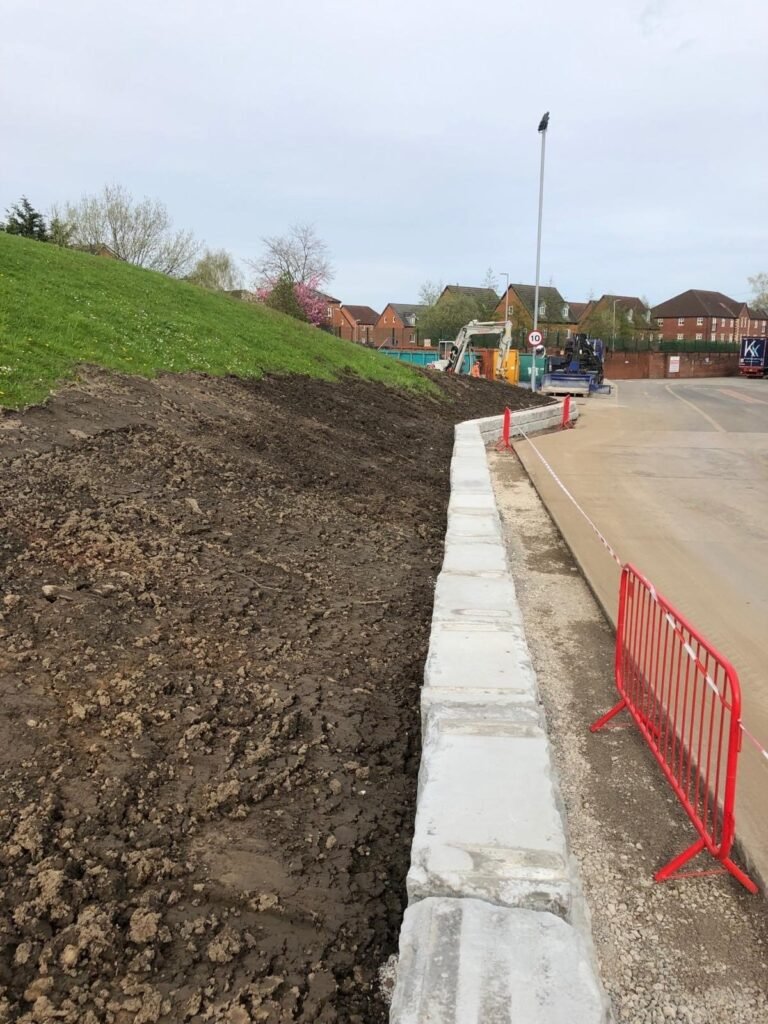
Types of Retaining Walls
Retaining walls are engineering structures designed to restrain soil or rock from collapsing into a designated area. Various types of retaining walls are used in construction, each with distinct materials, construction methods, and ideal applications. The primary categories include gravity walls, cantilever walls, anchored walls, and others.
Gravity walls are the simplest type, relying on their own weight to hold back the earth. Typically constructed from concrete, stone, or masonry, they employ large sizes to counteract the lateral forces exerted by the soil. Their construction is straightforward, making them ideal for smaller elevation changes. However, their bulk can be a disadvantage in space-constrained sites.
Cantilever walls are more sophisticated, using leverage to support heavier loads. Made from reinforced concrete, these walls feature a base that extends back into the hill, significantly reducing the amount of material needed compared to gravity walls. Cantilever walls are suitable for higher loads and heights but require careful engineering to ensure stability.
Anchored walls incorporate cables or rods anchored into the earth behind the wall to provide additional support. This type allows for thinner wall sections and is particularly effective in locations with deep excavation or unstable soil. Anchored walls benefit from flexibility in design and can be adapted to various environmental challenges.
Other types of retaining walls include sheet piles, often used in waterfronts or confined spaces, and geogrid-reinforced walls, which integrate geosynthetic materials for added stability. Each type offers unique advantages, and the choice depends on specific site conditions, aesthetic considerations, and budget constraints.
Planning and Permits
Before embarking on the construction of a retaining wall, it is crucial to engage in thorough planning to ensure compliance with local regulations and to avoid potential legal complications.
The initial step in this process is to check the local zoning laws and building regulations that govern your area in the UK. Many local authorities have specific guidelines regarding the height, materials, and construction methods for retaining walls, so it is essential to familiarize yourself with these requirements to ensure that your project adheres to them.
Obtaining the necessary permits is another significant aspect of the planning stage. Depending on the scale and height of the retaining wall, some councils may require you to secure planning permission before the construction begins. It is advisable to contact your local planning office or consult their website to ascertain what may be required. In cases where a wall is particularly high, or if it is to be built near a public right-of-way, additional scrutiny may be involved. Therefore, it is important to allow sufficient time for the permit application process.
In addition to regulatory compliance, considering managerial aspects like property lines and drainage will influence the execution and functionality of the retaining wall. Ensure that you have clearly defined property boundaries, as building on or near a neighbor’s land could lead to disputes.
Furthermore, adequate drainage is vital to prevent water accumulation behind the wall, which may exert pressure and ultimately lead to structural failure. Incorporating proper drainage solutions during the planning phase will enhance the longevity and sturdiness of the retaining wall, leading to a successful outcome.
Materials Needed for Building a Retaining Wall
When planning to construct a retaining wall, it is crucial to gather all the necessary materials and tools ahead of time. This preparation not only facilitates a smoother building process but also helps ensure the structural integrity of the wall. The main materials needed include types of stones or blocks, gravel, cement, reinforcement materials, and various tools.
First and foremost, the choice of blocks or stones is essential. Common materials for retaining walls are concrete blocks, natural stones, and bricks. Concrete blocks are widely used due to their durability and ease of installation. Natural stones provide an aesthetic appeal, and their unique shapes can create a stunning look, while bricks offer a classic style and can be very effective in certain environments.
Gravel is another vital component. It is typically used as a drainage layer behind the retaining wall to prevent water accumulation that could lead to structural failure. The type of gravel should allow for proper drainage while providing stability. Additionally, you will need cement or mortar for binding the blocks or stones together, depending on the material you choose.
Reinforcement materials are also important to increase the strength of the wall. These can include steel rebar, which provides tensile strength and aid in resisting bending forces. The placement of rebar will vary according to the wall’s design and height.
Finally, the tools required for building a retaining wall include a shovel for digging the foundation, a level to ensure proper placement, and a trowel for applying mortar or concrete. A rubber mallet can assist with fitting the blocks together without damaging them. Having all of these materials and tools ready will help streamline the construction of your retaining wall, ensuring that the project is both efficient and solidly built.
Step-by-Step Construction Process
Building a retaining wall is a methodical process that ensures both stability and functionality. The first step involves thorough site preparation, which includes clearing the area of any vegetation, debris, or materials that may interfere with the construction.
It is crucial to determine the wall’s location and size based on factors like the slope of the land and drainage issues. A good practice is to mark the outline of the wall on the ground with stakes or chalk.
Once the site is prepared, the next step is to dig the foundation trench. The depth and width of the trench will depend on the height and type of the retaining wall you plan to build. For most walls, a depth of at least 18 inches is recommended to provide a solid base. After digging, you should compact the soil at the bottom of the trench to create a stable foundation.
With the foundation in place, the next step is to lay the first course of blocks or stones. Ensure that the first layer is level and properly aligned. This is crucial as any misalignment at this stage can lead to larger issues in the future. Use a level to verify that each block is positioned correctly. As the wall rises, you should stagger the joints between layers to enhance structural integrity.
After constructing the desired height of the wall, backfilling is essential. Fill the area behind the wall with gravel, providing proper drainage to prevent water accumulation, which can exert pressure on the wall and lead to failure. Finally, finish the wall by applying any desired treatments such as sealing or aesthetic enhancements. An aesthetically pleasing retaining wall can significantly enhance the landscape, ensuring both practicality and beauty.
Drainage Considerations
When constructing a retaining wall in the UK, one cannot overstate the significance of proper drainage. Inadequate drainage can lead to the accumulation of water behind the wall, which may result in excessive hydrostatic pressure, causing structural failure or deformation. Therefore, it is crucial to incorporate a reliable drainage system during the planning and construction phases.
To effectively manage water flow, start by creating a backfill zone that incorporates granular materials, such as gravel or crushed stone. This technique improves drainage by allowing water to flow through the backfill rather than accumulating behind the wall. Moreover, it is advisable to maintain a slight slope—approximately 1%—away from the wall, facilitating efficient water runoff.
In addition to this, installing perforated drainage pipes at the base of the wall is an essential step. These pipes should be positioned in a trench filled with gravel, ensuring that any water that does build up can be promptly drained away, reducing the risk of pressure build-up. It is also important to ensure that the drainage outlets are directed to an appropriate runoff area, such as a weep hole or a nearby drainage system.
Furthermore, utilizing a geotextile fabric can serve as an additional precaution. By placing this fabric over the backfill material, you can prevent soil particles from clogging the drainage system, thereby maintaining its effectiveness over time. Regular inspection and maintenance of the drainage system will also help to identify and resolve potential issues early on.
Implementing these drainage considerations is vital for the longevity and stability of a retaining wall. By ensuring the proper management of water, you contribute significantly to the structural integrity of your project and reduce the likelihood of costly repairs or replacements in the future.
Maintaining Your Retaining Wall
Maintaining a retaining wall is crucial to ensure its longevity and functionality, particularly in the UK where weather conditions can vary significantly. Regular inspections should be a part of your maintenance routine. It is advisable to check the wall at least once a year for any signs of damage such as cracks, bulging, or excessive leaning. Early detection of these issues can prevent more serious problems from developing that could require extensive repairs.
Cleaning your retaining wall is essential to maintain its appearance and structural integrity. Over time, dirt, moss, and weeds can accumulate on the surface, which may lead to moisture retention and severe deterioration. A simple cleaning using a pressure washer or a stiff brush can remove debris and help keep the wall looking its best. If necessary, consider applying a sealant to protect the surface from water infiltration.
Another important aspect of maintaining your retaining wall is monitoring the drainage system. Proper drainage is vital to prevent water from accumulating behind the wall. Check that the weep holes are not clogged and that drainage pipes are functioning correctly. Poor drainage can lead to hydrostatic pressure building up against the wall, which can cause structural failure. If you notice any issues, it is crucial to address them promptly.
Additionally, if you discover any significant structural issues during your inspections, it may be wise to consult a professional. They can provide expert advice on repairs or reinforcement options. Regular maintenance not only helps prolong the life of the retaining wall but also ensures its continued effectiveness in supporting the earth and preventing erosion.
Common Mistakes to Avoid
Building a retaining wall is a significant undertaking that requires careful planning and execution. However, many DIY builders succumb to common pitfalls that can compromise the integrity and functionality of their retaining walls. By avoiding these mistakes, you can ensure a successful build that stands the test of time.
One of the most prevalent errors is inadequate drainage. When constructing a retaining wall, it is crucial to incorporate proper drainage systems. Failure to do so can lead to hydrostatic pressure build-up behind the wall, which may result in structural damage or wall failure. Installing weep holes or utilizing gravel backfill can mitigate this issue significantly, helping to manage water flow effectively.
Another common mistake is underestimating the importance of wall height and width. Many builders opt for walls that are either too short or too narrow to handle the soil pressure behind them. It is vital to understand the engineering principles guiding retaining wall construction, as these factors directly influence the wall’s durability. Consulting local regulations or guidelines can provide insight into the optimal dimensions required based on the height of the wall.
Additionally, neglecting to level the base can lead to uneven settling and instability in the wall. Ensuring that the foundation is level and compacted can support the wall’s weight and maintain its alignment over time. Similarly, skipping the use of quality materials can also result in premature deterioration. Using durable and suitable construction materials makes a significant difference in the longevity of the wall.
Lastly, not considering the local climate and soil conditions can lead to further complications. Regions with freeze-thaw cycles, for instance, require different construction techniques compared to those in more temperate climates. By taking these factors into account, builders can develop a more resilient retaining wall that effectively withstands environmental challenges.
Conclusion and Additional Resources
Building a retaining wall in the UK can be a complex but rewarding project, offering both aesthetic and functional benefits to your landscape. Throughout this guide, we have explored the essential steps necessary for successful construction, including planning, selecting materials, and erecting the wall safely and effectively.
We emphasized the importance of proper site preparation and drainage management to ensure the longevity of your retaining wall. Moreover, understanding local regulations and obtaining the necessary permits cannot be overlooked in this process, as compliance is crucial for avoiding future issues.
As a recap, effective planning begins with assessing your landscape and determining the requirements of your project. The choice of materials, whether stone, concrete blocks, or timber, should align with both aesthetic considerations and structural needs. Additionally, implementing drainage strategies serve not just to protect the wall but also to promote good soil health and prevent erosion. By following the step-by-step approach laid out in previous sections, you can confidently embark on your retaining wall construction project.
What is a Retaining Wall?
Discover the essential aspects of retaining walls in landscape architecture. This comprehensive guide covers the types of retaining walls, materials used, and key design considerations. Learn about the construction process, regulations, and maintenance tips to ensure stability and longevity.
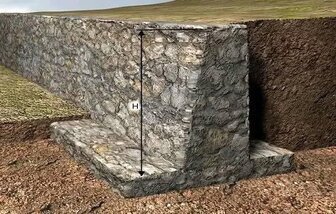
Types of Retaining Walls
This comprehensive guide explores the various types of retaining walls utilized in the UK, including gravity, cantilever, counterfort, sheet piling, anchored, and segmental walls. Learn about the function and advantages of each design, their practical applications in landscaping and civil engineering
Purpose of Retaining Walls?
Discover the importance of retaining walls in landscaping and structural engineering. Learn about different types of retaining walls such as gravity walls, cantilever walls, sheet piling walls, and anchored walls.
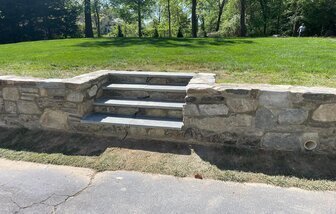
Garden Retaining walls
Garden retaining walls are essential for managing sloped terrains and preventing soil erosion, enhancing both the aesthetics and functionality of outdoor spaces. These walls not only hold back soil but also create distinct planting areas
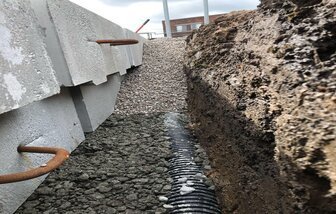
Building Retaining Walls
This comprehensive guide explores the essentials of building retaining walls, covering their significance in preventing soil erosion and enhancing landscapes. Learn about different types of retaining walls, crucial planning requirements, and the materials needed for construction.
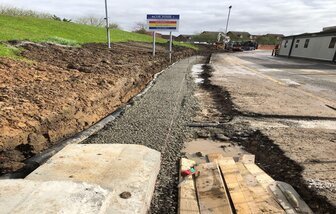
Foundation Depths For Retaining Walls
This article delves into the essential aspects of retaining walls, focusing on foundation depth requirements critical for stability and safety. It examines different types of retaining walls—gravity, cantilever, and anchored
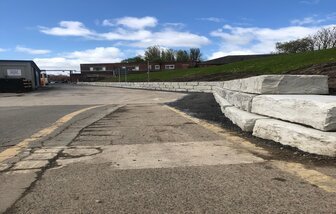
How to maintain Retaining Walls
The maintenance of retaining walls is imperative to ensure their longevity and functionality. Over time, factors such as water infiltration, soil settlement, and vegetation growth can compromise wall integrity.
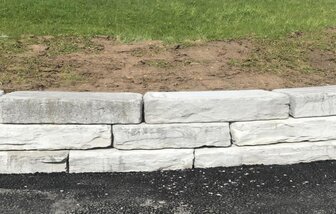
Retaining Wall Building Materials
Explore the essential guide to retaining walls, their significance in landscape stability, and various construction materials. This comprehensive article delves into the different types of retaining walls used in the UK
Ready to start your Project?
Let's Build Together
At Complete Contracting Group, we are committed to understanding your project needs, whether they are small-scale or large-scale developments. To commence your journey with us, simply complete the form provided below. This form allows us to gather essential details about your project, enabling our team to review your requirements thoroughly.
If you prefer a more direct approach, feel free to send your project documents and relevant photographs to projects@completeuk.uk Our team will carefully examine your materials and provide you with a competitive quote, along with an estimated timescale covering the entire project from inception to completion. We look forward to collaborating with you and bringing your project dreams to fruition!