
Garden Retaining Walls
Garden retaining walls are essential for managing sloped terrains and preventing soil erosion, enhancing both the aesthetics and functionality of outdoor spaces. These walls not only hold back soil but also create distinct planting areas, promote drainage, and increase property value. Constructed from various materials such as stone, timber, or concrete, they offer versatility in design, catering to diverse styles and preferences. This comprehensive guide covers the importance of retaining walls, the benefits they bring to landscapes, popular materials to consider, innovative design ideas, a step-by-step construction process, and essential maintenance tips. Explore successful case studies that highlight effective implementations in the UK and learn how integrating a well-designed retaining wall can transform your garden into an organized and visually appealing space.
All You Need to Know About Garden Retaining Walls in the UK
Introduction to Garden Retaining Walls
Garden retaining walls are essential elements in landscape design, particularly in regions characterized by sloped or uneven terrains. The primary purpose of these structures is to hold back soil, thereby preventing erosion and maintaining the stability of the landscape.
As gardens are often built on varying topographies, retaining walls provide a practical solution in such scenarios, ensuring that soil remains in its designated area and does not wash away during heavy rain or due to natural wear.
Furthermore, the significance of retaining walls extends beyond soil retention. They play a crucial role in enhancing the overall structure of a garden.
By creating distinct levels or terraces within the landscape, these walls allow for more effective use of space. This tiering enables gardeners to cultivate different types of plants suited to various conditions, promoting biodiversity.
The structured layout also contributes to better drainage and can assist in managing water runoff, mitigating any potential waterlogging issues.
In addition to their functional benefits, garden retaining walls offer considerable aesthetic appeal. They can be constructed from a variety of materials, including stone, brick, or timber, allowing for versatility in design.
Homeowners can choose styles and finishes that complement their garden’s overall theme, thereby enhancing visual interest. Whether utilized to create a bold statement or to provide subtle elegance, retaining walls can transform an ordinary garden into an extraordinary space.
In summary, garden retaining walls are invaluable for managing sloped terrain, preventing soil erosion, and improving garden structure and aesthetics. Their integration into landscape design not only serves practical purposes but also adds to the beauty of outdoor spaces.
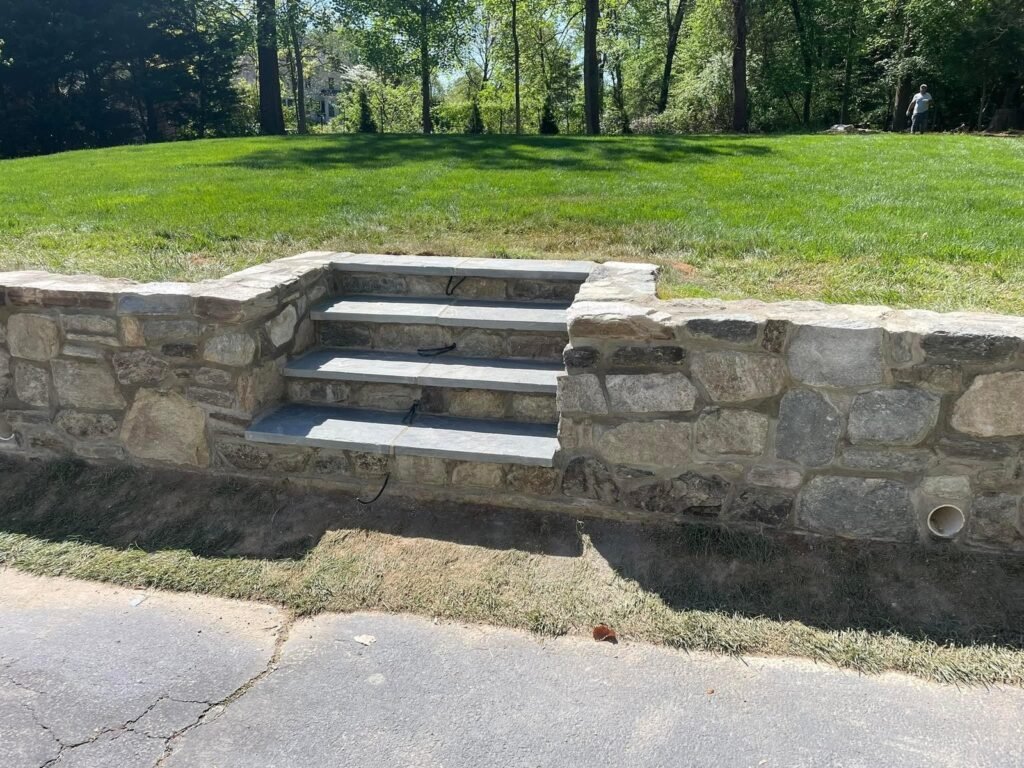
The Essential Role of Retaining Walls
Retaining walls are crucial structures in both residential and commercial landscaping, particularly within the UK. Their primary role is to stabilize various types of soil, which helps to prevent issues such as erosion and landslides. In many cases, soil becomes unstable due to shifts in moisture content or the natural slope of the land, and retaining walls act as a barrier to maintain soil structure and integrity.
By keeping soil in place, these walls not only enhance the safety of the garden but also protect surrounding properties from potential damage caused by shifting earth.
In addition to soil stabilization, retaining walls play a vital role in drainage management. When heavy rains occur, water can accumulate in areas where the soil is not adequately supported. This can lead to waterlogging, which negatively affects plant health and can undermine foundations.
Well-designed retaining walls can redirect water flow away from vulnerable areas, ensuring that drainage systems function correctly and preventing flooding. The use of appropriate materials and drainage techniques is essential for the longevity and efficacy of these structures.
Furthermore, retaining walls create usable space in a garden, which is particularly beneficial in hilly or uneven terrain. By terracing the landscape, homeowners can enjoy distinct areas for planting, seating, or recreational activities.
This multifunctionality makes retaining walls an attractive option for enhancing the aesthetic appeal and usability of outdoor spaces. They can be constructed from various materials, including timber, stone, and concrete, allowing for a wide range of design possibilities that suit individual preferences and garden styles.
Benefits of Garden Retaining Walls
Garden retaining walls offer a plethora of advantages that significantly enhance both the functionality and aesthetic appeal of residential landscapes.
One of the primary benefits is the improvement in landscape aesthetics. Retaining walls can be constructed from various materials, such as wood, stone, or concrete, allowing homeowners to choose an option that complements their existing garden decor. By adding structure and visual interest to a garden, these walls can transform a mundane space into a vibrant and inviting outdoor area.
In addition to enhancing aesthetics, garden retaining walls also contribute to increased property value. A well-designed retaining wall not only elevates the overall appearance of a property but also signals to potential buyers that the landscape is well-maintained and thoughtfully planned.
Properties featuring retaining walls can often command higher prices, making it a wise investment for homeowners looking to improve their property’s marketability.
Another significant advantage of garden retaining walls is their effectiveness in erosion control. Sloped gardens are particularly at risk for soil erosion, which can disrupt the growth of plants and ultimately degrade the landscape.
By retaining soil in place, these walls prevent erosion and promote healthy vegetation throughout the garden. This characteristic is especially important in regions with heavy rainfall, where soil stability can be compromised.
Lastly, retaining walls help create distinct garden zones, allowing homeowners to experiment with varying plant selections, designs, and layouts. By establishing separate areas, these walls can be utilized to separate zones for decorative flowers, vegetables, or even relaxation spaces. This modularity not only enhances gardening possibilities but also contributes to a more organized and visually satisfying garden environment.
Popular Materials for Retaining Walls
Retaining walls are crucial structures in garden landscaping, serving both aesthetic and functional purposes. Different materials can be used to construct retaining walls, each offering unique benefits and characteristics. In the UK, the most popular materials include timber, stone, concrete blocks, and bricks.
This section will delve into each material’s durability, cost-effectiveness, and suitability for various garden styles and climates.
Timber is often selected for its natural aesthetic appeal and versatility. It is relatively easy to work with and can be sourced sustainably, making it an eco-friendly option. For gardens that emphasize a rustic or natural look, timber retaining walls blend seamlessly with the surroundings. However, while timber can be cost-effective, it has a lower longevity compared to other materials, as it is susceptible to rot and insect damage.
Stone is renowned for its durability and timeless beauty. Its natural texture and colour variations add a unique character to any landscape. While naturally more expensive, stone retaining walls can last for decades if not centuries, making them a worthwhile investment. They are particularly suited for formal garden styles or areas with substantial erosion concerns.
Concrete blocks are favored for their structural integrity and flexibility in design. They provide a modern, clean look while being highly durable. With various finishes available, they can suit both contemporary and traditional gardens. Additionally, concrete blocks are often more cost-effective than stone, making them a popular choice for budget-conscious projects.
Lastly, bricks are a classic option, offering excellent durability and aesthetic appeal. Their versatility allows them to be used in various styles, from formal gardens to quaint cottage settings. Though typically more expensive than concrete blocks, the long-lasting nature of bricks can compensate for the initial investment over time.
Design Ideas for Retaining Walls
When considering the incorporation of retaining walls into garden landscapes, it is essential to explore various design approaches that not only serve a functional purpose but also enhance the aesthetic value of the outdoor space. One popular idea is to implement terracing, which can create distinct levels in a garden while ensuring excellent drainage and soil retention. This is especially beneficial in sloping areas, where terraced walls can prevent erosion and provide additional planting space.
Another notable design style involves the use of curved retaining walls. These flowing lines can soften the overall look of a garden and create visual interest. Curved walls can also facilitate the formation of unique planting beds, allowing for the installation of various plant species that thrive in the specific conditions created by the wall. Integrating plants into the design not only enhances the overall appeal but contributes to the functional aspects of the wall by maximizing its space for gardening.
Straight retaining walls, while more traditional, offer a clean and modern look. They may be combined with other materials such as timber, stone, or brick to create a striking contrast with surrounding landscaping.
Additionally, straight walls can provide a backdrop for vertical gardens, where climbing plants can be utilized to soften the hard surfaces and add vibrant colors to the scene. When this type of wall is combined with appropriate planting strategies—such as using drought-resistant or native plants—it can effectively complement the garden’s overall design.
Ultimately, carefully considering the style of the retaining wall and how it interacts with the surrounding flora can lead to a cohesive and attractive landscape. Homeowners are encouraged to evaluate their garden’s topography, climate, and personal style preferences when selecting design elements, ensuring not only functionality but also a harmonious visual appeal in their outdoor spaces.
Step-by-Step Guide to Building Retaining Walls
Constructing a retaining wall can be an enriching DIY project that enhances your garden’s landscape while managing soil erosion. The process requires careful planning, the right tools, and safety considerations. Below is a detailed guide on how to successfully build a retaining wall.
1. Planning: Start by assessing the site where the retaining wall will be built. Determine the wall’s height and its purpose, whether for decorative or functional use. Additionally, consider local building regulations that may dictate specific construction standards.
2. Design and Materials: Once you have your plan, sketch out the design and determine the materials you will require. Options include concrete blocks, natural stone, or timber. Each material has its benefits, so choose according to your aesthetic preference and budget.
3. Tools Required: Gather the necessary tools such as a shovel, level, tape measure, and string line, ensuring that you are equipped for the task ahead. If using heavier materials, consider having a partner to assist with lifting.
4. Excavation: Excavate a trench for the foundation of the retaining wall. The trench should be at least twice the depth of the wall blocks and slightly wider than the blocks themselves. This foundation helps provide stability to your wall.
5. Base Preparation: Create a base using gravel or concrete to provide drainage and prevent settling. Level this base thoroughly; a well-prepared foundation is crucial for the longevity of the retaining wall.
6. Wall Construction: Start laying your chosen material from one end of the trench to the other, ensuring each block is level and properly aligned. Use a level frequently to maintain evenness, adjusting as necessary.
7. Backfill and Drainage: As you build the wall upwards, backfill soil behind the retaining wall in layers, compacting each one to create stability. Also, consider adding drainage pipes to avoid water buildup, which can undermine the structure.
8. Finishing Touches: Conclude your project by adding any aesthetic features such as capstones or decorative plants to enhance the visual appeal of the retaining wall.
By following these steps, DIY enthusiasts can confidently construct a sturdy and functional retaining wall that serves both practical and aesthetic purposes in their garden landscape.
Maintenance of Retaining Walls
Ensuring the longevity and functionality of garden retaining walls necessitates a vigilant maintenance routine. Regular inspections are pivotal for identifying early signs of deterioration. Homeowners should inspect retaining walls at least biannually, particularly after heavy rainfall or periods of frost. This proactive approach can help detect issues such as bulging, cracking, or erosion that may compromise the structural integrity of the wall.
Another critical factor in the maintenance of retaining walls is the effectiveness of the drainage system. Retaining walls are often designed to manage water runoff; however, blockages or failures in drainage systems can lead to significant pressure buildup behind the wall. It is advisable to check any drainpipes and weep holes frequently to ensure that they remain clear of debris and functioning correctly. Installing additional drainage solutions, such as perforated pipes at the base of the wall, can further enhance water management.
In the event of cracks or damages, it is crucial to address repairs promptly. Small cracks can often be filled with a suitable sealant, but larger issues may require professional assessment. The surrounding environment should also be kept well maintained, as overhanging plants or trees can exert pressure and cause soil erosion around the retaining wall. Keeping these areas clear not only mitigates potential risks but also contributes to the overall aesthetic appeal of the garden.
Furthermore, regular cleaning of the wall’s surface is recommended to prevent the accumulation of dirt, moss, and algae, which can lead to more significant deterioration over time. Utilizing a pressure washer or a stiff brush for cleaning is generally effective. By adhering to a consistent maintenance schedule, homeowners can uphold the safety and beauty of their retaining walls, prolonging their lifespan and functionality.
Successful Case Studies in the UK
Garden retaining walls serve both aesthetic and functional purposes, and their successful implementation can greatly enhance outdoor spaces. In the UK, numerous case studies exemplify innovative designs, materials used, and the resolution of unique challenges encountered in constructing these structures.
One notable project is a residential garden in Surrey where a timber retaining wall was constructed to address significant soil erosion issues. The homeowners opted for a durable hardwood, which complemented the natural surroundings.
This project posed challenges such as managing drainage effectively to prevent water accumulation behind the wall. The solution involved the strategic installation of weep holes, allowing excess water to escape while maintaining soil integrity. This case not only showcases the practicality of a timber structure but also demonstrates the importance of considering environmental factors in the design.
Another inspiring case can be found in a community park in Manchester, where a stone retaining wall was built to create tiered flower beds. The design involved a combination of locally sourced sandstone and brick, which not only provided strength but also blended seamlessly with the surrounding landscape.
This project faced excavation challenges due to rocky soil conditions, requiring the team to employ specialized machinery to ensure precise construction. The completed wall not only supports the soil but serves as an attractive feature of the park, enhancing local biodiversity.
Finally, an urban garden in London illustrates the use of recycled materials in creating a unique gabion wall. This wall not only retained soil but also showcased an environmentally-friendly approach by incorporating discarded stones and metals. Challenges included ensuring structural stability while achieving an aesthetic appeal, leading to innovative design solutions. This case serves as a valuable lesson on sustainability in garden retaining wall construction.
These case studies highlight that effective design, material selection, and addressing specific challenges are crucial for successful garden retaining wall projects across the UK, providing both functionality and beauty to outdoor spaces.
Conclusion and Final Thoughts
In reviewing the various aspects of garden retaining walls in the UK, it becomes evident that these structures offer both functional and aesthetic advantages for garden layouts.
The importance of retaining walls extends beyond mere soil retention; they help define garden spaces, facilitate effective drainage, and can enhance the overall visual appeal of a landscape. Various materials such as stone, brick, and concrete provide different looks and benefits, allowing homeowners to choose the best fit for their garden style and budget.
The installation of retaining walls can also contribute to the value of a property, making it a worthwhile investment for those seeking to optimize their outdoor spaces. Additionally, retaining walls can prevent soil erosion, particularly in sloped gardens, thereby helping to maintain the integrity of both the garden and surrounding structures.
Consideration of factors such as wall height, drainage, and local climate conditions plays a crucial role in effective wall design and functionality.
As discussed, the various styles of retaining walls—from natural stone to contemporary designs—can be tailored to blend seamlessly with existing garden features. This customization allows homeowners to express their personal style while reaping the practical benefits that retaining walls provide. Before embarking on a garden project, it is highly beneficial for homeowners to weigh their options carefully and consider how integrating a retaining wall could enhance their outdoor environment.
In closing, exploring the potential benefits and applications of garden retaining walls is an essential step for anyone looking to improve their outdoor space. Whether for aesthetic purposes or structural support, these walls play a vital role in modern gardening practices in the UK, warranting thoughtful consideration from homeowners and garden enthusiasts alike.
What is a Retaining Wall?
Discover the essential aspects of retaining walls in landscape architecture. This comprehensive guide covers the types of retaining walls, materials used, and key design considerations. Learn about the construction process, regulations, and maintenance tips to ensure stability and longevity.
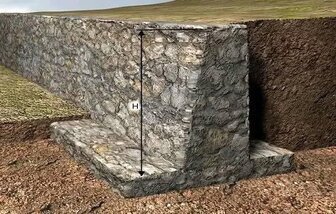
Types of Retaining Walls
This comprehensive guide explores the various types of retaining walls utilized in the UK, including gravity, cantilever, counterfort, sheet piling, anchored, and segmental walls. Learn about the function and advantages of each design, their practical applications in landscaping and civil engineering
Purpose of Retaining Walls?
Discover the importance of retaining walls in landscaping and structural engineering. Learn about different types of retaining walls such as gravity walls, cantilever walls, sheet piling walls, and anchored walls.
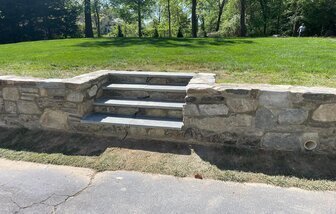
Garden Retaining walls
Garden retaining walls are essential for managing sloped terrains and preventing soil erosion, enhancing both the aesthetics and functionality of outdoor spaces. These walls not only hold back soil but also create distinct planting areas
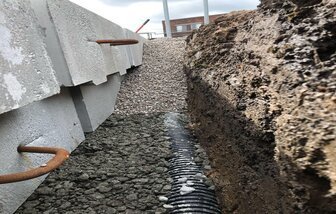
Building Retaining Walls
This comprehensive guide explores the essentials of building retaining walls, covering their significance in preventing soil erosion and enhancing landscapes. Learn about different types of retaining walls, crucial planning requirements, and the materials needed for construction.

Foundation Depths For Retaining Walls
This article delves into the essential aspects of retaining walls, focusing on foundation depth requirements critical for stability and safety. It examines different types of retaining walls—gravity, cantilever, and anchored

How to maintain Retaining Walls
The maintenance of retaining walls is imperative to ensure their longevity and functionality. Over time, factors such as water infiltration, soil settlement, and vegetation growth can compromise wall integrity.
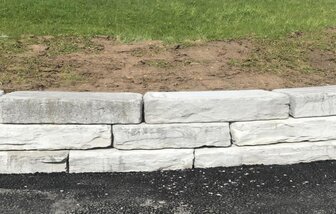
Retaining Wall Building Materials
Explore the essential guide to retaining walls, their significance in landscape stability, and various construction materials. This comprehensive article delves into the different types of retaining walls used in the UK
Ready to start your Project?
Let's Build Together
At Complete Contracting Group, we are committed to understanding your project needs, whether they are small-scale or large-scale developments. To commence your journey with us, simply complete the form provided below. This form allows us to gather essential details about your project, enabling our team to review your requirements thoroughly.
If you prefer a more direct approach, feel free to send your project documents and relevant photographs to projects@completeuk.uk Our team will carefully examine your materials and provide you with a competitive quote, along with an estimated timescale covering the entire project from inception to completion. We look forward to collaborating with you and bringing your project dreams to fruition!