
What is the purpose of a retaining wall
Retaining walls are essential structures for preventing soil erosion and supporting landscapes, especially in the UK’s varied terrain. This comprehensive guide explores the different types of retaining walls, including gravity, cantilever, and anchored walls. It discusses their crucial functions in managing soil stability, enhancing property value, and contributing to effective water runoff management. Additionally, the article highlights challenges faced in retaining wall construction, such as drainage issues and environmental impacts, while emphasizing the importance of proper maintenance and compliance with local regulations. Whether for construction, landscaping, or erosion control, understanding retaining walls is vital for homeowners and professionals planning to develop safe and sustainable outdoor spaces.
Understanding the Purpose of Retaining Walls in the UK
Functions of Retaining Walls
Retaining walls serve several crucial functions, particularly in regions with varying elevations and landscapes. One of the primary purposes of these structures is to control soil erosion.
When water runoff occurs, it can lead to significant soil displacement, especially on slopes. Retaining walls act as barriers, holding the soil in place and preventing erosion.
This is particularly essential in agricultural areas and landscapes where the integrity of the land must be maintained.
Another important function of retaining walls is to manage elevation changes. In many terrains, there are abrupt changes in height, which can present challenges for construction and landscaping.
Retaining walls help create level areas where these height differences exist, allowing for the development of stable, usable land. This is particularly useful in residential landscaping, where flat areas for gardens, patios, or driveways are desired.
Retaining walls can be constructed from various materials, each offering unique advantages. Concrete retaining walls are preferred for their durability and strength, making them ideal for significant elevation changes and heavy loads.
Stone retaining walls, while aesthetically pleasing, provide excellent stability and can blend seamlessly into natural surroundings. Timber retaining walls, though less durable than their concrete and stone counterparts, are often chosen for their cost-effectiveness and ease of installation, making them suitable for smaller projects.
In summary, retaining walls play a vital role in managing soil stability, controlling erosion, and enhancing available land space. The choice of material—whether concrete, stone, or timber—depends on specific project requirements, durability, and aesthetic considerations, ensuring the function of the wall aligns with the landscape needs.
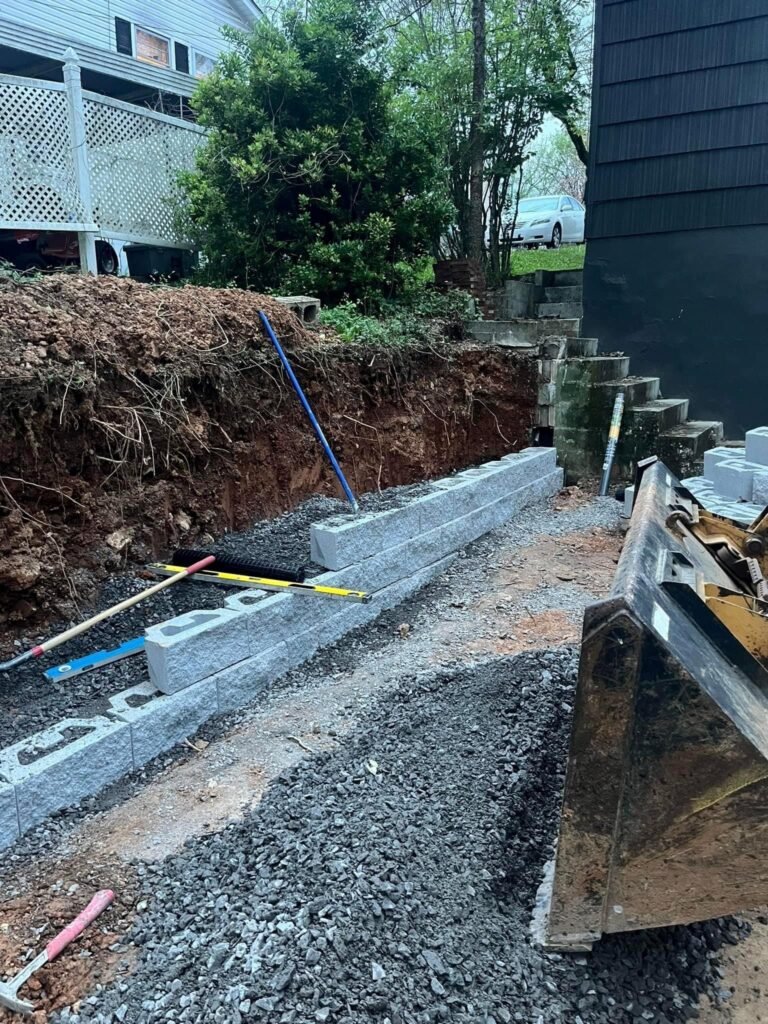
Types of Retaining Walls
Retaining walls are crucial structures used in various applications within the UK, particularly for managing soil retention in areas with changing elevations. There are several types of retaining walls, each designed to address specific needs and conditions.
One common type is the gravity wall, which relies on its own weight to resist the lateral pressure exerted by soil. Typically constructed from stone, concrete, or masonry, gravity walls are favored for their simplicity and durability. They are most effective in low to moderate heights where soil stability is a concern.
Another prevalent type is the cantilever wall, which comprises a thin stem supported by a base slab. This design allows the wall to utilize leverage to counteract soil forces effectively. Cantilever walls are particularly advantageous when higher walls are required and are often seen in residential developments and public infrastructure projects.
Anchored walls offer another innovative solution, employing cables or rods anchored into the soil behind the wall. These walls provide additional stability and are often used in situations where space is limited and earth pressures are significant. This type is particularly useful in urban settings or along roads where the available area is constrained.
Lastly, sheet pile walls are constructed using interlocking steel sheets driven into the ground to function as a barrier against soil and water. This type is commonly employed in coastal or waterfront construction, where the need for water resistance is paramount. Sheet pile walls are efficient and can be installed in less space, making them ideal for various applications.
Each retaining wall type has its unique applications, advantages, and constraints, tailored to meet the diverse landscape and environmental challenges found across the UK.
Applications of Retaining Walls in Landscaping
Retaining walls serve multiple purposes in landscaping projects across the UK, contributing both to aesthetic appeal and functional design. One of the primary applications is in the creation of terraced gardens, particularly in hilly or uneven terrains.
By utilizing retaining walls, landscapers can effectively create level areas for planting, allowing for a diverse range of flora that may not thrive on a slope. These terraces not only enhance the visual aspect of gardens but also assist in managing water runoff and soil erosion.
Furthermore, retaining walls can delineate different zones within a garden, promoting organized green spaces. A well-constructed retaining wall can provide structural integrity to the landscape while supporting various garden design elements.
For instance, retaining walls can serve as backdrops for flower beds or as seating arrangements in outdoor areas, creating inviting gathering spots. An example of this can be seen in the renowned gardens at Wisley in Surrey, where expertly crafted retaining walls guide visitors through picturesque pathways and vibrant plant displays.
Additionally, retaining walls can be used to construct functional spaces, such as raised beds for vegetable gardening. The height created by these walls minimizes bending and enhances accessibility, making it easier for gardeners to tend to their plants.
Numerous residential gardens across the UK utilize raised planters formed by retaining walls, which expand gardening areas in smaller plots. This innovative approach not only improves overall garden productivity but also integrates seamlessly with the landscape design.
In summary, the applications of retaining walls in landscaping extend beyond mere support structures. They enhance garden aesthetics, promote effective water management, and create functional outdoor spaces, all while reflecting the diverse landscape beauty of the UK.
Retaining Walls in Construction Projects
Retaining walls are essential structures in both commercial and residential construction projects, serving the primary function of supporting soil and preventing erosion or landslides.
These walls act as barriers that retain soil, allowing for the creation of level surfaces in areas with varied elevations. In residential developments, retaining walls facilitate the formation of usable outdoor spaces, such as gardens or patios, while in commercial constructions, they help shape the landscape around buildings, ensuring both aesthetics and functionality.
The design and planning of retaining walls are crucial to their effectiveness and longevity. Engineers must consider factors such as soil type, drainage, wall materials, and the intended use of the property when constructing these barriers. Failing to take these elements into account can lead to structural failures, which can be hazardous and costly.
For instance, inadequate drainage can cause water to accumulate behind the wall, exerting pressure that may result in collapse. Proper engineering practices not only enhance structural integrity but also increase the durability of retaining walls, ensuring that they can withstand environmental pressures over time.
Moreover, retaining walls in construction projects often require compliance with local regulations and codes. These guidelines ensure that the walls are built to withstand specific loads and conditions based on the geographical region and environmental factors. Thus, working with skilled professionals is imperative, as their expertise can help navigate compliance and engineering challenges effectively.
In conclusion, retaining walls play a vital role in construction projects by providing stability, preventing erosion, and enhancing the functional usability of land. Their significance cannot be overstated, as thoughtful design and engineering are critical for ensuring safety and longevity in both commercial and residential developments.
Regulatory and Environmental Considerations
In the United Kingdom, the construction and maintenance of retaining walls are subject to a variety of regulatory requirements and environmental considerations that ensure safety, sustainability, and compliance with local planning regulations. Integral to this process is the necessity for obtaining planning permission, particularly when the wall exceeds a specific height or is located in a sensitive area, such as near a watercourse or within a conservation zone.
Before commencing construction, builders must consult local authorities to determine whether an application for planning permission is necessary. This process typically involves submitting detailed drawings and engineering assessments that demonstrate the wall’s stability and environmental impact.
Factors such as the wall’s design, materials used, and erosion control measures are critically evaluated. Planning authorities may also require environmental impact assessments if the construction might affect local ecosystems or biodiversity.
Sustainability practices are equally crucial in the context of retaining wall construction. Nowadays, there is a growing emphasis on using environmentally friendly materials and methods, such as recycled aggregates or green building techniques, which minimize the ecological footprint of the project.
Furthermore, the incorporation of vegetation on retaining walls can enhance local flora and manage rainwater runoff effectively, thereby promoting biodiversity and reducing the risks associated with stormwater.
Maintenance guidelines are another vital component of retaining wall management that should not be overlooked. Regular inspection and prompt maintenance ensure that the structure remains stable and functional throughout its lifespan.
UK regulations often stipulate that property owners must be proactive in checking for signs of displacement, erosion, or vegetation overgrowth that might compromise the wall’s integrity. Following these guidelines not only secures compliance with legal obligations but also reinforces environmental stewardship in the construction industry.
Challenges with Retaining Walls
Retaining walls play a crucial role in managing soil erosion and providing structural support in various landscapes. However, they are not without their challenges.
One prevalent issue is drainage. Improper drainage can lead to water accumulation behind the wall, increasing hydrostatic pressure, which may cause the wall to bow or fail over time. To mitigate these risks, it is essential to incorporate adequate drainage systems, such as weep holes or gravel backfill, to facilitate water flow and reduce pressure behind the wall.
Another critical challenge relates to soil pressure. As soils become saturated with water, their weight increases significantly. This added pressure can strain retaining walls, especially if they are not designed to withstand such forces.
Engineers must consider the type of soil, its properties, and local conditions during the design phase. Regular monitoring and maintenance can also help identify early signs of soil erosion or wall movement, allowing for timely interventions.
Weather-related concerns further compound the complexities of retaining wall management. Extreme weather events—such as heavy rainfall, drought, or freeze-thaw cycles—can adversely affect the stability and integrity of the wall. In regions prone to such conditions, it is advisable to use materials and construction techniques that can accommodate these environmental stresses.
For instance, reinforced concrete, treated timber, or stone can be effective in enhancing durability against harsh weather.
In summary, while retaining walls serve essential purposes in landscaping and property management, they face significant challenges regarding drainage, soil pressure, and weather-related impacts. A proactive approach that includes proper design, drainage solutions, and maintenance can help manage these concerns effectively.
Maintenance and Lifespan of Retaining Walls
Maintaining retaining walls is essential for ensuring their longevity and effectiveness in managing soil and water. Regular inspection is a critical component of maintenance. Property owners should conduct visual inspections at least twice a year, particularly after heavy rainfall or extreme weather events.
During these inspections, it is important to check for signs of distress, such as cracks, bulging, or displacement of the wall structure. Additionally, it’s beneficial to assess the drainage systems associated with the wall, ensuring they are functioning properly and not blocked, as water accumulation can lead to structural failure.
When maintenance issues are identified, prompt repair methods should be employed to prevent further deterioration. Minor cracks can often be sealed using polymer-modified mortars or similar repair materials that bond with the existing wall structure.
For more extensive damage, it may be necessary to consult with a professional engineer to determine the best course of action. Techniques such as underpinning or reinforcing the wall may be implemented depending on the severity of the damage.
The expected lifespan of retaining walls can vary significantly based on the materials used, construction quality, and environmental factors. For instance, concrete walls can last between 50 to 100 years when properly maintained, while timber retaining walls may have a shorter lifespan of around 20 to 30 years due to susceptibility to rot and pests.
Natural stone walls exhibit impressive durability, often lasting for generations if constructed correctly. Therefore, understanding the specific requirements for maintenance and the expected lifespan of a retaining wall type can assist in making informed decisions regarding repairs and replacements.
Conclusion and Future Directions
In summary, retaining walls serve a critical purpose in the management of soil and water, addressing various challenges related to landscaping, erosion, and structural integrity. The key considerations in their design include the wall’s role in stabilizing slopes, controlling drainage, and accommodating load pressures from the surrounding environment.
As urban areas in the UK continue to expand, the demand for effective retaining wall solutions becomes increasingly essential to mitigate the impacts of development on land stability.
Looking towards future directions, the design and implementation of retaining walls must evolve in response to growing environmental concerns and the challenges posed by urbanization. Innovations in materials and construction techniques are likely to play a significant role in enhancing the sustainability and effectiveness of these structures.
For instance, the use of recycled materials and eco-friendly designs could become more prominent, aligning with broader environmental objectives while ensuring stability and longevity.
Moreover, integrating advanced technologies such as geotechnical sensors and monitoring systems can significantly improve the performance assessment of retaining walls. This real-time monitoring allows for timely interventions and preventive measures, further ensuring safety and structural resilience.
Animation and virtual simulations may soon aid in visualizing potential design outcomes and site challenges, enabling engineers to make more informed decisions.
Ultimately, as the UK faces ongoing challenges related to climate change and urban development pressures, the role of retaining walls will become increasingly vital. By embracing innovative solutions and sustainable practices, the future of retaining wall design can not only meet functional demands but also harmonize with the environment, enhancing the overall integrity of built spaces.
What is a Retaining Wall?
Discover the essential aspects of retaining walls in landscape architecture. This comprehensive guide covers the types of retaining walls, materials used, and key design considerations. Learn about the construction process, regulations, and maintenance tips to ensure stability and longevity.
Types of Retaining Walls
This comprehensive guide explores the various types of retaining walls utilized in the UK, including gravity, cantilever, counterfort, sheet piling, anchored, and segmental walls. Learn about the function and advantages of each design, their practical applications in landscaping and civil engineering
Purpose of Retaining Walls?
Discover the importance of retaining walls in landscaping and structural engineering. Learn about different types of retaining walls such as gravity walls, cantilever walls, sheet piling walls, and anchored walls.
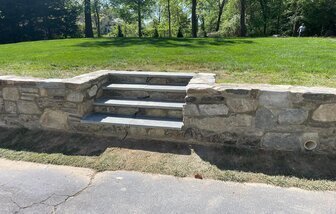
Garden Retaining walls
Garden retaining walls are essential for managing sloped terrains and preventing soil erosion, enhancing both the aesthetics and functionality of outdoor spaces. These walls not only hold back soil but also create distinct planting areas
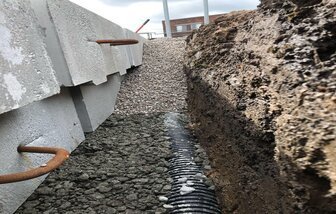
Building Retaining Walls
This comprehensive guide explores the essentials of building retaining walls, covering their significance in preventing soil erosion and enhancing landscapes. Learn about different types of retaining walls, crucial planning requirements, and the materials needed for construction.
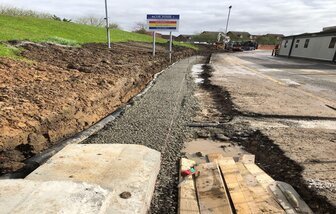
Foundation Depths For Retaining Walls
This article delves into the essential aspects of retaining walls, focusing on foundation depth requirements critical for stability and safety. It examines different types of retaining walls—gravity, cantilever, and anchored
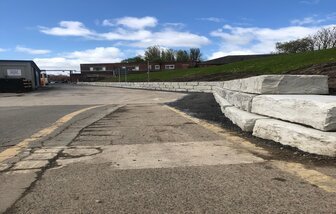
How to maintain Retaining Walls
The maintenance of retaining walls is imperative to ensure their longevity and functionality. Over time, factors such as water infiltration, soil settlement, and vegetation growth can compromise wall integrity.
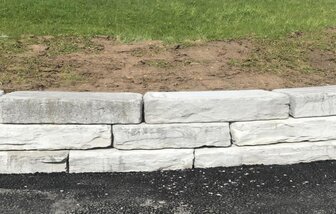
Retaining Wall Building Materials
Explore the essential guide to retaining walls, their significance in landscape stability, and various construction materials. This comprehensive article delves into the different types of retaining walls used in the UK
Ready to start your Project?
Let's Build Together
At Complete Contracting Group, we are committed to understanding your project needs, whether they are small-scale or large-scale developments. To commence your journey with us, simply complete the form provided below. This form allows us to gather essential details about your project, enabling our team to review your requirements thoroughly.
If you prefer a more direct approach, feel free to send your project documents and relevant photographs to projects@completeuk.uk Our team will carefully examine your materials and provide you with a competitive quote, along with an estimated timescale covering the entire project from inception to completion. We look forward to collaborating with you and bringing your project dreams to fruition!