
What is a Retaining Wall?
Explore the significance of retaining walls in landscape architecture, particularly in the UK. Learn how these critical structures manage soil erosion, enhance aesthetic appeal, and provide stability in sloped terrains. This comprehensive guide offers an overview of the historical evolution of retaining walls, their various types such as gravity, cantilever, and anchored walls, and the innovative materials used in modern construction. Discover how retaining walls not only prevent soil displacement but also contribute to sustainable landscape practices and biodiversity. Case studies highlight successful implementations, showcasing the harmony between functionality and design that retaining walls bring to both urban and rural settings. Dive into the transformative role of retaining walls in enhancing outdoor spaces and supporting ecological balance.
Understanding Retaining Walls: The Backbone of Landscape Architecture in the UK
Introduction to Retaining Walls
Retaining walls are structural elements designed to restrain soil to unnatural slopes. They are critically important in landscape architecture, especially in the UK, where varied topography presents unique challenges.
The primary purpose of retaining walls is to hold back soil in areas where terrain is sloped or uneven. By doing so, they play a vital role in preventing soil erosion, especially during heavy rainfall or flooding scenarios.
These structures are engineered to counteract the lateral pressure from soil behind them. The effectiveness of a retaining wall lies in its ability to create level surfaces for gardens, patios, or paths in sloped areas, transforming what could otherwise be unusable land into functional outdoor spaces.
Retaining walls can vary greatly in construction materials, design, and size; options include concrete, stone, and timber, each serving different aesthetic and structural purposes.
In addition to their primary function of soil retention, retaining walls can serve other purposes such as enhancing the visual appeal of a landscape, providing seating, or integrating amenities like planters or lighting.
Consequently, the design of a retaining wall often takes into account both its functional and aesthetic roles, making it a multifaceted element of landscape architecture.
In summary, retaining walls are essential components in landscape architecture, crucial for managing sloping land, preventing soil erosion, and optimizing land usage in various terrains within the UK. They not only provide stability but also contribute significantly to the beauty and functionality of outdoor spaces.
Historical Overview and Evolution of Retaining Walls
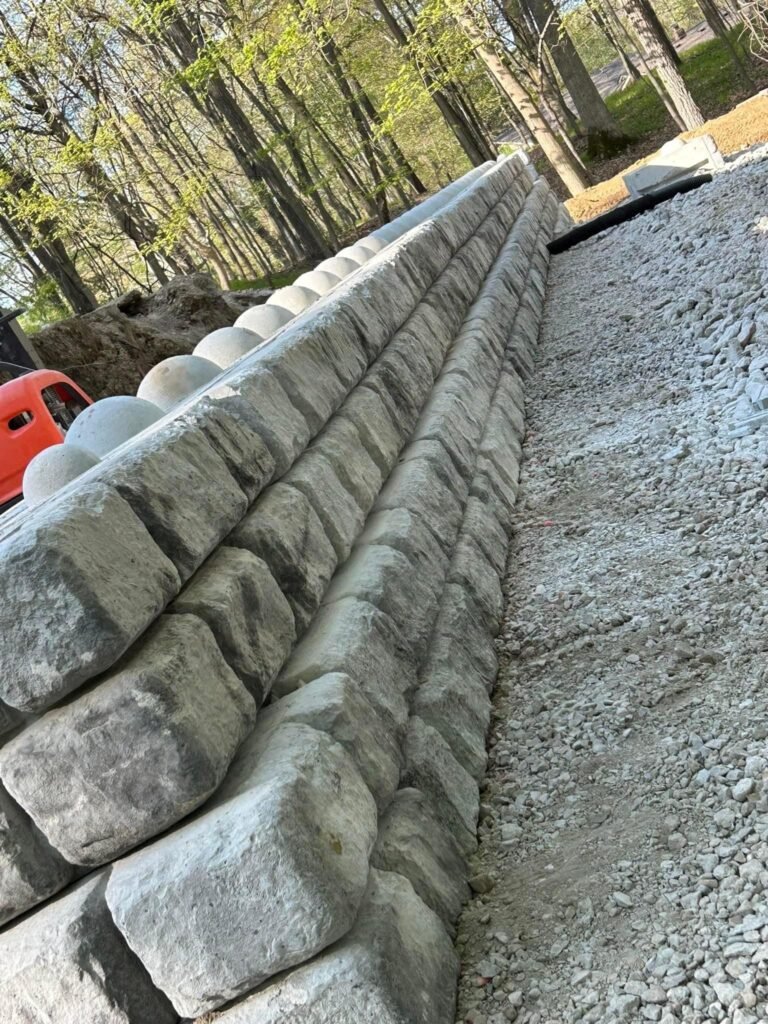
Retaining walls have played a crucial role in landscape architecture throughout history, serving as vital structures for managing earth and water in various civilizations. The earliest examples can be traced back to ancient cultures, notably the Romans, who expertly engineered retaining walls to support their monumental constructions, such as aqueducts and terraces. These walls were primarily constructed from materials like stone and brick, demonstrating both durability and aesthetic appeal.
The Romans, known for their advancements in engineering, utilized a variety of techniques, including arches and buttressing, to enhance the stability of these structures. This early mastery laid the groundwork for future developments, highlighting a blend of functionality and design that remains relevant in modern landscape architecture.
As time progressed, the materials and engineering methods employed for constructing retaining walls evolved significantly. During the Middle Ages, timber became a popular choice for smaller walls, particularly in regions where stone was less accessible. This shift reflected not just the availability of resources but also the changing architectural style driven by the era’s aesthetic preferences.
With the onset of the Industrial Revolution, the advent of concrete revolutionized the design of retaining walls. This material offered improved strength and versatility, allowing for the construction of taller and more elaborate structures. Engineers began implementing reinforced concrete techniques, leading to the innovative designs that characterize contemporary retaining walls. Modern retaining walls, often enhanced by landscaping and drainage solutions, effectively cater to both urban development and natural landscapes.
The history of retaining walls is thus a testament to human ingenuity in landscape architecture. From ancient Rome to contemporary settings, the evolution of these structures demonstrates the harmonious blend of engineering prowess and artistic expression, forming essential components in the management and enhancement of landscapes across the UK.
Types of Retaining Walls
Retaining walls serve an essential purpose in landscape architecture, particularly in managing soil erosion and creating level surfaces. Various types of retaining walls are designed to accommodate specific needs and conditions in the landscape. Understanding these types is crucial for making informed decisions in construction.
Gravity walls utilize their weight to resist lateral pressure from soil and are typically constructed using heavy materials such as concrete or stone. This type of wall is often advantageous for low to moderate height installations. Its design and simplicity embrace functionality, making it a popular choice in various landscape applications.
Cantilever walls, on the other hand, rely on leverage to provide stability. These walls consist of a slender stem attached to a base slab, allowing the structure to extend back into the retained soil. By utilizing this design, a cantilever wall can support taller heights with less material compared to gravity walls. The cantilever design is especially suitable for situations requiring additional support, providing a balance between functionality and aesthetic appeal.
Finally, anchored walls incorporate tensioned cables or rods anchored deep within the ground to stabilize the structure. This design is particularly effective for taller walls or when space is limited. The ability to use lighter materials while achieving maximum height is a defining characteristic of anchored walls, making them a flexible choice for diverse landscapes where traditional options may be constrained.
Each retaining wall type offers unique characteristics traversing various landscape requirements. Selection should be influenced by factors such as site conditions, height of the wall, and specific aesthetic values. Understanding these options will pave the way for efficient landscape architecture, ensuring longevity and functionality in retaining structures.
Materials Used in Constructing Retaining Walls
Retaining walls play a crucial role in landscape architecture, especially in hilly or uneven terrains. The selection of materials for constructing these structures significantly influences their durability, strength, and visual appeal. Traditionally, stone and brick have been favored for their aesthetic qualities and robust nature. Stone retaining walls invoke a natural look, blending seamlessly with the landscape, while brick offers versatility in design and color.
In modern construction, concrete blocks have emerged as a popular option, primarily due to their strength and ease of installation. Precast concrete panels are also utilized, providing a quick and efficient method of building retaining walls without compromising durability. These materials can withstand various environmental factors, making them a reliable choice for many landscape architects. Moreover, concrete’s adaptability allows for customization in design, enabling professionals to create visually appealing structures that serve their functional purpose.
Another noteworthy material in contemporary retaining wall design is geosynthetics. These synthetic materials enhance the wall’s performance by providing additional support and stability to the soil behind it. Geogrids and geotextiles, for instance, are often employed to reinforce structures, ensuring they remain intact under pressure from shifting earth. The use of geosynthetics in combination with traditional materials can lead to enhanced wall features, such as drainage solutions and reduced erosion risk.
Ultimately, the choice of materials for constructing retaining walls should align with the specific requirements of the site. Factors such as soil type, water drainage, and design preferences all play a significant role. Therefore, a thorough understanding of the properties of each material is essential for creating effective and aesthetically pleasing retaining walls. By selecting the right combination of materials, landscape architects can ensure longevity and performance for these vital structures.
The Importance of Retaining Walls in Preventing Soil Erosion
Retaining walls serve a fundamental purpose in landscape architecture, particularly in the UK, where varied topography can lead to significant soil erosion challenges. The primary function of these walls is to provide stability to sloped land, effectively preventing soil displacement that can occur due to factors such as water runoff, gravity, and vegetation growth. By acting as structural supports, retaining walls are indispensable in maintaining the integrity of sloped terrains.
One of the key benefits of retaining walls is their ability to manage surface water runoff. In the absence of retaining walls, rainwater can accelerate the erosion process, washing away valuable topsoil and altering the natural landscape. By holding back soil and controlling water flow, these walls help ensure that moisture is evenly distributed across the landscape, fostering a healthier ecosystem. This water management is critical for sustaining the biodiversity of plants and animals that depend on stable soil for their habitat.
Moreover, retaining walls contribute to sustainable landscape practices. When designed and constructed correctly, they not only serve a functional purpose but also enhance the aesthetic appeal of the surrounding area. Landscape architects can employ various materials and designs to create visually pleasing structures that integrate seamlessly into the environment. This symbiosis of function and design underscores the importance of retaining walls in modern landscape architecture.
In essence, retaining walls play a vital role in soil conservation by stabilizing slopes and managing water runoff. Their importance extends beyond mere functionality; they are crucial components in preserving the ecological balance of an area and supporting biodiversity. This makes them essential elements in the pursuit of sustainable landscape architecture in the UK.
Enhancing Aesthetic Appeal with Retaining Walls
Retaining walls serve a dual purpose in landscape architecture, acting as both functional structures and integral elements of design. By providing essential support to sloped terrains, they also contribute significantly to the aesthetic appeal of outdoor spaces. In the context of gardens, patios, and driveways, retaining walls can enhance visual interest while ensuring stability and erosion control.
One of the noteworthy trends in landscape design is the seamless integration of retaining walls into the overall garden layout. These walls can be constructed from a variety of materials, including natural stone, brick, or concrete, each offering distinctive textures and colors that complement the surrounding environment. For instance, a dry-stone wall can evoke a rustic charm, effectively blending with a countryside setting, while sleek, modern concrete walls may enhance a contemporary garden design.
Incorporating retaining walls into patios creates tiered outdoor living spaces that cater to different activities. By designing levels within a garden, homeowners can delineate areas for dining, lounging, and planting. This stratification not only improves functionality but also adds an artistic dimension, transforming a mundane backyard into a visually striking retreat. Moreover, the top surfaces of these walls can be used as seating or display areas for decorative elements, further amplifying their aesthetic contribution.
Driveways can also benefit from the use of retaining walls, particularly in properties with sloped landscapes. By defining the boundaries of the driveway, retaining walls can create a more structured and appealing entryway. Incorporating landscaping features such as lighting or flowering plants along the wall can enhance its beauty, ensuring that the transition from road to home is both inviting and elegant.
Overall, retaining walls are pivotal in enhancing the aesthetic quality of outdoor areas, reflecting a blend of practicality and sophistication that is characteristic of modern landscape architecture in the UK.
Contemporary Retaining Wall Solutions
The evolution of retaining wall solutions in landscape architecture today reflects significant advancements in technology and construction methods, ensuring enhanced stability, functionality, and a reduced environmental footprint. Modern retaining walls are no longer just utilitarian structures; they have evolved into essential landscape components that harmonize with natural surroundings while providing necessary support.
One notable advancement is the use of modular block systems. These systems allow for quicker assembly and greater flexibility in design, accommodating various site conditions and aesthetics. Each block interlocks seamlessly, providing excellent structural integrity without the need for extensive foundations. Furthermore, these systems are often produced from recycled materials, addressing sustainability concerns in construction.
Another innovative solution is the employment of geosynthetic materials. These synthetic products, including geogrids and geotextiles, are increasingly used to reinforce soil and improve drainage behind retaining walls. By facilitating drainage, fewer hydrostatic pressures can act against the wall, thereby enhancing its overall stability and longevity. The integration of these materials not only optimizes performance but also supports the surrounding environment by minimizing erosion and promoting soil health.
Additionally, advancements in engineering and computer modeling have enabled more effective design approaches. Engineers can now simulate various scenarios and weight distributions to ensure that retaining walls can withstand potential forces, such as those exerted by soil and water. This data-driven approach significantly contributes to the durability and reliability of retaining wall structures.
As a result of these contemporary innovations, retaining walls today are more than just functional barriers; they serve as integral elements in landscape architecture, contributing to aesthetics, environmental sustainability, and community resilience. With ongoing technological advancements, the field continues to evolve, promising even more environmentally conscious and durable solutions in the future.
Case Studies of Effective Retaining Wall Implementation
Retaining walls are pivotal in the landscape architecture realm, particularly in challenging terrains across the UK. Several landmark projects showcase the successful implementation of retaining walls, addressing both aesthetic and functional needs while overcoming site-specific challenges. One notable project is the revitalization of the Bristol Harbour area, where an extensive system of retaining walls was necessary to stabilize the waterfront.
The primary challenge was to integrate these walls into a historic environment while ensuring that soil preservation was prioritized. Engineers developed a modular concrete wall system with embedded drainage channels, effectively managing water influx while maintaining the structural integrity of the surrounding banks.
In another case, the construction of retaining walls within the Dartmoor National Park was essential for preventing soil erosion and ensuring the stability of hiking trails. Here, the project faced environmental scrutiny as the area is known for its rich biodiversity. The solution involved using locally sourced stone, which not only blended seamlessly with the natural surroundings but also reduced the carbon footprint associated with transportation. These retaining walls utilized a stepped design, which allowed for natural vegetation growth, enhancing both ecological balance and visual appeal.
Additionally, the implementation of green retaining walls in urban settings, such as in London’s Thames Path, illustrated the capacity of such structures to promote sustainable landscape architecture. These walls, designed with planters integrated into their design, supported vegetation growth, thereby improving air quality and providing habitats for urban wildlife. The primary challenge here involved ensuring structural support while allowing for sufficient soil depth for plant roots. Engineers applied innovative soil retention techniques and lightweight materials to achieve the desired outcome without compromising functionality.
Through these case studies, it is evident that effective retaining walls serve a vital role in soil preservation and enhancing landscape design. Each project not only addresses immediate structural needs but also contributes to the broader environmental objectives, demonstrating the integral role of retaining walls in modern landscape architecture.
Conclusion: The Indispensable Purpose of Retaining Walls
Retaining walls hold an essential position within the realm of landscape architecture, serving as critical structures that support and enhance the integrity of both natural and urban environments. As highlighted throughout this post, these walls are not merely functional; they are instrumental in preventing soil erosion, managing water runoff, and creating visual interest within a landscape.
In the context of natural landscapes, retaining walls play a pivotal role in shaping topographies, allowing for the creation of terraces and multi-level gardens. This functionality not only promotes aesthetic beauty but also assists in the conservation of soil and vegetation. The strategic use of materials and design can result in walls that blend seamlessly into their surroundings, reaffirming their significance in ecological stability.
In urban settings, retaining walls are equally vital. They provide essential support for structures, manage structural loads, and facilitate the use of land in sloped areas, ultimately contributing to urban planning and design efficiency. The ability of retaining walls to provide support while complementing the overall landscape design reinforces their status as indispensable elements in civil engineering and architecture.
Furthermore, the appreciation for retaining walls goes beyond their visual and functional attributes; their contribution to sustainability and environmental conservation should not be overlooked. Understanding the multifaceted roles that retaining walls play can empower landscape architects and designers to make informed decisions that prioritize both form and function.
Ultimately, as we delve deeper into the intricacies of retaining walls, it becomes evident that these structures are more than just functional barriers; they are integral to fostering harmonious interactions between human-made environments and the natural world, making them vital to effective landscape architecture in the UK.
What is a Retaining Wall?
Discover the essential aspects of retaining walls in landscape architecture. This comprehensive guide covers the types of retaining walls, materials used, and key design considerations. Learn about the construction process, regulations, and maintenance tips to ensure stability and longevity.
Types of Retaining Walls
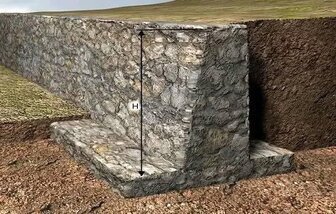
This comprehensive guide explores the various types of retaining walls utilized in the UK, including gravity, cantilever, counterfort, sheet piling, anchored, and segmental walls. Learn about the function and advantages of each design, their practical applications in landscaping and civil engineering
Purpose of Retaining Walls?
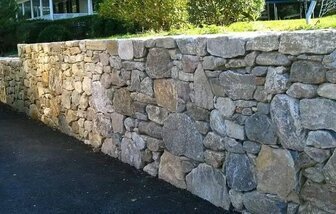
Discover the importance of retaining walls in landscaping and structural engineering. Learn about different types of retaining walls such as gravity walls, cantilever walls, sheet piling walls, and anchored walls.
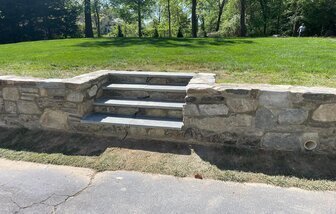
Garden Retaining walls
Garden retaining walls are essential for managing sloped terrains and preventing soil erosion, enhancing both the aesthetics and functionality of outdoor spaces. These walls not only hold back soil but also create distinct planting areas
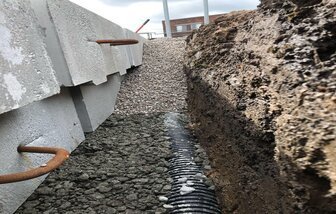
Building Retaining Walls
This comprehensive guide explores the essentials of building retaining walls, covering their significance in preventing soil erosion and enhancing landscapes. Learn about different types of retaining walls, crucial planning requirements, and the materials needed for construction.
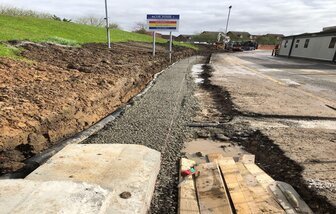
Foundation Depths For Retaining Walls
This article delves into the essential aspects of retaining walls, focusing on foundation depth requirements critical for stability and safety. It examines different types of retaining walls—gravity, cantilever, and anchored
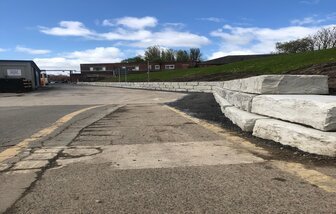
How to maintain Retaining Walls
The maintenance of retaining walls is imperative to ensure their longevity and functionality. Over time, factors such as water infiltration, soil settlement, and vegetation growth can compromise wall integrity.
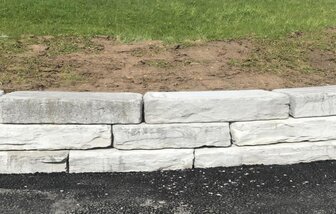
Retaining Wall Building Materials
Explore the essential guide to retaining walls, their significance in landscape stability, and various construction materials. This comprehensive article delves into the different types of retaining walls used in the UK
Ready to start your Project?
Let's Build Together
At Complete Contracting Group, we are committed to understanding your project needs, whether they are small-scale or large-scale developments. To commence your journey with us, simply complete the form provided below. This form allows us to gather essential details about your project, enabling our team to review your requirements thoroughly.
If you prefer a more direct approach, feel free to send your project documents and relevant photographs to projects@completeuk.uk Our team will carefully examine your materials and provide you with a competitive quote, along with an estimated timescale covering the entire project from inception to completion. We look forward to collaborating with you and bringing your project dreams to fruition!